Private Label Mineral Water Manufacturer in India: The Complete Guide for Hotels, Corporates & Retail Brands
If you run a hotel, a corporate office, a gym chain, an airline, or a retail brand and you’re tired of serving generic bottled water with someone else’s logo on it, you’re already asking the right question: who is the best private label water manufacturer in India for a brand your size, in your city, without a six-month wait? This guide answers that question in full — what private label water actually is, how the manufacturing process works, which packaging format fits your use case, which certifications actually matter, and why a pan-India manufacturer beats a regional bottler every time it counts.
Direct answer: A private label mineral water manufacturer in India sources, purifies, and bottles natural mineral or alkaline water under a client’s own brand name and label instead of its own. The manufacturer handles sourcing, quality testing, bottling, labeling, and logistics; the client brings only its brand identity and artwork. The buyer owns the brand; the manufacturer owns the production, compliance, and supply chain.
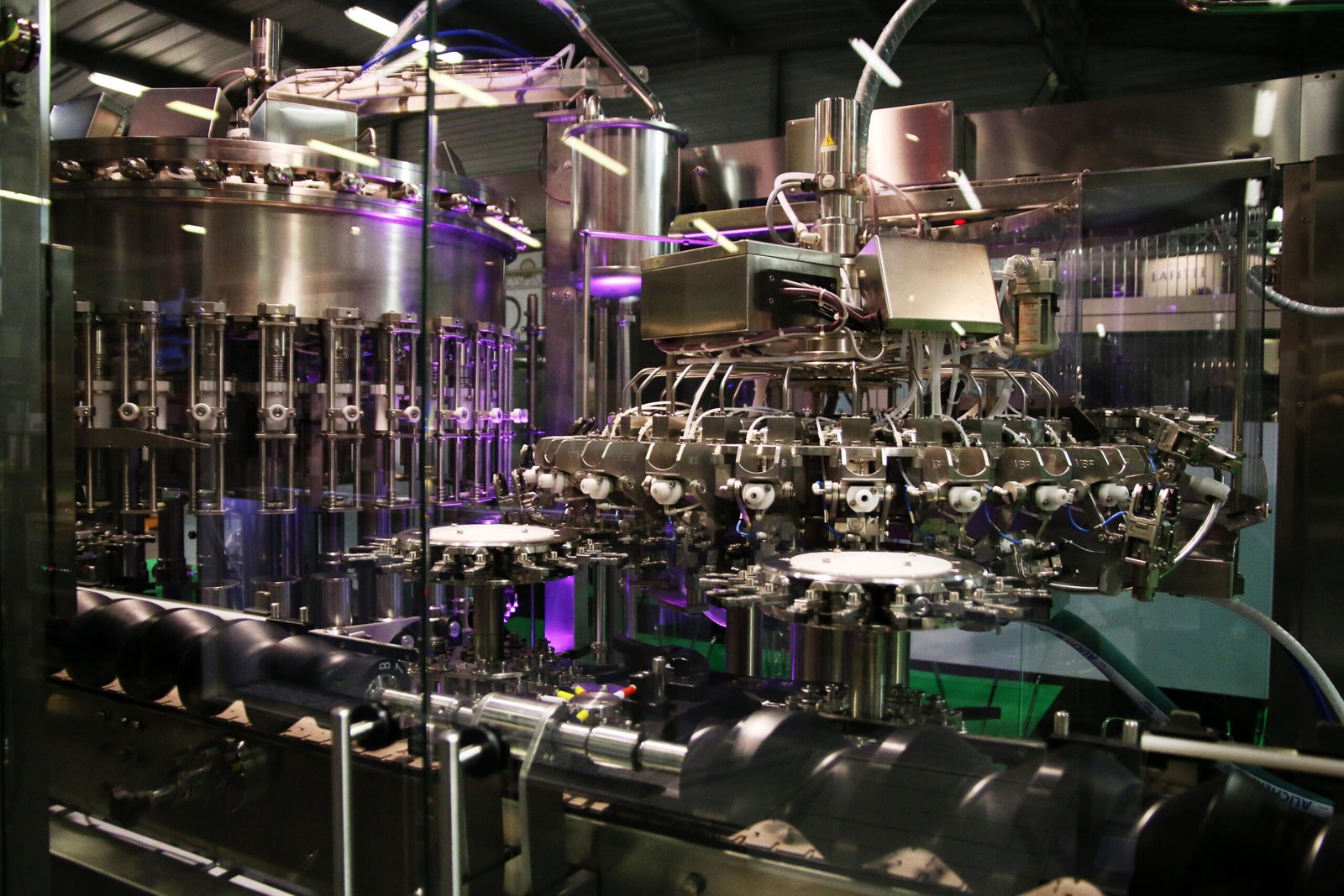
What Is Private Label Mineral Water, Exactly?
Private label mineral water is packaged drinking water — mineral, alkaline, or purified — manufactured by a third-party bottler and sold under the logo, brand name, and packaging design of the company that ordered it. The hotel, gym, airline, or retailer never touches the water itself; they only approve the label, the bottle format, and the volume. Everything from aquifer sourcing to filling, capping, labeling, and palletizing for delivery is handled by the manufacturer.
This is different from a few adjacent terms buyers often confuse:
- Private label — your brand exclusively, on a supplier’s existing product line or a customized formulation.
- White label — a near-identical concept, usually referring to a generic, unbranded base product simply relabeled for multiple clients. private label vs. white label water bottles
- OEM (Original Equipment Manufacturer) — the industrial/procurement term for the same arrangement, often used by larger corporate buyers and export-focused brands.
For a hotel or corporate buyer, the practical difference rarely matters — what matters is finding a manufacturer who can guarantee source quality, consistent taste and mineral profile, and reliable delivery at your required volume.
How the Private Label Water Manufacturing Process Actually Works
A credible private label manufacturer follows a defined, auditable process — not an ad hoc bottling job. Here is what actually happens between your inquiry and your first pallet of branded water:
- Source selection and water testing. The manufacturer identifies a natural aquifer or spring source — in Muscular Monk’s case, pressurised Himalayan aquifers — and lab-tests it for mineral content (TDS), pH, and contaminant-free status before any bottling begins.
- Formulation and spec confirmation. The buyer is shown the water’s natural specifications — for example, pH 8+ alkaline, natural TDS 220–280 ppm, and alkalinity 141–155 mg/L — so there are no surprises about taste or mineral character once the product reaches end customers.
- Packaging format selection. The buyer chooses format and size — can, PET, glass, or PLA, from 200ml to 20L — based on use case (in-room minibar, banquet service, gym vending, corporate pantry, retail shelf).
- Artwork and label design. The buyer supplies or approves label artwork; the manufacturer confirms it meets FSSAI labeling regulations (mandatory declarations, batch codes, manufacturing/expiry dates) before printing.
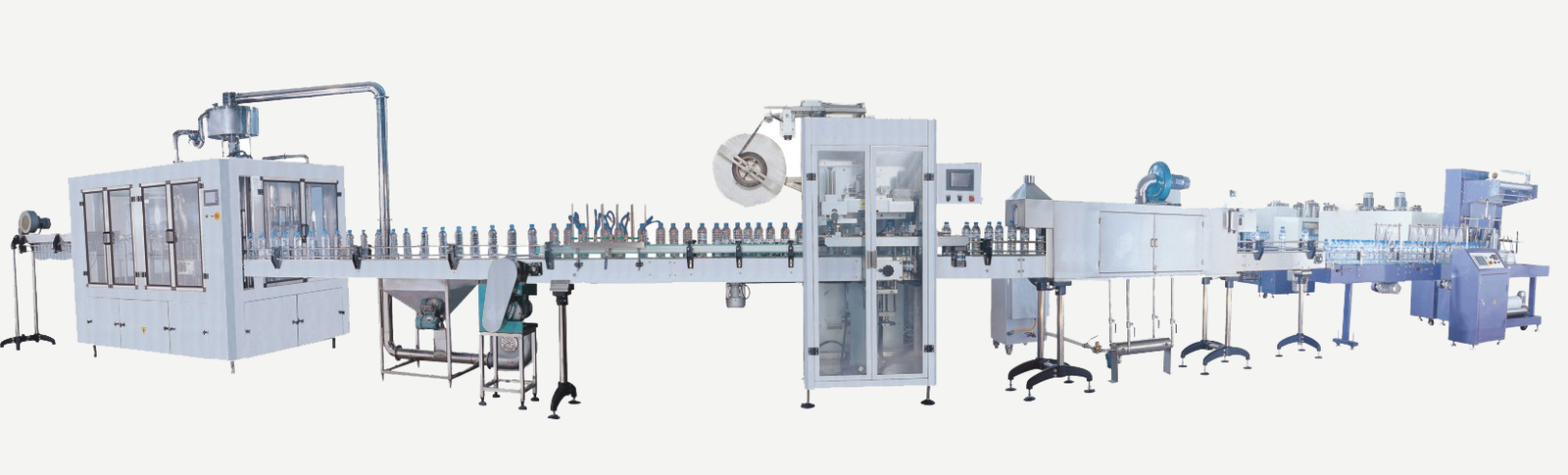
- Bottling and quality control. Water is bottled at source under the manufacturer’s certified quality system, with batch-level testing.
- Logistics and delivery. Finished stock is dispatched to the buyer’s location — for a pan-India manufacturer, this can mean simultaneous delivery to properties in 50+ cities from a single order relationship.
The entire cycle, from confirmed order to first delivery, typically takes days to a few weeks depending on packaging format and order volume — far faster than most buyers expect when they hear “custom manufacturing.”
“500+ brands served. 50+ cities covered. One pan-India private label water partner.” — Muscular Monk’s operating footprint across hotels, corporates, gyms, airlines, and retail chains.
Packaging Formats Compared: Which One Fits Your Brand?
Format choice is a business decision, not just a packaging preference. Each format carries different cost, sustainability, and brand-perception tradeoffs. Here is how the major private label water formats compare:
| Format | Typical Sizes | Best For | Brand Perception | Sustainability Note |
|---|---|---|---|---|
| Aluminum Can | 200ml–330ml | Gyms, airlines, events, premium retail | Modern, premium, Instagrammable | Infinitely recyclable, strong eco-credentials |
| PET Bottle | 200ml–1L (bulk up to 20L cans) | Hotels (rooms/banquets), corporates, retail chains | Familiar, versatile, cost-efficient | Recyclable; rPET options reduce virgin plastic use |
| Glass Bottle | 250ml–750ml | 5-star hotels, fine dining, premium hospitality | Luxury, premium F&B positioning | Reusable/recyclable; heavier freight footprint |
| PLA Bottle | 200ml–500ml | Sustainability-focused corporates & retail brands | Eco-forward, differentiated | Plant-based, compostable under industrial conditions |
| Bulk Can (Office/Institutional) | 20L | Corporate pantries, offices, institutions | Practical, cost-per-litre efficient | Returnable/refillable model reduces waste |
Hotels frequently run two formats simultaneously — glass for restaurant/banquet service, PET for in-room minibars — while corporates and gyms tend to standardize on one format across the 200ml–1L range for cost predictability. [Internal link: link to future post on aluminum can vs PET vs glass vs PLA format comparison guide]
Certifications That Actually Matter — and What Each One Verifies
Certifications are the single fastest way to separate a serious private label manufacturer from a small bottler running on FSSAI registration alone. Here’s what each certification actually verifies, in plain terms:
- ISO 22000 — Verifies a full food safety management system covering the entire supply chain, from source to finished product, not just the factory floor. We explain what each of these four certifications actually verifies.
- ISO 9001 — Verifies consistent quality management processes, meaning batch-to-batch consistency in taste, fill volume, and labeling accuracy.
- US FDA registration — Verifies the facility meets US food-safety standards, relevant if your brand plans to export or serve international travelers/airlines.
- HACCP (Hazard Analysis and Critical Control Points) — Verifies systematic identification and control of physical, chemical, and biological hazards at every production stage.
- FSSAI license — The baseline legal requirement to sell packaged water in India; table stakes, not a differentiator.
- BIS certification — Was mandatory for packaged drinking water; regulatory status has shifted in recent years, so ask any supplier what’s currently required rather than assuming.
A quick vendor checklist worth running before you sign anything:
- ☐ Does the manufacturer disclose actual mineral/TDS/pH test data, or only marketing claims?
- ☐ Do they hold ISO 22000 and ISO 9001, or FSSAI alone?
- ☐ Can they show batch testing records on request?
- ☐ Is their certification stack sufficient if you plan to export or serve international guests?
- ☐ Will they commit certifications and specs in writing in the supply agreement?
For a structured way to run this evaluation, see 8-point vendor checklist for choosing a private label water supplier.
Why Pan-India Sourcing Beats Regional-Only Manufacturers
This is where most buyers make an expensive mistake: they select a private label water manufacturer based on a single good meeting or a nearby factory, without checking whether that manufacturer can actually scale with them. Independent competitive research into India’s private label water market consistently shows a gap: no manufacturer currently combines true pan-India delivery with a full certification stack and a complete packaging-format range — most direct B2B private-label bottlers are confined to a single city or metro region.
Concretely, this white space looks like:
- Several sophisticated B2B private-label competitors operate a strong SEO and service model but fulfill orders only within one metro (Delhi NCR only, or Bangalore only) — a hotel chain or retail brand with locations in 10+ cities cannot use them as a single vendor.
- The large national retail brands (the household names on supermarket shelves) do not offer private-label/OEM services at all — their bottling network exists solely to sell their own brand, not to put your logo on the bottle.
- Regional bottlers with Himalayan or alkaline-water storytelling similar to Muscular Monk’s own positioning are, again, retail-only brands — not vendors a hotel or corporate can commission for their own label.
The practical consequence for a multi-location buyer: fragmenting supply across two or three regional vendors means inconsistent taste, inconsistent labeling compliance, multiple contracts to manage, and multiple quality-control relationships to audit. A single pan-India manufacturer — one covering 50+ cities under one certification stack — removes that fragmentation entirely, giving a hotel group, a retail chain, or a corporate with multiple offices one point of accountability for every location.
Muscular Monk’s Approach: Himalayan Source, Full Format Range, National Reach
Muscular Monk bottles pH 8+ alkaline mineral water at source from pressurised Himalayan aquifers, with a natural TDS of 220–280 ppm and alkalinity of 141–155 mg/L — a mineral profile that doesn’t need artificial adjustment to hit alkaline positioning. On top of that natural water profile, the operation is built specifically around private label service:
- Full format range: aluminum can, PET bottle, glass bottle, and PLA bottle, from 200ml to 20L, so hotels, gyms, airlines, and retail chains can each get the format that fits their use case rather than settling for whatever one format a smaller vendor offers.
- Full certification stack: ISO 22000, ISO 9001, US FDA registration, and HACCP — the combination most direct competitors in India do not hold together.
- Track record: 500+ brands served across 50+ cities, with low minimum order quantities and fast turnaround for buyers who need to move quickly.
If your current supplier can only serve one city, or can’t show you certification documentation beyond FSSAI, it’s worth comparing what a pan-India, fully-certified partner offers before your next order. Request Free Samples to test the water and packaging before committing to volume.
Comparison at a Glance: Regional Bottler vs. Pan-India Private Label Manufacturer
| Factor | Typical Regional Bottler | Pan-India Manufacturer (Muscular Monk) |
|---|---|---|
| Geographic coverage | 1 city or metro region | 50+ cities nationwide |
| Certification stack | FSSAI (sometimes BIS) only | ISO 22000, ISO 9001, US FDA, HACCP |
| Packaging formats | Usually 1 (often PET only) | Can, PET, glass, PLA — 200ml to 20L |
| Water source story | Local groundwater/RO purified | Natural Himalayan aquifer, pH8+ alkaline, bottled at source |
| Multi-location client support | Difficult — needs multiple vendors | Single vendor for all locations |
| Order flexibility (MOQ) | Varies, often rigid | Low MOQ, fast turnaround |
Who Uses Private Label Mineral Water — and How
Private label water isn’t a one-size use case. Different buyer types deploy it differently:
- Hotels — in-room minibar bottles, banquet/event service, restaurant tableside glass bottles, all reinforcing brand presence at every guest touchpoint.
- Corporates — pantry/office 20L cans and desk-side small bottles for meetings, plus branded bottles for corporate gifting and events.
- Gyms and fitness studios — branded cans or small PET bottles sold at the front desk or included in membership packages, reinforcing brand recall during workouts.
- Airlines — small-format bottles for in-flight service where consistent quality and compliance documentation are non-negotiable.
- Retail chains — shelf-ready branded bottles positioned as a private-label SKU alongside national brands, often at better margins.
Whatever your vertical, the underlying decision is the same: pick a manufacturer whose certifications, format range, and delivery footprint match how your brand actually operates — not just how it looks in a single sample order.
Frequently Asked Questions
What is the minimum order quantity for private label water in India?
Minimum order quantities vary by manufacturer and packaging format, but Muscular Monk offers low MOQs specifically so smaller hotels, gyms, and startups can launch a private label water line without committing to warehouse-scale volumes upfront.
How long does it take to launch a private label water brand?
Once artwork and packaging format are confirmed, most private label water orders move from confirmed order to delivery within a few weeks, with faster turnaround possible for reorders using existing label artwork.
What certifications should I check before choosing a private label water manufacturer?
At minimum, verify FSSAI registration; for a manufacturer you can trust at scale, look for ISO 22000 (food safety management), ISO 9001 (quality management), and HACCP (hazard control), with US FDA registration as an added signal if you plan to serve international customers or export.
Can I get private label water delivered across multiple cities from one supplier?
Yes, if the manufacturer has genuine pan-India logistics — this is precisely the gap most regional bottlers can’t fill, since they typically deliver only within one city or metro area, whereas a pan-India manufacturer like Muscular Monk covers 50+ cities under one order relationship.
What’s the difference between mineral water and alkaline water for a private label brand?
Mineral water refers to water containing naturally occurring dissolved minerals (measured as TDS), while alkaline water refers specifically to water with a pH above 7; Muscular Monk’s Himalayan-sourced water is both — naturally alkaline (pH 8+) and naturally mineral-rich (TDS 220–280 ppm) — without artificial additives. what pH 8+ alkaline water is and why it matters for your brand
Getting Started With Your Private Label Water Brand
Choosing the best private label water manufacturer in India comes down to three checks: can they prove their water source and mineral profile with real data, can they show a certification stack beyond the bare legal minimum, and can they actually deliver at the scale and geographic spread your brand needs today and next year. Regional bottlers can often satisfy the first two; pan-India coverage is where most of them fall short.
Muscular Monk combines all three — natural Himalayan-sourced pH8+ alkaline water, a four-certification stack (ISO 22000, ISO 9001, US FDA, HACCP), full packaging-format range, and delivery across 50+ cities, backed by a track record of 500+ brands served.
Start Your Private Label water brand today, or request a free sample kit to evaluate taste, packaging, and label quality before you commit to a full order. For volume pricing, MOQ details, or a specific packaging-format quote, get in touch with our team and we’ll respond with a tailored proposal for your city and vertical.
Leave a Reply