Author: mail.muscularmonk@gmail.com

  • How to Choose the Right Private Label Water Supplier: An 8-Point Vendor Checklist

    How to Choose the Right Private Label Water Supplier: An 8-Point Vendor Checklist


    Woman drinking natural mineral water outdoors with Himalayan mountains in the background

    Start Your Own Water Brand

    Pan-India private label mineral water. Low MOQ, fast turnaround, 4 packaging formats.

    Get Free Consultation


    How to Choose the Right Private Label Water Supplier: An 8-Point Vendor Checklist

    Most private label water disasters do not happen at contract signing — they happen six months in, when a label peels off in a chiller, a batch fails a retail audit, a wedding-season order slips, or a client’s procurement team asks for certification documents the supplier cannot produce. By then, your brand name is already on every bottle. This checklist moves those discoveries to before the first purchase order. It is written for hotel F&B and procurement managers, corporate admin and facilities heads, restaurant and café groups, gym chains, event companies, and D2C founders — plus export buyers sourcing from India for the UAE, UK, Singapore, and Vietnam.

    Direct answer: to choose the right private label water supplier, verify eight things in this order: (1) certifications that protect your brand — ISO 22000, ISO 9001, US FDA registration, and HACCP, not just the statutory minimum; (2) source and mineral transparency — the water’s origin, pH, and TDS in writing; (3) packaging format range — aluminum can, PET, glass, and PLA from 200ml to 20L under one manufacturer; (4) MOQ flexibility and room to scale; (5) delivery footprint across the cities you operate in; (6) lead times and surge capacity for peak seasons; (7) pricing transparency — what is included and what triggers surcharges; and (8) a verifiable client track record. A supplier that fails on certification or source transparency should be eliminated regardless of price — those two failures damage your brand, not your budget.
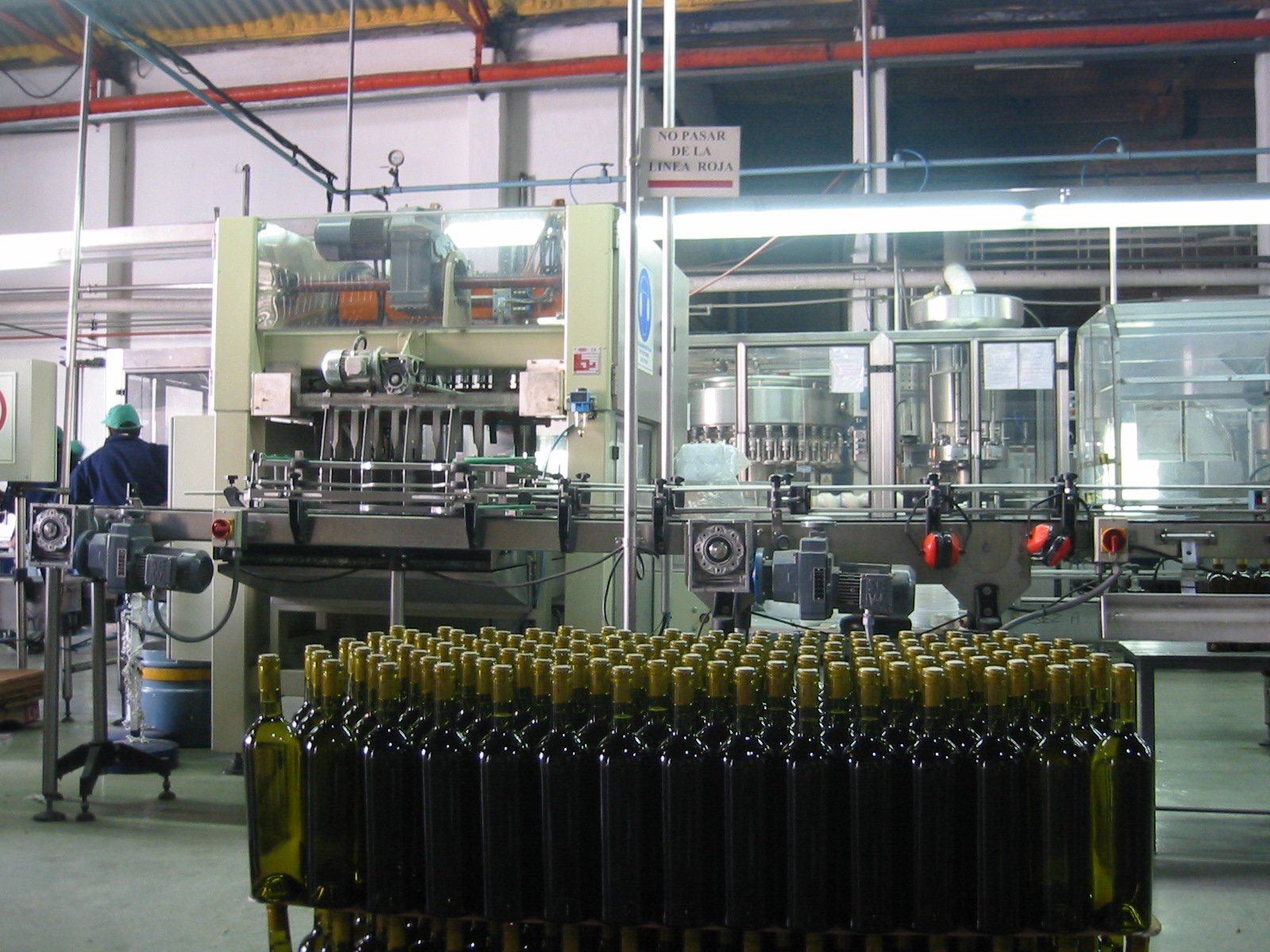
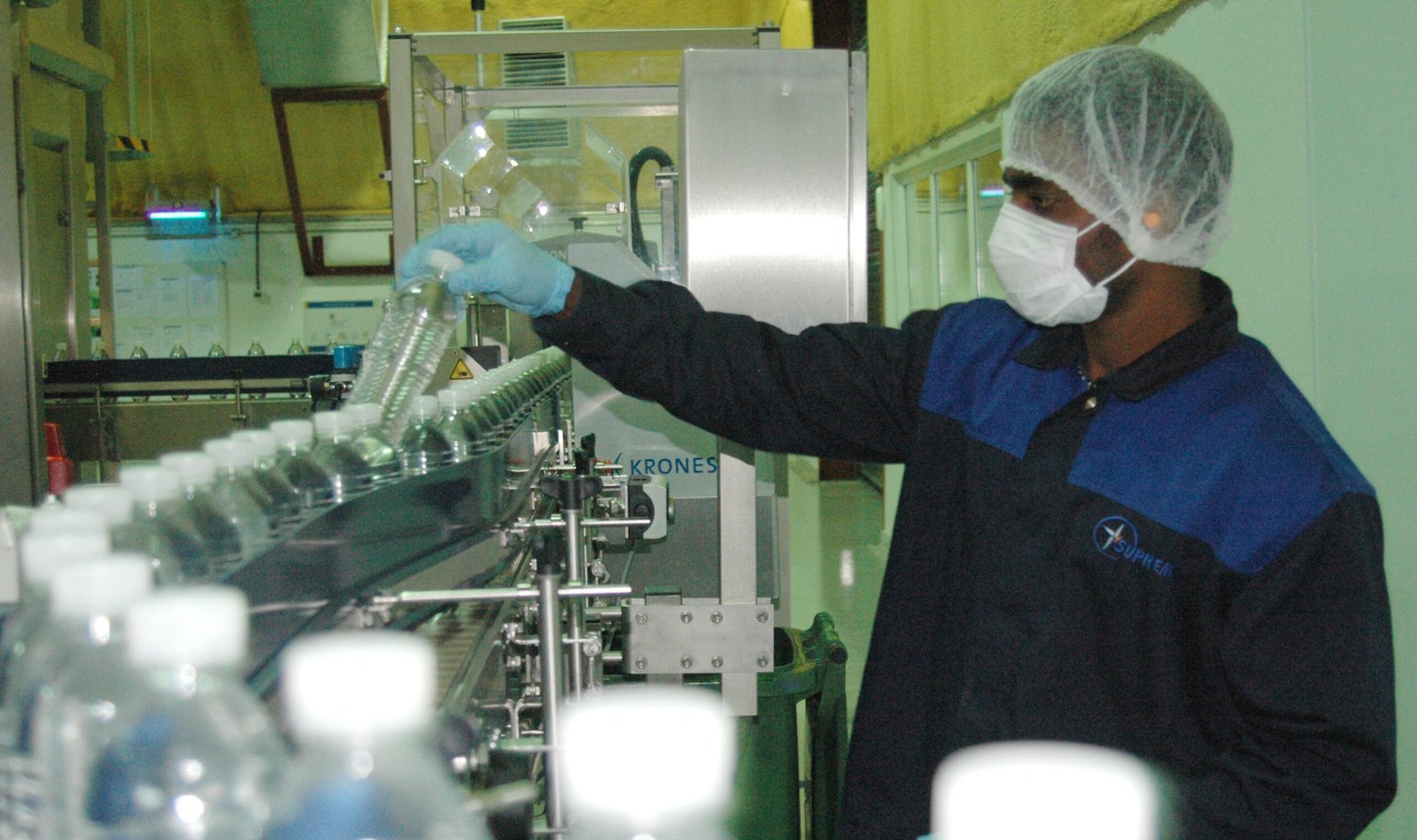
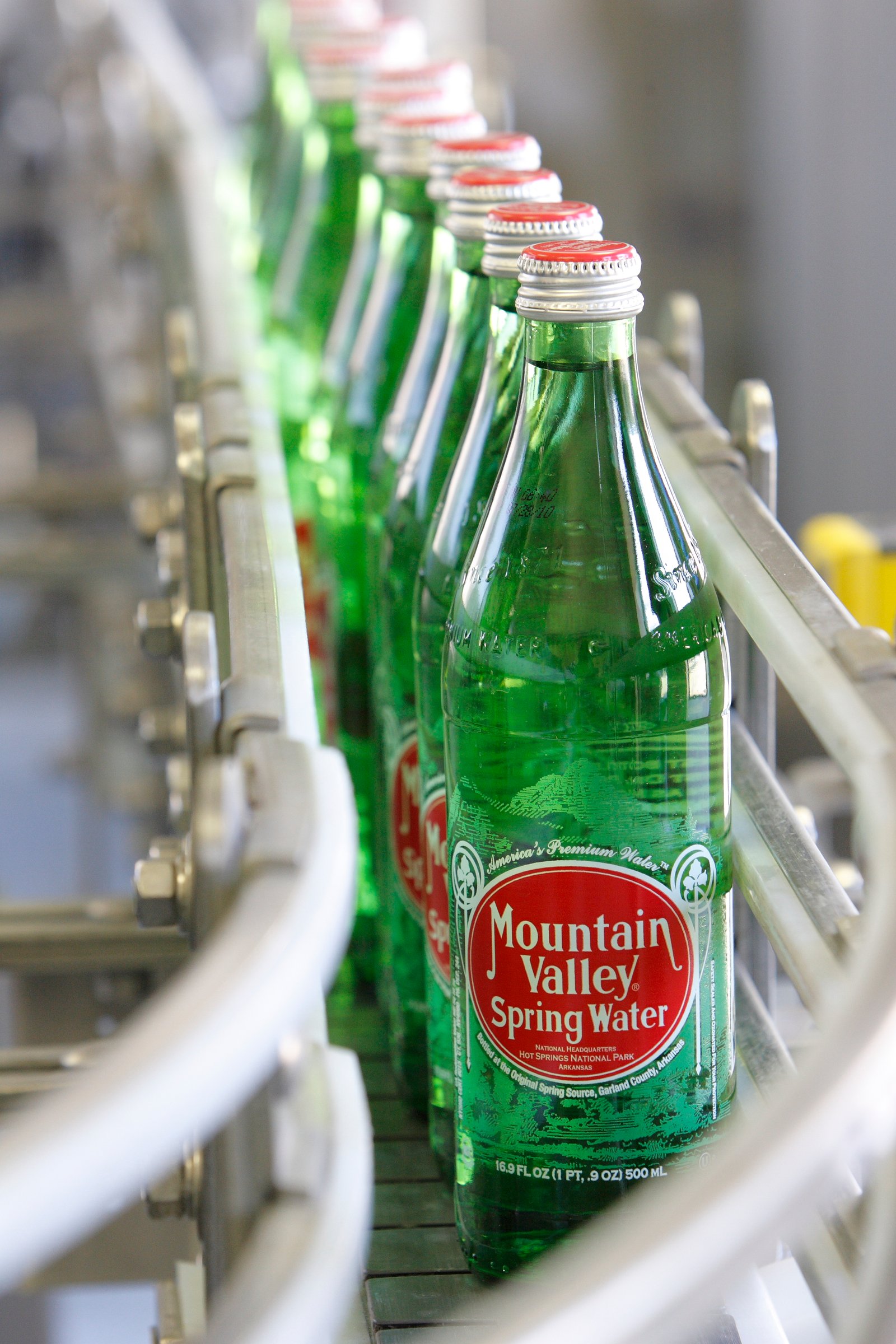
    Automated bottling line inside a production plant, with empty glass bottles staged for filling

    Why This Decision Is a Brand-Risk Decision, Not a Procurement Decision

    Private label water is unusual among procured goods: the end customer never sees the manufacturer — a hotel guest, gym member, or retail shopper sees only your brand on the bottle. Every quality failure, delayed delivery, and non-compliant label attaches to your name, not the supplier’s. The economics amplify this: water is low-margin and high-volume, so a decision made to save ₹2 per bottle can be undone by one incident that costs a corporate account or a hotel’s guest-review score.

    There is also a regulatory asymmetry. In India, the statutory baseline has changed: FSSAI has gazette-notified the omission of the provision that made BIS certification mandatory for packaged drinking water and mineral water, replacing it with a compulsory Scheme of Testing for licensed water businesses from 1 January 2026. The floor has moved — but a floor is all the statutory minimum is. Buyers whose own customers are hotels, corporates, and international retailers need to evaluate suppliers against a higher bar, and the eight points below are that bar.
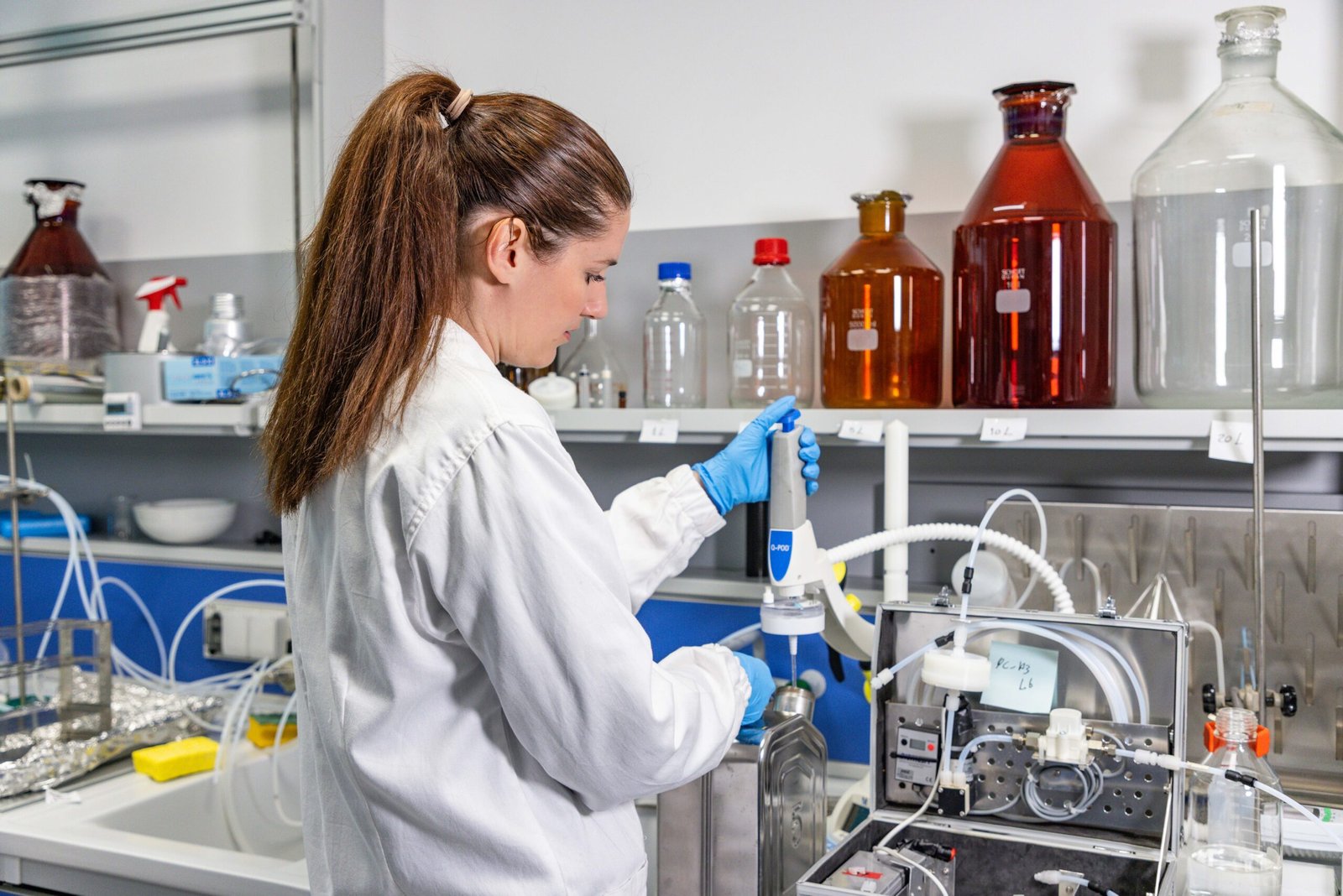
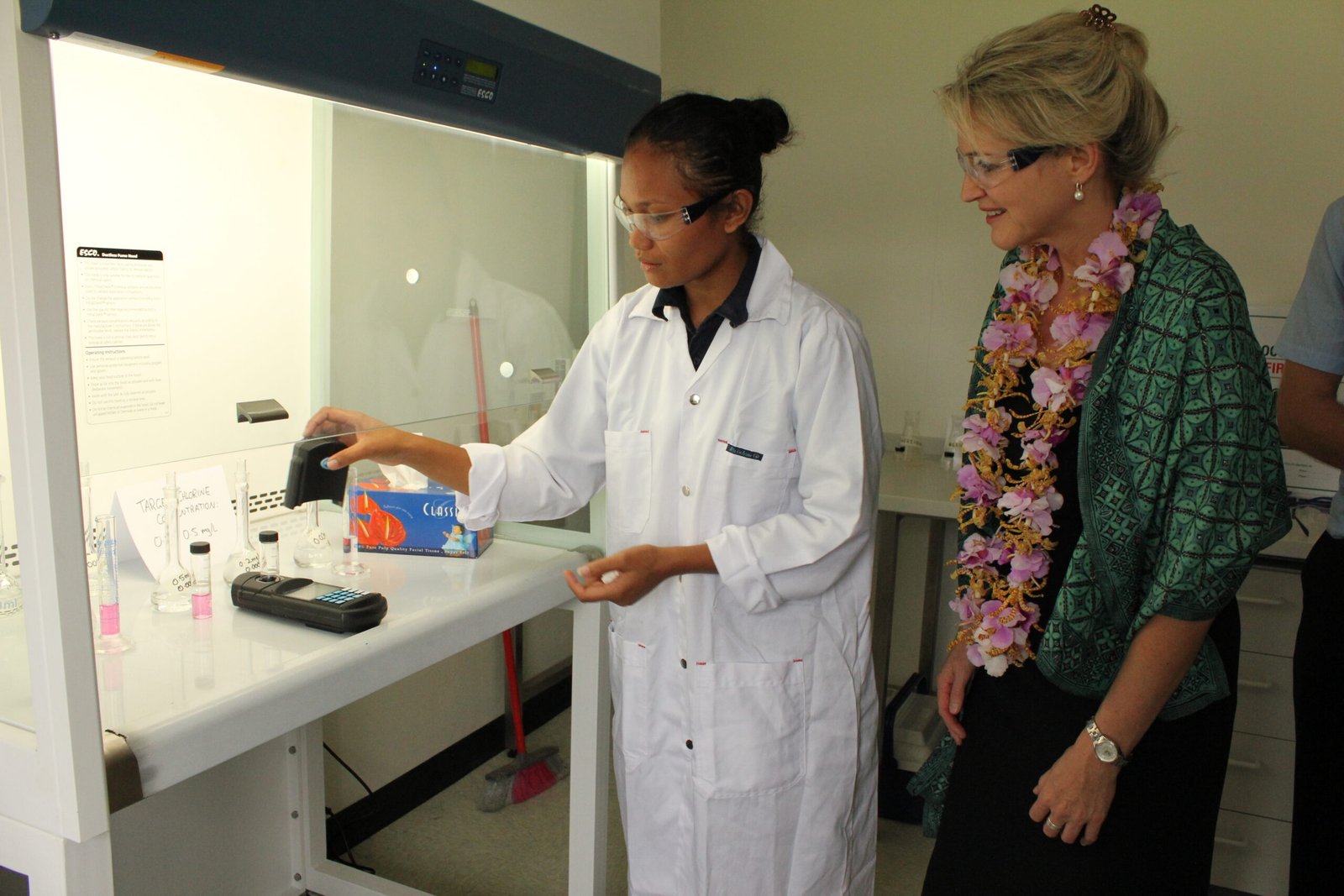
    Laboratory technician performing water quality testing with lab equipment in a modern testing laboratory

    The 8-Point Vendor Checklist

    1. Certifications that actually protect your brand

    Ask for the certificates themselves — current, scope-matched documents, not website claims. The stack that matters: ISO 22000 (the food safety management system governing the whole production chain), ISO 9001 (quality management and process consistency), US FDA registration (the facility is registered to export into the world’s strictest regulated market — essential for export buyers, a strong signal domestically), and HACCP (hazard analysis at each critical control point). A supplier holding all four hands your procurement or audit team a single, coherent compliance file. A supplier holding only the statutory licence is asking your brand to underwrite the difference. We break down what each certificate actually verifies in our guide to ISO 22000, ISO 9001, US FDA & HACCP for water partners.

    2. Source and mineral transparency

    The single most revealing question in a supplier evaluation is also the simplest: where is the water actually from, and what is its analysis? Two red flags are common in the Indian market. The first is the trader or label-printing operation reselling someone else’s plant output — they often cannot state the source with certainty because it changes. The second is the supplier who will not put pH and TDS numbers in writing. You want a supplier that bottles at source and publishes a real mineral profile — for example, naturally alkaline water at pH 8+ with a TDS of 220–280 ppm, the balanced-mineral range that tastes clean and supports “alkaline” positioning on your label. If your brand story will say “Himalayan” or “alkaline,” the supplier’s lab reports must survive your customer’s scrutiny. Our explainer on pH 8+ alkaline water covers which claims a brand can defend and which it cannot.

    3. Packaging format range

    Buyers routinely discover too late that their supplier makes exactly one thing well. A hotel needs 500ml PET for rooms, 200–250ml for banquets, and 750ml glass for fine dining. A corporate campus needs 20L jars plus 1L meeting-room bottles. A gym wants 500ml PET and aluminum cans; a café chain wants PLA or glass; a retailer wants a premium shelf-ready can. Map every use case you have today — and the two you will have in eighteen months — against the supplier’s actual catalogue. The strongest position is a manufacturer offering aluminum can, PET, glass, and PLA, from 200ml to 20L: one artwork system, one quality standard, one contract. For when each format wins, see our format comparison guide [Internal link: packaging format comparison — can vs PET vs glass vs PLA].

    4. MOQ flexibility and room to scale

    Minimum order quantities cut in both directions. Too high, and a D2C founder or a boutique hotel cannot start at all. Too rigid at the top, and a chain growing from one property to twenty has to switch suppliers — re-doing artwork, re-approving labels, and re-filing compliance documentation mid-growth. The right supplier offers a low entry MOQ for a first run and a scale path that does not require changing plants. Ask: what is the MOQ per SKU, what happens to unit pricing at 10x volume, and can a seasonal second SKU run without renegotiating?

    5. Delivery footprint across your actual locations

    If your brand lives in one city, a local bottler’s distance advantage is real. But most B2B buyers are not single-city: hotel groups have properties across regions, corporates have campuses in multiple metros, retail chains distribute nationally. Every additional city served by a different supplier multiplies contracts, specs, and quality files. A pan-India manufacturer supplying 50+ cities replaces that patchwork with one specification and one compliance pack everywhere you operate — the deciding factor in our Delhi NCR and Mumbai & Bangalore guides. For export buyers the same question becomes international: can the supplier handle export documentation, container logistics, and destination-market compliance? Our export guide for the UAE, UK, Singapore & Vietnam covers that end-to-end.

    6. Lead times and surge capacity

    Water demand in India is not flat — it spikes. Hotels face the November-to-February wedding season, when a banquet venue can consume tens of thousands of bottles in weeks; event companies buy in bursts; retail brands face festival peaks. The evaluation question is not “what is your lead time?” but “what happens to my lead time in December?” Ask for the lead time on a standard repeat order, on a 3–5x surge order, and — the honest-supplier test — whether surge capacity comes from the supplier’s own multi-plant planning or from a subcontractor you have never audited.

    7. Pricing transparency

    The cheapest quoted per-bottle price is often the most expensive contract. Compare suppliers on the fully loaded number: artwork and plate charges, label application, mould or die fees for custom shapes, packaging and palletisation, freight (and who owns freight risk), storage between runs, and what triggers surcharges — shorter runs, rush orders, glass handling, or seasonal freight. A transparent supplier quotes these line items unprompted. A supplier who answers every question with a single “rate per bottle” is deferring the surprises to the invoice.

    8. Client track record you can verify

    “Trusted by leading brands” is marketing; a verifiable track record is evidence. Look for the scale and shape of the client base: 500+ brands served across 50+ cities is a materially different risk profile from a plant running a handful of local labels — it means the supplier has already survived every failure mode on this checklist, repeatedly, for other brands whose reputations were also on the line. Ask for references in your own vertical (if you are a hotel group, talk to another hotel group they supply), and how long their longest-running client relationship has lasted. Longevity through multiple peak seasons is the best predictor of how your own contract will behave.

    Scoring the Checklist: Green Flags vs Red Flags

    Checkpoint Green flag Red flag
    1. Certifications ISO 22000 + ISO 9001 + US FDA + HACCP, current documents with matching scope Website badges only; expired certs; “BIS/ISI mark” presented as the headline credential post-2026
    2. Source & minerals Bottled at source; written pH (8+) and TDS (220–280 ppm) with lab reports Cannot state the source; resells third-party output; refuses written analysis
    3. Format range Can, PET, glass, PLA — 200ml to 20L under one roof One format only; “we can arrange” formats from an unnamed partner
    4. MOQ & scaling Low entry MOQ; published price steps as volume grows High rigid MOQ; no path to scale without switching plants
    5. Footprint 50+ cities on one contract; export documentation ready Single-city delivery; multiple suppliers needed as you expand
    6. Surge capacity Multi-plant planning; seasonal lead times quoted honestly Surge handled by unaudited subcontractors
    7. Pricing Itemised quote: artwork, freight, surcharges all stated One flat “rate per bottle” with costs discovered later
    8. Track record 500+ brands, 50+ cities, referenceable clients in your vertical No references; client list that cannot be named

    A private label supplier is not selling you bottles. They are selling you the continued right to put your name on them — evaluate accordingly.

    Red Flags That Should End the Conversation

    Most points on this checklist allow negotiation. A few do not. Walk away from any supplier who: cannot produce current certification documents at first meeting; will not disclose the water source or provide a mineral analysis; proposes to solve a format gap by subcontracting to a plant you cannot audit; or quotes a per-bottle price far below market with no explanation. Price anomalies almost always trace back to one of the eight checkpoints: usually source substitution or skipped compliance.

    The Checklist, Applied: Domestic Buyers vs Export Buyers

    The eight points are the same everywhere, but the weighting shifts by buyer type. Hotel and corporate buyers should weight certifications, delivery footprint, and surge capacity highest — their risk is service failure at a guest-facing moment. Retail and D2C brands should weight format range, MOQ flexibility, and label support highest — their risk is on-shelf presentation and margin structure. Export buyers importing into the UAE, UK, Singapore, or Vietnam should weight certifications (especially US FDA registration and ISO 22000, which anchor destination-market import approvals), export documentation experience, and label-compliance support — full detail in our country-by-country export guide and, for the UAE, our Emirates Quality Mark explainer.

    However you weight the points, apply them in order: certifications and source transparency are eliminations, not preferences. Only among suppliers who pass both does price become the deciding variable — and by then, the fully loaded pricing comparison from point 7 will usually surprise you.

    Frequently Asked Questions

    What is a reasonable MOQ for private label bottled water in India?

    It varies by format and supplier scale: entry-level private label runs typically start in the low thousands of units per SKU for standard PET, with higher MOQs for glass and aluminum can runs due to line and tooling constraints. The more important question is the scale path — what the unit price looks like at 10x your first order, and whether growth requires changing plants. A manufacturer with low entry MOQs and a documented scale path is the safer long-term partner.

    Which certifications should a private label water supplier have?

    At minimum, current statutory licences (FSSAI, with the post-January-2026 compulsory Scheme of Testing in place of the old BIS-mandatory provision). For a brand whose reputation is on the line, look for the full stack: ISO 22000 (food safety management), ISO 9001 (quality management), US FDA registration (facility-level registration enabling exports to the US), and HACCP certification (hazard analysis at critical control points). The combination, verified with current documents, is what de-risks vendor selection.

    What does TDS mean on a water spec sheet, and what range is good?

    TDS — total dissolved solids — is the measure of dissolved minerals in the water, in ppm. It drives both taste and positioning: very low TDS tastes flat, very high TDS tastes mineral-heavy. The 220–280 ppm range is broadly regarded as the balanced band for premium mineral water — enough mineral character to taste substantial, without the heaviness of high-TDS waters. Insist on the number in writing with a lab report.

    Can one supplier serve a hotel group or corporate across multiple Indian cities?

    Only if they are genuinely pan-India. Most bottled-water suppliers serve a region; multi-site buyers who sign with them end up running separate contracts, specs, and quality files per city. A manufacturer supplying 50+ cities under one contract gives every location the same water spec, label quality, and certification pack — what multi-site hospitality and corporate procurement teams should insist on.

    How do I verify a supplier’s certifications are genuine and current?

    Ask for copies of the certificates, check the certificate body and number, confirm the expiry date and the scope (a food-safety certificate scoped to a different facility or product line is not your coverage), and verify via the certification body’s public registry where possible. A supplier proud of its compliance stack produces documents within a day; hesitation is information.

    What should an export buyer adding to this checklist check?

    Three items: destination-market regulatory compliance (each country’s import and labelling rules — for example the Emirates Quality Mark regime in the UAE), the supplier’s experience with export documentation (health certificates, certificates of origin, destination-aligned test reports), and export-grade packaging that survives long-haul container shipping. US FDA registration and ISO 22000 at the plant are the strongest starting signals.

    Run the Checklist on Your Shortlist — or Start With a Supplier Who Passes It

    Score your current shortlist against the eight points above; any supplier failing points 1 or 2 is eliminated before price enters the discussion. If you would rather start from a supplier that passes all eight — Himalayan mineral water bottled at source, pH 8+ and TDS 220–280, certified under ISO 22000, ISO 9001, US FDA and HACCP, in aluminum can, PET, glass and PLA from 200ml to 20L, serving 500+ brands across 50+ Indian cities with export documentation for the UAE, UK, Singapore and Vietnam — talk to the Muscular Monk team for a free consultation.

    Muscular Monk works with hotels, corporates, restaurants, gyms, event companies and retail brands across India, and with private label export buyers in the UAE, UK, Singapore and Vietnam. Request a consultation and samples here — or start with the fundamentals in our complete private label mineral water guide for India.

  • Private Label Water Manufacturer in Mumbai & Bangalore: Supplying Corporates, Gyms & Hospitality Chains

    Private Label Water Manufacturer in Mumbai & Bangalore: Supplying Corporates, Gyms & Hospitality Chains


    Woman drinking natural mineral water outdoors with Himalayan mountains in the background

    Start Your Own Water Brand

    Pan-India private label mineral water. Low MOQ, fast turnaround, 4 packaging formats.

    Get Free Consultation


    Private Label Water Manufacturer in Mumbai & Bangalore: Supplying Corporates, Gyms & Hospitality Chains

    Mumbai and Bangalore buy more branded water — and buy it differently — than any other two Indian cities. Mumbai concentrates the country’s densest hotel, banquet, and corporate-HQ market into a narrow peninsula; Bangalore pairs India’s largest tech-campus economy with its most active gym and fitness culture. Search for a private label water manufacturer in either city and the results look the same: label-printing shops, traders reselling someone else’s plant, Instagram-first sellers offering 200ml–1L PET, and directory listings quoting a price per bottle with no mineral spec behind it. What is genuinely scarce in both markets is a manufacturer that can hold the same water spec, the same label quality, and the same certification pack across a hotel group with properties in both cities, or a corporate headquartered in BKC with its largest campus in Whitefield.

    This guide is written for the people doing that buying — hotel F&B and procurement managers, corporate admin and facilities heads, restaurant and café groups, gym chains, event companies, and D2C founders. It covers what each city actually orders, how single-city bottlers compare with a pan-India manufacturer, and what to demand before signing. The NCR side of the same question is covered separately in our Delhi NCR private label water guide.

    Direct answer: a private label water manufacturer in Mumbai or Bangalore fills and labels packaged water under your brand name — for hotel rooms, banquet floors, office pantries, gym floors, or retail shelves. Muscular Monk manufactures Himalayan mineral water — bottled at source, naturally pH 8+, TDS 220–280 ppm — under ISO 22000, ISO 9001, US FDA registration, and HACCP certification, in aluminum can, PET, glass, and PLA formats from 200ml to 20L, supplying 500+ brands across 50+ Indian cities including Mumbai and Bangalore. The practical difference between suppliers is not the price per bottle; it is whether one manufacturer can serve your brand identically in both cities at once — same mineral spec, same label quality, same audit documentation.

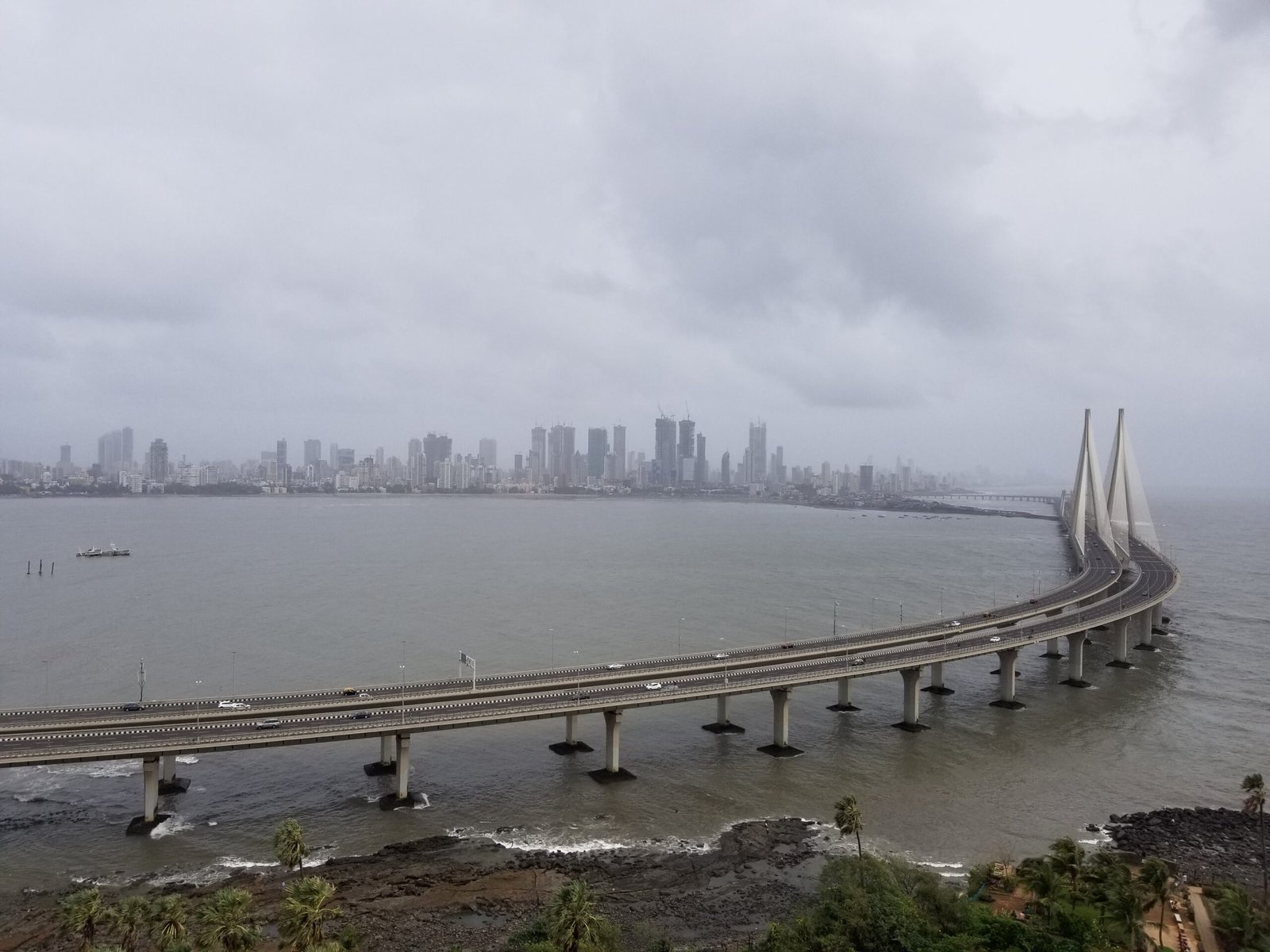
    Mumbai skyline with the Bandra-Worli Sea Link crossing the bay in the foreground

    What Mumbai Buyers Actually Order

    Mumbai’s water demand is hospitality-shaped to a degree no other Indian city matches. The city runs the country’s densest five-star cluster alongside one of its most active banquet and wedding markets, and both buy water as a presentation item, not a utility.

    Hotels, banquets, and wedding venues

    The hotel belt running from Bandra Kurla Complex through the airport district, the Lower Parel and Worli corporate-hotel corridor, and the Juhu-and-suburbs leisure cluster all buy on guest-facing logic: 500ml and 750ml PET or glass for rooms, 200ml and 250ml for banquet and conference floors that turn tables over dozens of times an hour, and glass 750ml for fine dining. Around them sits the banquet economy — Andheri, Dadar, Powai — where November-to-February wedding demand is a production-planning test: tens of thousands of bottles in a few weeks, without changing the label or the spec mid-season. The full procurement view is in our hotel water procurement guide.

    Corporate headquarters and finance

    BKC, Lower Parel, Powai, and Andheri’s corporate parks house the India head offices of banks, insurers, FMCG majors, and consulting firms — buyers whose pantry and meeting-room water is a branding surface. The pattern is 20L jars for dispensers plus 1L PET for meeting rooms, with branded or co-branded bottles reserved for board rooms, client walks, and festival gifting. Procurement here is centralised and audit-driven, so documentation quality matters as much as delivery.

    Media, film, and event production

    Mumbai’s film, advertising, and events economy buys water in bursts — shoot schedules, award nights, exhibitions. Burst demand rewards unbreakable packaging that chills fast, and punishes suppliers whose answer to a surge is a subcontractor nobody vetted.

    What Bangalore Buyers Actually Order

    Bangalore’s demand is campus-shaped. The buying unit is not a single restaurant — it is a technology campus of several thousand employees, and it buys on recurring schedule and compliance logic.

    IT parks and tech campuses

    The Whitefield and ITPL corridor, the Outer Ring Road tech stretch, Electronic City, and the Manyata belt in the north concentrate India’s largest concentration of tech campuses. Their pantry demand is 20L jars on a fixed weekly cycle plus 1L and 500ml bottles for meeting rooms, reception, and visitor areas. Because these are global companies with internal ESG and vendor-audit programmes, a water supplier in Bangalore is more likely than almost any other buyer type to ask for certification scopes, lab reports, and audit evidence before onboarding — and to re-check annually. Suppliers whose quality story stops at a statutory licence fail that onboarding.

    Startups, coworking, and D2C brands

    Indiranagar, Koramangala, HSR Layout, and the coworking floors between them generate a different kind of order: branded water as merchandise and marketing. Product launches, founder events, and co-branded cans are small first orders that grow with the brand — which makes MOQ flexibility and a real artwork approval process the deciding factors.

    Gyms and fitness studios

    Bangalore’s gym and fitness-studio density is among the country’s highest, and it is the most natural vertical for an alkaline private label brand: the audience is already primed for pH and mineral claims, and 500ml and 1L PET plus aluminum cans fit the floor, the café counter, and the front-desk cooler. Our explainer on pH 8+ alkaline water covers which claims a gym brand can defend on its label and which it cannot.

    International Tech Park Bangalore (ITPL) in Whitefield, a large technology campus in Bangalore

    A Single-City Bottler or a Pan-India Manufacturer?

    Both cities have credible local options, and fairness matters: a Bangalore-based private label bottler delivers a genuine end-to-end service — artwork, bottling, labelling, delivery — inside its own city, and Mumbai’s custom-label scene will turn a 500ml PET run around quickly. For a buyer with one site in one city, a local bottler’s distance advantage is real.

    The limits show up the moment the footprint grows — and in these two cities it usually does. A single-city bottler typically runs a narrow format range (mostly PET, 200ml–1L), one plant’s capacity ceiling, a certification file that stops at the statutory minimum, and no way to serve the same brand’s other locations. A hotel group with Mumbai and Bengaluru properties ends up signing separate contracts with separate specs and separate quality files; a pan-India manufacturer replaces that patchwork with one specification, one artwork approval, and one certification pack governing every site.

    What you are buying Single-city bottler (Mumbai or Bangalore) National retail water brand Pan-India private label manufacturer
    Your brand on the bottle Yes No — they sell only their own label Yes, full private label
    Format range Usually PET only, 200ml–1L Fixed retail SKUs Can, PET, glass, PLA — 200ml to 20L
    Coverage across both cities One city only Both, but never under your brand Both, plus 50+ other cities, one contract
    Certification depth Often statutory licence only Deep, but not available to you ISO 22000, ISO 9001, US FDA, HACCP
    Wedding-season / event-burst capacity Single-plant limited Not applicable Multi-plant capacity planning
    Export readiness Rarely Own-brand exports only Yes — see our export guide

    One documentation check worth doing in both cities: several local suppliers still present “BIS certified, IS 14543” as their headline credential. FSSAI has gazette-notified the omission of the provision making BIS certification mandatory for packaged drinking water and mineral water, replacing it with a compulsory Scheme of Testing for licensed water businesses from 1 January 2026. A supplier leading with an ISI mark is telling you its quality story has not been updated. What to ask for instead is in our guide to ISO, US FDA, and HACCP certification for water suppliers.

    “Between a BKC ballroom and a Whitefield campus, the cheapest thing you can buy is a quote. The expensive thing is the same bottle, same spec, and same audit file showing up in both cities.”

    Matching the Format to the Buyer

    Most oversized water budgets come from one mistake: standardising the whole operation on a single SKU to simplify purchasing. The format mix, not the unit price, is where the money moves. This is the mapping that works in practice:

    Use case Format that works Why
    Banquet, wedding, conference (Mumbai-heavy) 200ml / 250ml PET or can High turnover, low waste per cover, easy clearing between courses
    Hotel guest rooms 500ml / 750ml PET; glass for premium tiers Guest-facing, label read at leisure, matches the property’s price positioning
    Fine dining, à la carte Glass 750ml / 1L Table-side presentation that matches the cover price
    Tech-campus pantry (Bangalore-heavy) 20L jar plus 1L PET Jars for dispensers on a weekly cycle, bottles for meeting rooms and reception
    Gyms and fitness studios 500ml / 1L PET, aluminum can for on-floor Resealable, unbreakable, fits cup holders and front-desk coolers
    Product launches, media, events Aluminum can, 500ml PET Fast chill, no glass-breakage risk, carries a design-forward label
    ESG-led corporates and eco-positioned brands PLA bottle, aluminum can A packaging story that survives a procurement or ESG audit

    What Buyers in Mumbai & Bangalore Should Demand Before Signing

    Both markets reward the same discipline: put the documentation requirements into the RFQ so every supplier answers the same questions, then verify the answers.

    • The FSSAI licence number, category, and the address it covers. The licence should map to the plant that actually fills your bottles, not to a sales office.
    • Certification scopes, not logos. ISO 22000 and ISO 9001 certificates with numbers and the certified site named on them, plus HACCP and US FDA facility registration if export is anywhere on your roadmap. Verify at least one certificate number on the certifying body’s website.
    • Current accredited-lab test reports. pH, TDS, microbiology, and chemistry from a NABL or ISO/IEC 17025-accredited lab, dated within twelve months — this is what makes “alkaline” and “mineral” claims on your label defensible.
    • A written dispatch SLA per site. A committed window per location in Mumbai and per campus in Bangalore, plus what happens when a site orders outside it.
    • Artwork and label ownership terms. Who proofs the label, how many revisions are included, who owns the print plates, and how a redesign is handled mid-contract.
    • Peak and burst capacity in writing. Mumbai: volume reserved for your label in the November–February wedding season. Bangalore: event-surge and campus-scale weekly capability.
    • One contract for a multi-city footprint. If your brand operates in both cities — or plans to — insist on a single supply agreement covering both. The structured version of this vetting process is in our 8-point vendor checklist.

    How Muscular Monk Supplies Mumbai and Bangalore

    Muscular Monk’s model is deliberately not a local-bottler model. The water is Himalayan mineral water, bottled at source — naturally pH 8+ with a TDS of 220–280 ppm — and the manufacturing and certification system is built to serve one brand across many cities rather than one neighbourhood. For buyers in these two cities that means four things in practice:

    • One spec across both cities. The same source, mineral profile, and label quality for a Lower Parel boardroom and a Whitefield pantry — so a client who drinks your water in Mumbai meets the identical product in Bangalore.
    • Every format from one supplier. 200ml to 20L across aluminum can, PET, glass, and PLA — banquet, rooms, fine dining, campus pantry, gym floor, and event stock consolidated on one contract instead of four vendors.
    • An audit-ready certification pack. ISO 22000, ISO 9001, US FDA registration, and HACCP, with scopes and current lab reports your compliance or ESG team can actually verify — the pack that gets a supplier through tech-campus and hotel-group onboarding.
    • Track record at both cities’ scale. 500+ brands supplied across 50+ Indian cities, including the hospitality, corporate, and institutional buyers concentrated in these two cities.

    And because Mumbai in particular is export-minded — hospitality groups and consumer brands running Dubai and UK programmes alongside domestic supply — the same plant and certification stack support export orders. Our complete guide to private label mineral water manufacturing in India covers the model end to end.

    Frequently Asked Questions

    Do you supply private label water in Mumbai and Bangalore?

    Yes. Muscular Monk supplies private label mineral water to hotels, corporates, tech campuses, restaurant groups, gyms, and event buyers across Mumbai, Thane, and Navi Mumbai, and across Bangalore from Whitefield to Electronic City, as part of a pan-India footprint covering 50+ cities.

    Can one contract cover both Mumbai and Bangalore?

    Yes — that is the core of the pan-India model. A brand with locations in both cities signs one supply agreement, approves one label, and receives the same mineral spec and certification documentation at every site, instead of separate vendors with separate specs in each city.

    What is the minimum order quantity for branded water?

    MOQ depends on format and label print run rather than a single flat number — a 200ml banquet PET run and a glass fine-dining run have different economics. Ask for an MOQ quote against your actual monthly volume, site count, and format mix.

    Can I get glass bottles for a fine-dining restaurant or premium hotel rooms?

    Yes — glass is one of four formats Muscular Monk manufactures, alongside aluminum can, PET, and PLA. The same certified plant and the same mineral spec apply across formats, so presentation does not come at the cost of the quality file behind it.

    How quickly can orders be delivered to Mumbai or Bangalore?

    Timing depends on format, volume, and whether the label is already approved and in production. A first order includes artwork proofing and a print run; repeat orders move on a scheduled replenishment cycle. Ask for a written dispatch SLA per location and a peak-season capacity commitment.

    Which certifications should a private label water supplier in India hold?

    At minimum a valid FSSAI licence for the manufacturing activity plus current accredited-lab test reports. For any buyer with an audit programme or an export plan, the working baseline is ISO 22000 for food safety, ISO 9001 for quality management, HACCP for hazard control, and US FDA facility registration — each verifiable by certificate number.

    The Bottom Line for Mumbai & Bangalore Buyers

    Mumbai will always have more banquet covers and Bangalore more campuses per square kilometre than anywhere else in India — which is exactly why both markets expose thin suppliers fastest. The buyers who get this right specify by use case rather than by bottle size, put certification and test-report requirements into the RFQ, and choose a manufacturer whose spec will not change the day their footprint does.

    Muscular Monk’s Himalayan mineral water is bottled at source with a natural pH of 8+ and TDS of 220–280 ppm, under ISO 22000, ISO 9001, US FDA registration, and HACCP certification, across can, PET, glass, and PLA formats from 200ml to 20L, for 500+ brands across 50+ Indian cities and export markets. Request a quote for Mumbai or Bangalore with your site list and monthly volumes, ask for free samples in the formats you are considering, or talk to our team about a two-city private label programme.

  • Private Label Water Manufacturer in Delhi NCR: Pan-India Supply for Corporates & Hotels

    Private Label Water Manufacturer in Delhi NCR: Pan-India Supply for Corporates & Hotels


    Woman drinking natural mineral water outdoors with Himalayan mountains in the background

    Start Your Own Water Brand

    Pan-India private label mineral water. Low MOQ, fast turnaround, 4 packaging formats.

    Get Free Consultation


    Private Label Water Manufacturer in Delhi NCR: Pan-India Supply for Corporates & Hotels

    Delhi NCR is the hardest water market in India to buy well in — and not because there is a shortage of suppliers. Search for a private label water manufacturer in Delhi and you will get hundreds of results: local bottlers in Karol Bagh and Okhla, traders in Noida who resell someone else’s plant, event-focused suppliers in Ghaziabad, and IndiaMART listings quoting ₹25 a bottle with a TDS figure that does not survive a laboratory test. What is genuinely hard to find is a manufacturer that can hold the same spec, the same label quality, and the same documentation across a 40-property hotel group, a corporate with offices in Cyber City and Noida, and a banquet season that spikes in November.

    This guide is written for the people doing that buying — hotel F&B and procurement managers, corporate admin and facilities heads, restaurant groups, gym chains, and event companies across Delhi, Gurugram, Noida, Greater Noida, Ghaziabad, and Faridabad. It covers what NCR demand actually looks like by segment, how format choices differ by use case, what a credible supplier has to document, and how a pan-India manufacturer compares with a regionally confined NCR bottler. If you are still deciding between the two commercial models, start with our private label vs. white label comparison.

    Direct answer: a private label water manufacturer in Delhi NCR supplies packaged drinking or mineral water filled and labelled under your brand, either from a plant inside the NCR belt or from a pan-India manufacturing footprint with dedicated NCR distribution. Muscular Monk manufactures Himalayan mineral water — bottled at source, pH 8+, TDS 220–280 ppm — under ISO 22000, ISO 9001, US FDA registration, and HACCP certification, in can, PET, glass, and PLA formats from 200ml to 20L, and supplies 500+ brands across 50+ Indian cities including Delhi NCR. The practical difference between suppliers is not the price per bottle; it is whether the spec, the label, and the certification pack stay identical across every location and every delivery cycle.

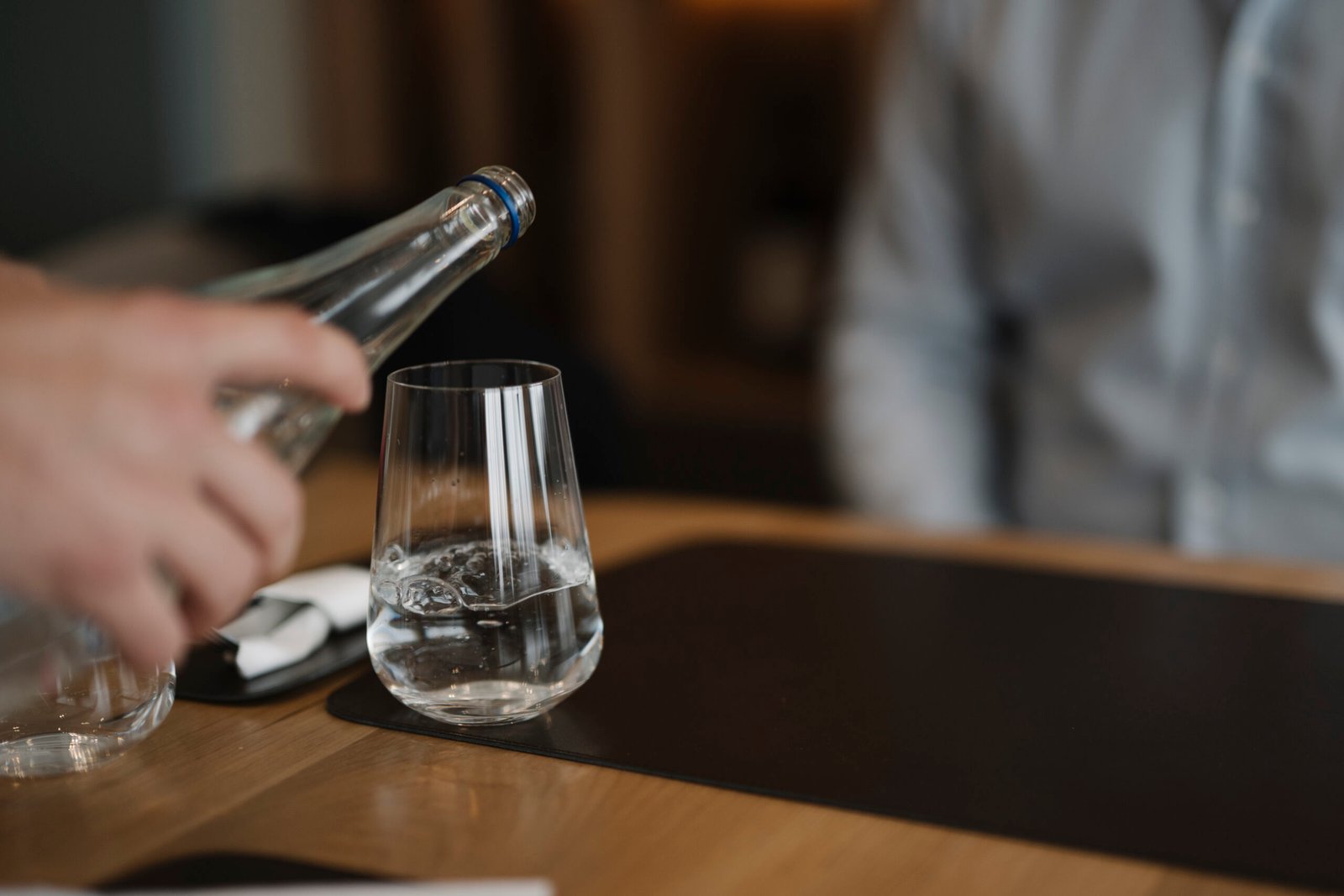
    Glass bottle of mineral water being poured into a tumbler on a restaurant table in a premium dining setting

    Why Delhi NCR Is India’s Densest Private-Label Water Market

    NCR concentrates five different buying behaviours inside a 60-kilometre radius, and each one buys water for a different reason. That is why a single “we supply Delhi” page is rarely enough — the format, the label, the delivery window, and the paperwork differ by segment.

    Corporate offices and IT parks

    Gurugram’s Cyber City and Golf Course Road corridor, Noida’s Sectors 62, 63, and 16, and the office clusters around Aerocity and Dwarka run on pantry water for most of the working day. That demand is dominated by 20L jars and 1L bottles, ordered on a recurring schedule, invoiced centrally, and increasingly tied to a brand that the company wants visible in meeting rooms — board-room bottles carrying the company mark, or a co-branded label for an internal campaign. Facilities teams care about three things here: consistent delivery against a fixed weekly slot, identical bottle quality across sites, and one point of contact when a site runs dry.

    Hotels, banquet halls, and wedding venues

    The Aerocity hospitality district around IGI Airport, the five-star cluster in central Delhi, and the Gurugram hotel belt all buy on a different logic: guest-facing presentation first. Rooms want 500ml or 750ml in PET or glass; banquet and conference floors want 200ml and 250ml because they are poured, cleared, and replaced dozens of times an hour; fine dining wants glass. Wedding and banquet demand across Chattarpur, Mehrauli, and the Shahdara banquet belt is intensely seasonal, which makes it a test of a supplier’s ability to scale up without changing the label or the spec. The full procurement view is in our hotel water procurement guide.

    Restaurants, cafés, and QSR chains

    Standalone restaurants and multi-outlet café groups buy private label water as a margin line as much as a service item — a house-brand bottle at the table is priced like a beverage, not a utility. That means glass or premium PET in 500ml and 750ml, a label that survives close inspection at the table, and weekly replenishment per outlet rather than per warehouse.

    Gyms, fitness studios, and sports facilities

    NCR’s gym and studio density is high and the buying logic is different again: 500ml and 1L PET at volume, sold or given to members, often with a pH and mineral story on the label because the audience is already primed for it. Our explainer on pH 8+ alkaline water covers the claims you can defend here and the ones you cannot.

    Events, exhibitions, and institutional buyers

    Conferences at Bharat Mandapam and the NCR expo venues, campuses, hospitals, and corporate offsites all buy in bursts. Burst demand is where regional suppliers break: a venue order for 40,000 bottles in five days is a production scheduling question, not a sales question.

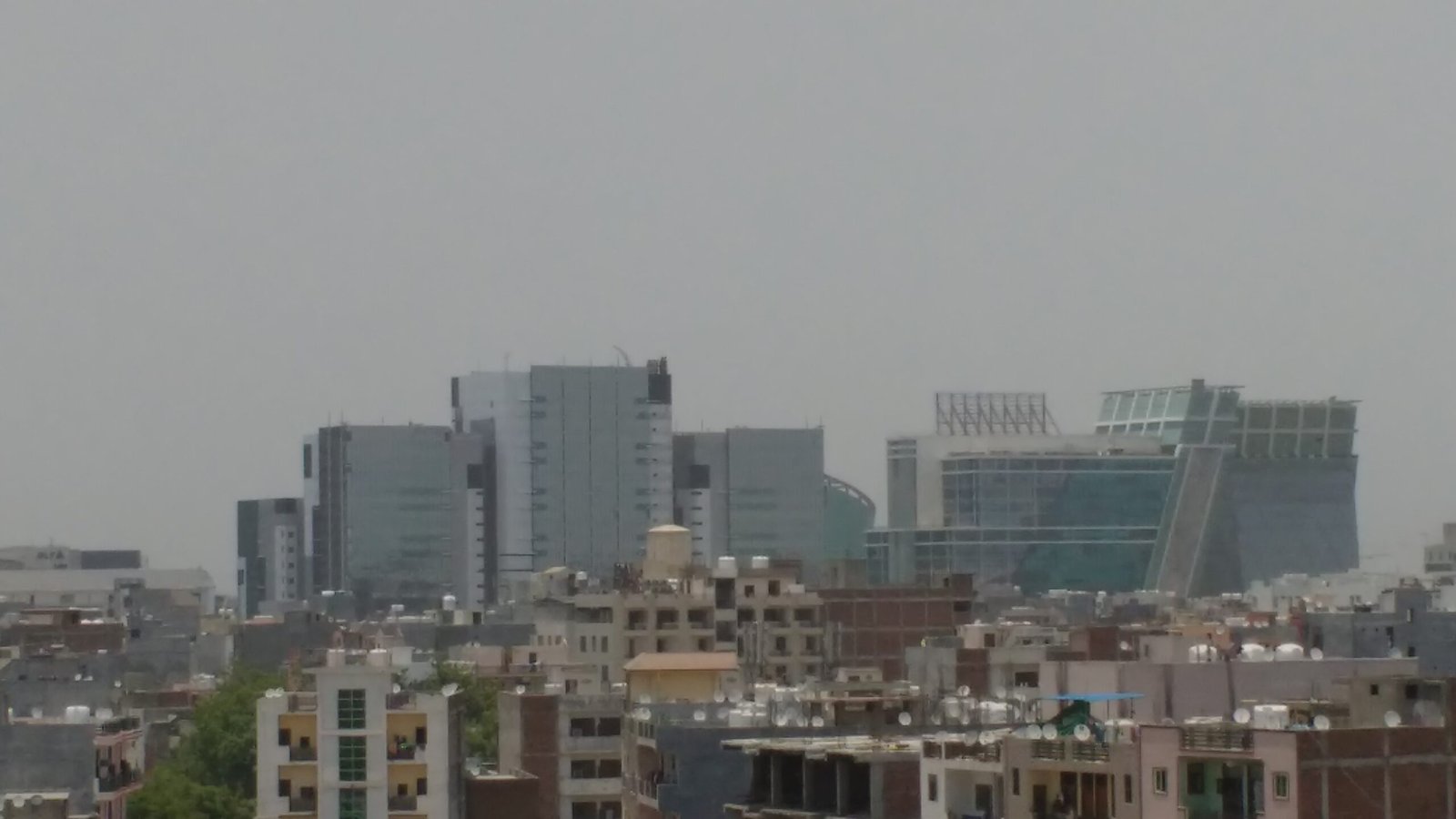
    Modern corporate office towers in Gurgaon Cyber City rising above dense residential rooftops in Delhi NCR

    What “Pan-India Supply” Means When the Buyer Sits in NCR

    There is a real trade-off between a plant inside the NCR belt and a national manufacturer, and buyers should understand it rather than take a slogan at face value.

    A local NCR bottler wins on distance. Same-day or next-day dispatch is genuinely achievable when the plant is in Ghaziabad and the buyer is in Saket, and for a single restaurant or a 200-person office that convenience is often the whole decision. The limits show up at scale: narrow format range, one plant’s capacity ceiling, a certification file that usually stops at the statutory minimum, and no ability to serve the same brand’s outlets in Mumbai or Bengaluru.

    A pan-India manufacturer wins on consistency and reach. Water is heavy — a litre weighs a kilogram, so freight is a structural cost, and the right answer is not always “ship everything from one plant”. It is a manufacturing footprint and a distribution plan that put the nearest plant or hub behind each city, with one specification, one artwork approval, and one certification pack governing all of them. For a hotel group or a corporate with a multi-city footprint, that is the difference between one vendor relationship and six.

    What you are buying Typical NCR-only bottler National retail water brand Pan-India private label manufacturer
    Your brand on the bottle Yes No — they sell only their own brand Yes, full private label
    Format range Usually PET only, 200ml–1L, occasionally 20L Fixed retail SKUs Can, PET, glass, PLA — 200ml to 20L
    Delivery geography NCR and immediate surrounds Distributor network, but only their label Pan-India, NCR included
    Certification depth Often statutory licence only Deep, but not available to you ISO 22000, ISO 9001, US FDA, HACCP
    Scale-up for peak season Capacity-limited Not applicable Multi-plant capacity planning
    Export readiness Rarely Own-brand exports only Yes — see our export guide

    One factual check worth doing before you shortlist: several NCR suppliers still lead with “BIS certified under IS 14543” as their headline credential. The regulatory position changed — FSSAI has gazette-notified the omission of the provision making BIS certification mandatory for packaged drinking water and mineral water, replacing it with a compulsory Scheme of Testing for licensed water businesses from 1 January 2026. A supplier whose entire quality story is an ISI mark is telling you it has not updated its quality system. We explain what replaced it, and what to ask for instead, in our guide to ISO, FDA, and HACCP certification for water suppliers.

    “In NCR you are never short of quotes. You are short of suppliers who can prove the same bottle, the same label, and the same test report will still exist in month nine.”

    Matching the Format to the Buyer

    Most NCR tenders go wrong at the specification stage, not the price stage — a buyer asks for “500ml bottles” and receives a PET bottle that is wrong for a banquet floor and wrong for a boardroom. This is the mapping that works in practice.

    Use case Format that works Why
    Banquet, conference, wedding 200ml / 250ml PET or can Low unit cost, high turnover, easy clearing; a 1L bottle on a banquet table is wasted volume
    Hotel guest rooms 500ml / 750ml PET; glass for premium tiers Guest-facing, sits on the desk or minibar, label read at leisure
    Fine dining, à la carte Glass 750ml / 1L Table-side presentation, reusable perception, matches the cover price
    Corporate pantry, office floors 20L jar plus 1L PET Jar for dispensers and pantry, bottles for meeting rooms and reception
    Gyms and studios 500ml / 1L PET, aluminum can for on-floor Single-hand use, resealable, can fits cup holders and is unbreakable
    Events and outdoor activations Aluminum can, 500ml PET Fast chill, no glass-breakage risk, lighter freight per unit of presentation
    Eco-positioned brands, ESG-led corporates PLA bottle, aluminum can Renewable or highly recyclable packaging story that survives a procurement audit

    The mistake to avoid is standardising on one SKU to simplify purchasing. A hotel group running 500ml everywhere pays more per cover than one running 200ml in banquets and 500ml in rooms — the format mix, not the unit price, is where the budget moves.

    What a Delhi NCR Buyer Should Demand Before Signing

    NCR’s supplier base is uneven, and the gaps are predictable. Put these in the RFQ so every supplier answers the same questions:

    • The FSSAI licence number, category, and the address it covers. A licence for a plant in another state is fine if that is genuinely where your product is made — what is not fine is a Delhi address on the invoice and a plant nobody has seen.
    • Certification scopes, not logos. ISO 22000 and ISO 9001 certificates with certificate numbers and the site address named on them, plus HACCP certification and, if you export, US FDA facility registration. Verify at least one certificate number independently on the certifying body’s site.
    • Current accredited-laboratory test reports. pH, TDS, microbiology, and chemistry, from a NABL or ISO/IEC 17025 lab, with sample dates inside twelve months — this is what makes an “alkaline” or “mineral” claim on your label defensible.
    • Written dispatch SLA per site. Not “same-day in Delhi” on a web page, but a committed dispatch window per location, and what happens when a site orders outside it.
    • Artwork and label approval process. Who proofs the label, how many revisions are included, who owns the print plates, and how a label change is handled mid-contract without re-quoting the bottle.
    • Peak-season capacity commitment. Ask what volume they can hold for your brand in November and December, and get it in writing.
    • Multi-city capability, if you have it. A corporate with offices in NCR, Mumbai, and Bengaluru should not be signing three separate supply contracts with three different specs — our Mumbai & Bangalore city guide shows what one cross-city contract looks like in practice.

    If you want the structured, supplier-agnostic version of this vetting process, it is in our 8-point vendor checklist, and the certification-by-certification reasoning sits in our certifications deep dive.

    How Muscular Monk Supplies Delhi NCR

    Muscular Monk’s model is deliberately not a local-bottler model. The water is Himalayan mineral water bottled at source — naturally pH 8+ with a TDS of 220–280 ppm — and the manufacturing and certification system is designed to serve a brand across cities rather than a single neighbourhood. For an NCR buyer that means four things in practice:

    • One spec across every site. The same source, the same mineral profile, and the same label quality for a Cyber City pantry and a Chattarpur banquet, so a guest who drinks your water in Gurugram and again in Goa gets the same product.
    • Format coverage from one supplier. 200ml through 20L across can, PET, glass, and PLA — banquet, rooms, fine dining, gym floor, and office pantry can all be sourced on one contract instead of four.
    • A certification pack that answers a corporate audit. ISO 22000, ISO 9001, US FDA registration, and HACCP, with scopes, surveillance-audit evidence, and current lab reports available for your compliance team rather than a logo on a brochure.
    • Track record at NCR scale. 500+ brands supplied across 50+ Indian cities, including corporate, hospitality, and institutional buyers in the NCR belt.

    If you are also weighing an export programme — a Dubai hotel group, a UK distributor, a Singapore importer — the same plant and the same certification stack support it, which is why several NCR-based brands run domestic and export labels through one manufacturer. Our complete guide to private label mineral water manufacturing in India covers the model end to end.

    Frequently Asked Questions

    Do you supply private label water in Delhi NCR?

    Yes. Muscular Monk supplies private label mineral water to hotels, corporates, restaurant groups, gyms, and institutions across Delhi, Gurugram, Noida, Greater Noida, Ghaziabad, and Faridabad, as part of a pan-India footprint covering 50+ cities. Orders are coordinated per site, so a group with multiple NCR locations can run one contract and one label across all of them.

    What is the minimum order quantity for branded water in Delhi NCR?

    MOQ depends on format and label print run rather than on a single flat number — a 200ml banquet PET run and a glass fine-dining run have different economics. NCR is a high-volume market, so most hotel and corporate buyers clear the minimum on their regular replenishment cycle. Ask for an MOQ quote against your actual monthly volume and site count.

    Can I get glass bottles for a fine-dining restaurant in Delhi or Gurugram?

    Yes — glass is one of four formats Muscular Monk manufactures, alongside aluminum can, PET, and PLA. Glass suits table-side service and premium covers, and the same certified plant and mineral spec applies as for PET, so you are not trading quality for presentation.

    How quickly can a Delhi NCR order be delivered?

    Dispatch timing depends on format, volume, and whether the label is already approved and in production. The first order involves artwork proofing and a print run; repeat orders move on a scheduled replenishment cycle. Ask for a written dispatch SLA per site, and for peak-season capacity commitments if your demand spikes in the wedding and conference season.

    Is BIS certification still mandatory for packaged drinking water in India?

    No. FSSAI has gazette-notified the omission of the provision that made BIS certification mandatory for packaged drinking water and mineral water, replacing it with a compulsory Scheme of Testing applicable to licensed water businesses from 1 January 2026. In practice, buyers should ask for the FSSAI licence and recent accredited-laboratory test reports instead of treating an ISI mark as the complete quality answer.

    What certifications should an NCR private label water supplier hold?

    At minimum a valid FSSAI licence for the manufacturing activity, plus current accredited-lab test reports. For any buyer with a quality team, a customer audit, or an export plan, the working baseline is ISO 22000 for food safety, ISO 9001 for quality management, HACCP for hazard control, and US FDA registration if the product reaches the US market. None of these substitute for the others, and all of them should be verifiable by certificate number.

    The Bottom Line for Delhi NCR Buyers

    NCR gives you more suppliers than any other Indian market and, on average, less verifiable quality per supplier. The buyers who get this right specify by use case instead of bottle size, put certification and test-report requirements into the RFQ rather than discovering them at audit time, and choose a manufacturer whose spec will not change when their footprint grows beyond the NCR belt.

    Muscular Monk’s Himalayan mineral water is bottled at source with a natural pH of 8+ and TDS of 220–280 ppm, under ISO 22000, ISO 9001, US FDA registration, and HACCP certification, across can, PET, glass, and PLA formats from 200ml to 20L, for 500+ brands across 50+ Indian cities and export markets. Request a Delhi NCR quote with your site list and monthly volumes, ask for free samples in the formats you are considering, or talk to our team about a multi-city private label programme.

  • ISO 22000, ISO 9001, US FDA & HACCP: Why Certifications Matter When Choosing a Private Label Water Partner

    ISO 22000, ISO 9001, US FDA & HACCP: Why Certifications Matter When Choosing a Private Label Water Partner


    Woman drinking natural mineral water outdoors with Himalayan mountains in the background

    Start Your Own Water Brand

    Pan-India private label mineral water. Low MOQ, fast turnaround, 4 packaging formats.

    Get Free Consultation


    ISO 22000, ISO 9001, US FDA & HACCP: Why Certifications Matter When Choosing a Private Label Water Partner

    Almost every private label water quote looks similar: a per-bottle price, a minimum order quantity, a list of packaging formats, and a line somewhere about being “ISO certified”. Compare suppliers properly and the questions get harder. Which ISO standard? Audited by whom? Is the certificate in the manufacturer’s name or a trading company’s? Does it cover the plant that will actually bottle your brand — and is it still maintained through annual surveillance audits? Most buyers never ask, and the cost of not asking lands on their own label.

    This guide is for brand owners, hotel groups, corporates, retail chains, and exporters choosing a private label water manufacturer, and it covers what each certification verifies, how to verify it yourself in ten minutes, and how the Indian regulatory picture changed in 2026. If you are still at the stage of understanding the model itself, start with our complete guide to private label mineral water manufacturing in India.

    Direct answer: ISO 22000 and HACCP certify the food-safety management system of the manufacturing plant; ISO 9001 certifies the quality management system; US FDA registration is not a certification at all but a legal registration and compliance regime that lets a facility supply the US market, backed by 21 CFR Part 129 bottling rules and FSMA duties on the importer. A private label water manufacturer holding all four has documented, auditable processes for source protection, treatment, filling, hygiene, traceability, and corrective action — which is what lets a brand owner put their own name on the bottle without inheriting an unacceptable food-safety risk. Muscular Monk holds ISO 22000, ISO 9001, US FDA registration, and HACCP certification, and each is verifiable with the issuing body.

    Worker in protective gear inspecting bottled water on a conveyor line during quality control at a bottling plant

    Why “ISO Certified” Is Not an Answer on Its Own

    In the Indian packaged water market, certification is where the real quality gap hides. Most direct B2B competitors hold a basic licence and little else; a handful of national brands hold certification depth but will not private-label at all. Almost none combine a full four-certificate stack with private-label capability across every format.

    That gap is commercial, not academic. Water is the category where a defect is most visible, and a bottled water problem does not stay a supplier problem — it becomes a recall, a delisting, or a headline with your brand name on it. A certificate is also the cheapest available evidence that a manufacturer controls its process, because it means an independent auditor has walked the plant, checked the records, and put their accreditation on the line. So the practical question is not “are you ISO certified” but “which standard, which body, which site, in force until when, and can I see the paperwork”.

    The Four Certifications, Explained Properly

    Each certification in a credible manufacturer’s stack verifies something different. Buyers who treat them as interchangeable end up under-protected in one area and over-focused in another.

    Certification What it actually verifies Who audits it What it protects the buyer from
    ISO 22000 (Food Safety Management System) A documented food-safety system built on HACCP principles: hazard analysis, prerequisite programmes, critical control points, monitoring, traceability, recall procedure, continuous improvement An independent accredited certification body, after a two-stage audit; three-year certificate cycle with annual surveillance audits Undocumented hygiene and process control — the failure mode behind microbiological contamination, recalls, and delistings
    ISO 9001 (Quality Management System) Organisational quality management: process control, document control, supplier approval, calibration, performance measurement, corrective and preventive action, complaint handling Independent accredited certification body, same three-year cycle with surveillance audits Inconsistency — batch-to-batch variation, wrong labels, missed specs, unmanaged complaints
    HACCP Applied hazard analysis at each process step, with critical limits, monitoring, verification, and records — the seven Codex Alimentarius principles Third-party certification bodies and accredited auditors; in food manufacturing the system is expected or required in most markets even where certification is voluntary Unidentified physical, chemical, and biological hazards at specific process steps — exactly what a food-safety inspection asks about
    US FDA registration Regulatory compliance for the US market: facility registration with a designated US agent, bottled water CGMPs (21 CFR Part 129), the bottled water quality standard (21 CFR 165.110), plus FSMA preventive-control obligations The FDA itself — it registers, inspects, and enforces; it does not issue certificates. Treat any “FDA certified” claim as a warning sign Being blocked at the US border, FSVP failure by the importer, and label or quality-standard breaches

    Note the asymmetry: three of the four are certifications with audits and expiry dates, one is a government registration regime with no certificate at all. Suppliers routinely blur that line, and an importer’s due-diligence file should never contain an “FDA certificate” — the correct evidence is the facility registration number, US agent details, and compliance records.

    Where higher-level schemes fit in

    Two limits are worth knowing. ISO 22000 on its own is not a GFSI-benchmarked scheme, and neither is standalone HACCP; GFSI recognition (FSSC 22000, BRCGS, SQF) exists because multinational retailers wanted a scheme going beyond ISO 22000’s baseline, and FSSC 22000 is built on ISO 22000 plus those extra layers. Practical rule: for hotels, corporates, gyms, event companies, and most food-service and distribution buyers, the ISO 22000 + ISO 9001 + HACCP + FDA registration stack is the working baseline, and GFSI-benchmarked certification becomes essential when your end customer is a multinational grocery retailer with its own supplier standard.

    “A certificate is not a marketing badge — it is evidence that someone with accreditation to lose has already checked the process you are about to build your brand on.”

    The Indian Baseline — and What Changed in 2026

    International certifications sit on top of an Indian compliance floor, and that floor moved recently enough that many buyer checklists are now out of date.

    Every packaged drinking water or mineral water manufacturer in India is a Food Business Operator and must hold a valid FSSAI licence for the activity — a Central licence for larger manufacturers and exporters. Historically, packaged drinking water also required mandatory BIS certification under IS 14543 and carried the ISI mark on every bottle, with packaged natural mineral water covered by IS 13428.

    FSSAI has since gazette-notified the omission of the provision making BIS certification mandatory for packaged drinking water and mineral water, replacing it with a compulsory Scheme of Testing that applies to every licensed water business from 1 January 2026. In practice that shifts the burden from a single product mark to ongoing evidence: regular microbiological and chemical testing of source and finished water through FSSAI-notified, NABL-accredited laboratories, maintained test records, and risk-based inspections.

    For a brand owner the takeaway is simple: stop accepting “we are BIS certified” as a complete answer, and do not assume a missing ISI mark means an unlicensed plant. Ask for the FSSAI licence — number, category, and the address it covers — and recent test reports from an accredited laboratory.

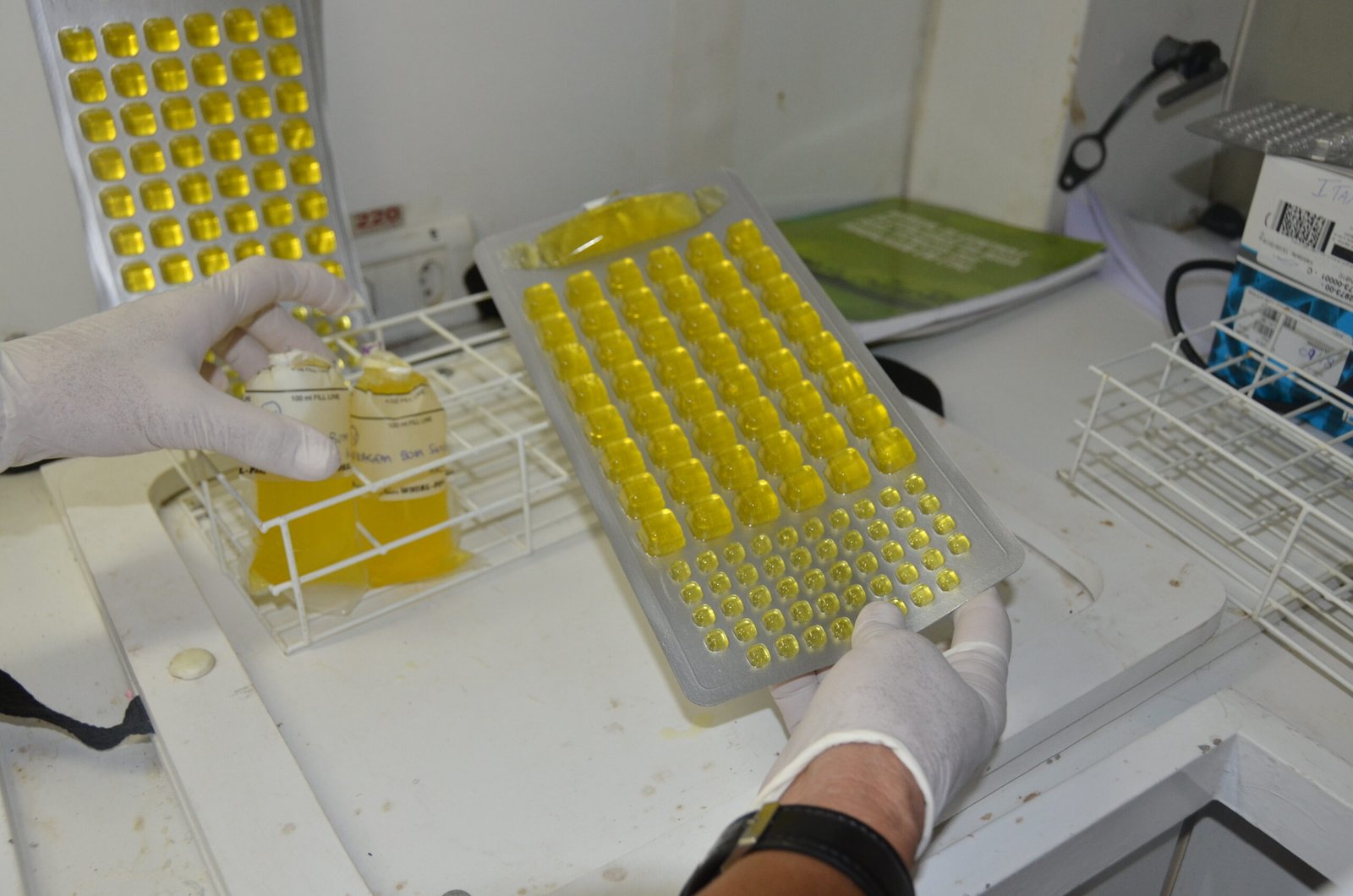
    Laboratory technician examining microbiological water test trays during coliform testing in an accredited laboratory

    How to Verify Certifications in Ten Minutes

    Verification is the step buyers skip, and the step that catches the most trouble. Every legitimate certification can be checked independently, usually without asking the supplier for anything further.

    What to ask for What it proves Red flag
    Certificate copy with certificate number, and the certifying body’s name and logo The standard, issue date, and expiry date No number or expiry, or a generic “ISO” logo with no accredited body named
    The certificate scope and the site address named on it That certification covers the plant bottling your product, not a head office or another unit Scope saying “trading” or “marketing” when you are buying manufactured product
    Certifying body’s accreditation (IAF member, UKAS, or equivalent) That the auditor itself is accredited to issue the certificate An unaccredited “certification company” with no national accreditation behind it
    Independent lookup of the certificate number on the certifying body’s website That the certificate exists, is in the stated name, and is currently valid A supplier deflecting to a PDF instead of a live lookup
    Latest surveillance-audit confirmation That the system is maintained, not just certified once A certificate issued three years ago with no audit evidence since
    Recent test reports from a NABL or ISO/IEC 17025-accredited laboratory, with parameters and results That the water actually meets the claimed spec — pH, TDS, microbiology, chemistry No laboratory name, no method, no sample date, or sample dates older than 12 months
    FDA facility registration number and US agent (if supplying the US) That the facility is legally registered for that market A supplier presenting an “FDA certificate”

    Two habits make this painless: put the certificate and report requirements directly into your RFQ document so every supplier answers the same checklist, then verify the two or three shortlisted suppliers yourself by lookup rather than trusting the documents they send. The structured version of this process is in our 8-point vendor checklist.

    What the Certification Stack Buys the Brand Owner

    • You inherit an audit trail instead of an audit burden. When your own customers — a hotel group’s quality team, a corporate procurement audit, an airline caterer, a retail chain’s supplier questionnaire — ask for food-safety assurance, you answer with documentation rather than a promise.
    • The claims on your label become defensible. If your bottle says “alkaline pH 8+” or carries a mineral profile, that claim must survive scrutiny. Accredited-lab test reports produced under a certified testing programme are what make it safe to print; without them, one complaint or regulatory sample turns a marketing line into a liability. The underlying spec is explained in our post on what pH 8+ alkaline water actually means.
    • Export becomes an option rather than a rebuild. The same four certifications are the baseline documentation importers in the UAE, UK, Singapore, and Vietnam ask for, since each importer must satisfy its own regulator. See our export guide for those four markets, and for one worked example, the Emirates Quality Mark explainer.
    • Recall and insurance exposure shrink. A documented recall procedure, batch-to-delivery traceability, and tested corrective action make a bad batch a contained operational event rather than an open-ended reputational one.

    Certifications Are Plant-Level, Whatever the Format or the Label

    Two structural points confuse buyers, and both matter. First, format: the food-safety system, quality system, and HACCP controls cover the plant and its processes regardless of whether your product runs in can, PET, glass, or PLA; packaging-specific duties (food-contact compliance, closure integrity, filling hygiene) sit alongside them. That is why one manufacturer certified across its processes and able to run 200ml to 20L gives you a single auditable relationship instead of four suppliers.

    Second, ownership: ISO 22000, ISO 9001, HACCP, and FDA registration attach to the operating facility. In a true private label arrangement your brand owns the product and often the manufacturer’s name does not appear on the label, so your customers, regulator, and insurer will still look to the plant’s documentation for assurance. If your supplier is a trading or marketing company with no plant, the certification you need to see belongs to the actual manufacturer — and you should know who that is before you commit. The two models are compared in our private label vs. white label guide, and the procurement-side view for hospitality buyers is in our hotel procurement guide.

    Frequently Asked Questions

    Is ISO 22000 the same as HACCP? Do I need both?

    No. HACCP is a hazard-control methodology — the seven Codex principles applied at each process step. ISO 22000 is a full food-safety management system standard that incorporates HACCP principles and adds management-system requirements such as policy, planning, verification, and improvement. A manufacturer holding both has the methodology and the management framework, which buyers generally treat as stronger than either alone.

    Is a company “US FDA certified”?

    No — and a supplier using that phrase is telling you how carefully it reads its own compliance. The FDA is a regulator, not a certification body. For bottled water it requires foreign facilities to register with a US agent, applies CGMP rules for processing and bottling (21 CFR Part 129) and a quality standard (21 CFR 165.110), and under FSMA places supplier-verification duties on the US importer through the Foreign Supplier Verification Program. The correct evidence is the registration number, US agent details, and compliance records — not a certificate.

    Do I need to re-verify certifications after onboarding a manufacturer?

    Yes, on a schedule. ISO certificates run on three-year cycles with annual surveillance audits and can be suspended or withdrawn mid-cycle, so checking the certifying body’s online record at least annually — and before a major campaign or new-market launch — is good practice. Request updated test reports at the same time, since those have their own validity horizon (12 months is a common benchmark).

    What if my supplier won’t share audit or test documentation?

    Treat that as a decision, not a delay. A manufacturer with genuine certification shares scopes, certificate numbers, and recent accredited-lab reports as a matter of routine — it is a sales asset. Refusal usually means the certificate covers another entity, has lapsed, or the testing records do not exist in the form you are asking for. In a category where a safety failure becomes your brand’s problem, that is the supplier you walk away from.

    Does a certification stack cost me more per bottle?

    Certified manufacturers are not automatically the most expensive, but they are rarely the cheapest quote in a tender: you are paying for the audits, laboratory testing, quality staffing, and process discipline behind the certificate. The comparison that matters is not certificate versus no certificate — it is the cost of a recall, delisting, or failed customer audit against a small per-unit premium, which is why most B2B buyers treat certification depth as a qualification criterion before comparing prices.

    Which certifications matter most if I plan to export?

    For the UAE, UK, Singapore, and Vietnam, the same four are the practical baseline: ISO 22000 and HACCP for the food-safety system, ISO 9001 for process consistency, and FDA registration as a recognised signal of regulated-market compliance. Each destination then layers its own requirements — Emirates Quality Mark documentation in the UAE, UK food-safety and labelling rules, Singapore’s SFA import documentation including source information, and Vietnam’s self-declaration and accredited-lab-report regime.

    Can a brand owner hold the certification instead of the manufacturer?

    Not for the plant. ISO 22000, ISO 9001, HACCP certification, and FDA facility registration attach to the operating facility and its processes. A brand owner can hold separate certifications of its own business, but they do not substitute for the plant-level evidence your customers will ask for — which is the practical reason to deal with a manufacturer rather than an intermediary when you plan to scale.

    The Bottom Line for Brand Owners

    Certification is not paperwork that proves a supplier is pleasant to work with; it is the difference between a brand owner who can demonstrate control over a food-safety product and one who is trusting a price list. Ask which standard, which accredited body, which site, in force until when. Verify the numbers yourself. Request current accredited-laboratory reports. And treat an “FDA certified” claim as a small but telling accuracy failure.

    Do that, and supplier comparison becomes genuinely objective — and the manufacturers that come out of it well are the ones you can scale with.

    Muscular Monk’s Himalayan mineral water is bottled at source with a natural pH of 8+ and TDS of 220–280 ppm, under ISO 22000, ISO 9001, US FDA registration, and HACCP certification, across can, PET, glass, and PLA formats from 200ml to 20L, for 500+ brands across 50+ Indian cities and export markets. Ask us for our certification pack — certificate scopes, surveillance-audit confirmation, and current lab reports — request free samples for your format and spec, or talk to our team about a private label programme sized to your volumes.

  • Bottled Water Import Requirements in the UAE: Emirates Quality Mark (EQM) & ESMA/MOIAT Certification Explained

    Bottled Water Import Requirements in the UAE: Emirates Quality Mark (EQM) & ESMA/MOIAT Certification Explained


    Woman drinking natural mineral water outdoors with Himalayan mountains in the background

    Start Your Own Water Brand

    Pan-India private label mineral water. Low MOQ, fast turnaround, 4 packaging formats.

    Get Free Consultation


    Bottled Water Import Requirements in the UAE: Emirates Quality Mark (EQM) & ESMA/MOIAT Certification Explained

    The UAE is the single most water-hungry market on earth per capita, and it is also one of the most tightly regulated places to sell bottled water. If you are a UAE importer, distributor, hotel group or retail brand owner looking at a private-label mineral water programme sourced from India, the whole project hinges on one question: can the product legally carry the Emirates Quality Mark (EQM) — and can your manufacturer produce the documentation that gets you there?

    This guide is written for the buyer side of that transaction: importers and trading houses in Dubai, Sharjah and Abu Dhabi, HORECA procurement teams, and brand owners evaluating an OEM/private-label water supply from India. It explains what EQM is, who regulates it today, exactly which documents a UAE registration actually needs, who supplies each of them, what it costs, and how India–UAE CEPA changes the landed economics. It is part of our wider complete export guide to importing private-label mineral water from India, which also covers the UK, Singapore and Vietnam.

    Direct answer: Since October 2014, every bottled drinking water and natural mineral water product sold in the UAE — locally produced or imported — must be registered and carry the Emirates Quality Mark. The mark is issued by the UAE’s federal regulator for standards and conformity (the authority formerly known as ESMA, now part of the Ministry of Industry and Advanced Technology, MOIAT), under the Scheme to Control Water No. 26 of 2013. In practice the applicant is the UAE-side legal entity (importer, distributor or manufacturer) holding a valid UAE trade licence; the product must comply with UAE.S GSO 1025 for bottled drinking water, be tested by an accredited laboratory, and be supported by the manufacturer’s food-safety documentation — a controlled QMS/HACCP manual, a described manufacturing process, plant layout, labelling that meets UAE requirements, and a quality control plan. Bottled water arriving in the UAE without EQM registration is treated as non-compliant and can be rejected at the port or pulled from shelves.

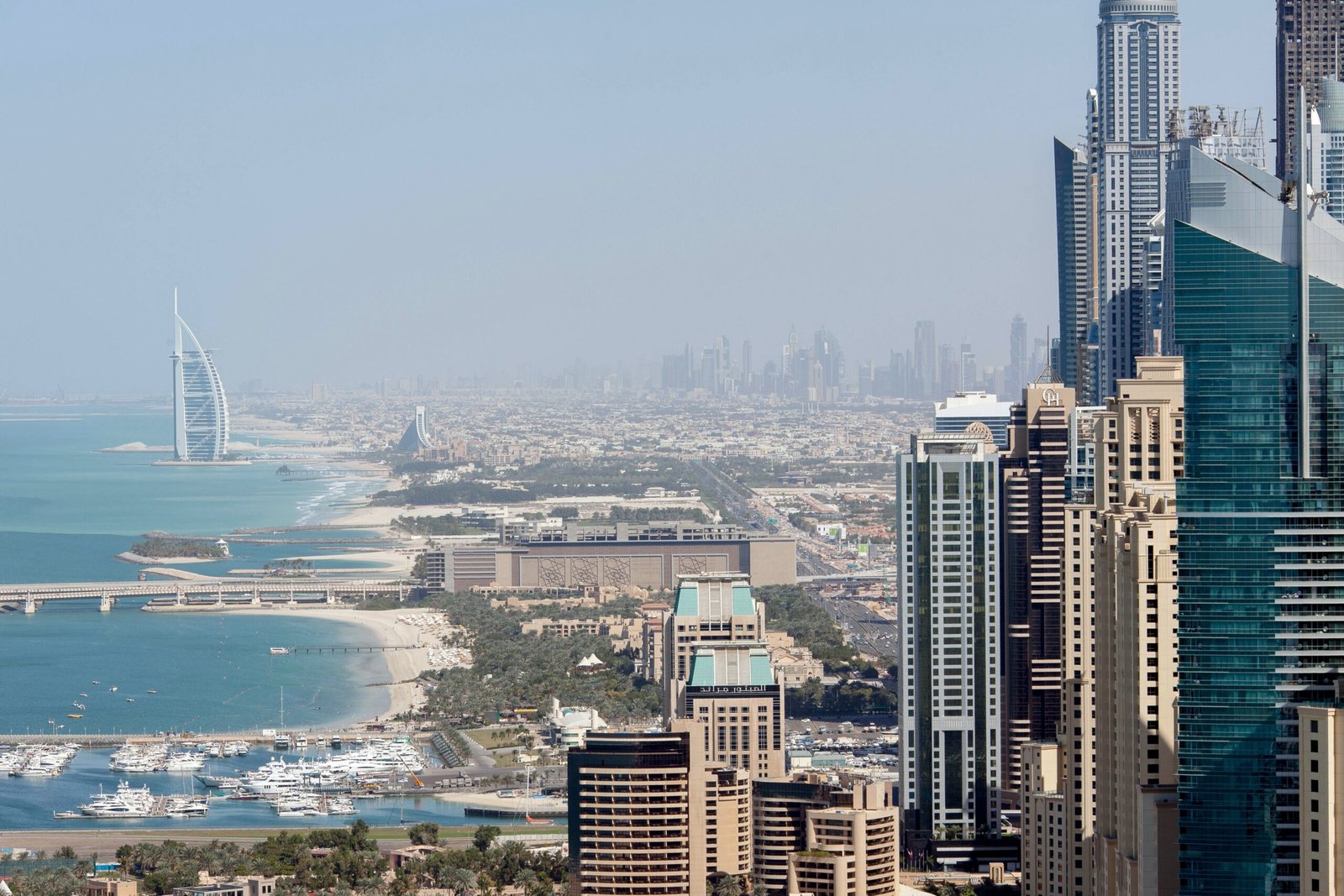
    Dubai skyline and coastline with the Burj Al Arab, the hospitality market for imported private label bottled water

    What the Emirates Quality Mark Actually Is

    EQM is not a test result and not a licence to trade — it is a national conformity mark. It is granted to a specific product manufactured in a factory whose quality management system has been reviewed and which applies documented quality assurance procedures, including factory audits. That distinction matters commercially: EQM tells a UAE distributor or hotel group that an independent federal authority has looked at the manufacturing system behind the bottle, not just at a single sample of water.

    For an importing brand, that is exactly the reassurance you are buying. EQM is what makes it possible for a UAE retailer or hotel chain to stock your label without taking on the entire food-safety risk itself. It is also why a manufacturer who cannot support an EQM application is effectively locked out of mainstream UAE retail and institutional channels, no matter how good the water is.

    The Regulation Behind the Mark: Scheme to Control Water No. 26 of 2013

    The framework is the UAE’s Scheme to Control Water No. 26 of the year 2013, which extended product-registration and conformity requirements to drinking water. Bottled water and ice products were brought fully into scope in October 2014, when EQM became mandatory for both locally produced and imported bottled water. If you are evaluating a supplier whose team still describes UAE water compliance as a “nice-to-have”, they have not sold into the market recently.

    Bottled drinking water and natural mineral water are not the same product

    UAE rules separate two categories, and the category drives which standard applies:

    • Bottled drinking water — treated drinking water intended for human consumption, bottled in tightly sealed containers and meeting the requirements of UAE.S GSO 1025.
    • Natural mineral water — water obtained directly from a natural or drilled underground source, protected from pollution, with stable mineral and chemical characteristics; it is distinguished from ordinary drinking water and carries its own standard.

    This matters because a genuinely sourced mineral water — bottled at source, with a stable natural mineral profile — is a different compliance story from a municipal-water product that has been filtered and bottled. Muscular Monk’s water is a Himalayan source product bottled at the source, naturally alkaline at pH 8+ with a stable natural TDS of 220–280 ppm, which is what lets a UAE partner present it as a premium mineral water rather than a commodity bottle of treated water. (The commercial value of that spec is covered in what pH 8+ alkaline water means for a private-label brand.)

    ESMA is now MOIAT — what actually changed for importers

    Most guides online still refer to ESMA, the Emirates Authority for Standardization and Metrology, as the authority issuing EQM. The UAE restructured federal oversight and ESMA’s functions now sit within the Ministry of Industry and Advanced Technology (MOIAT), which publishes and administers the national conformity-mark services, including licence issuance for use of the Emirates Quality Mark. Practically, for an importer this means: applications and payments go through MOIAT’s digital services platform, published fee schedules come from MOIAT, and any registration agent you engage should be operating on the current system. When a supplier’s compliance pack still quotes old ESMA procedures, treat it as a sign they have not run a UAE registration recently.

    The EQM Documentation Checklist: Who Provides What

    This is where import projects actually stall. The applicant is the UAE entity, but a large part of the dossier can only come from the manufacturer. Use the table below as a working split of responsibilities before you commit to a supplier — a manufacturer who can hand you the right-hand column quickly is worth more than one who quotes a few fils cheaper per bottle.

    What the registration needs Usually provided by What a well-prepared Indian manufacturer supplies
    Valid UAE trade/industry licence UAE importer / distributor —
    Accredited laboratory test report on the product Applicant arranges; manufacturer supports Current third-party lab reports on pH, TDS, mineral profile and microbiological parameters
    Controlled copy of QMS / HACCP manual Manufacturer ISO 22000 and ISO 9001 certificates, HACCP documentation, and the plant’s food-safety manual
    Description of the manufacturing process Manufacturer Documented source-to-bottle process, including “bottled at source” plant description
    Plant equipment layout Manufacturer Plant drawings for the filling and packing lines in scope
    Vicinity map of the factory Manufacturer Site and surrounding-area map evidencing source protection
    Label compliance (Arabic + English, shelf life, mark placement) Applicant + manufacturer Bilingual artwork readiness, correct product-category wording, format-specific label files
    Quality control plan Manufacturer In-process QC plan, batch coding and traceability documentation
    Evidence of approval from other conformity bodies Manufacturer US FDA registration, ISO certificates, HACCP — the stack that de-risks the review
    Distributor ownership evidence (traders) UAE applicant —
    Electronic declaration of conformity UAE applicant Technical inputs to complete it
    Laboratory technician testing water quality for an accredited bottled water test report

    Two observations for buyers. First, notice how much of this list is a food-safety management system, not a water sample. A manufacturer with ISO 22000, ISO 9001, US FDA registration and HACCP already has the substance of these documents by default; one without them has to build them for your application. Second, the label row is the quiet killer: Arabic-and-English labelling with correct category wording and shelf-life declaration is mandatory, and artwork that ignores it will be rejected. Confirm bilingual artwork capability with your supplier before you commission packaging design.

    EQM Registration and Shipment Clearance Are Two Separate Hurdles

    New importers often assume that once the product is registered, the process is over. It is not — registration and consignment clearance are different gates, and both need to be closed before your first container lands.

    • Product registration / EQM licence (one-time, per product). The UAE-side applicant registers the product and obtains the right to use the mark on the label. This is a dossier-and-audit exercise and it takes as long as the dossier quality dictates.
    • Consignment / shipment clearance (every order). Each shipment must be accompanied by the correct commercial and conformity documents, and the labelling on the actual bottles must match the approved artwork. Discrepancies between the registered label and the shipped label are the most common cause of a hold at the port, and a hold on a water container in a UAE summer is an expensive way to learn this.

    For a private-label brand owner there is a third layer worth planning for: your own branding must be accommodated inside the compliant label specification. Standardised artwork templates from a manufacturer that has run UAE-destined private label before — rather than bespoke designs invented from scratch — are a real time-saver.

    Cost and Timeline: What EQM Registration Realistically Takes

    MOIAT publishes fee line items rather than a single all-in price, and the total depends on how many products and certificates are in scope and whether a factory assessment is required. As reviewed on MOIAT’s published schedules in 2026, the national conformity-mark service includes approximately AED 2,000 for a three-year mark licence, around AED 670 for a conformity certificate where applicable, and AED 2,500 per assessor per working day where a technical assessment is conducted. Laboratory testing, translation, document preparation, assessor travel expenses and professional/agent support are separate costs.

    Treat those figures as planning magnitudes, not a quotation: fees, service scope and discounts change, and MOIAT has run promotional support measures for licence holders, so confirm current amounts on MOIAT’s service pages or with your registration agent before you build a budget.

    Cost / time driver What influences it How to reduce it
    Conformity mark licence and certificates Number of products/SKUs and formats in scope Register the formats you will actually sell first; add SKUs later
    Technical assessment (if required) Whether a site assessment is scheduled, and how many assessor days A manufacturer already audited under ISO 22000/HACCP presents far fewer open findings
    Laboratory testing Parameters, number of samples, lab chosen Reuse a current accredited report where the validity window allows
    Label and artwork compliance Bilingual Arabic/English artwork, shelf-life and category wording Use supplier artwork templates already used for UAE shipments
    Agent/consultancy support Whether you run the application in-house Ask your manufacturer for the technical pack; use an agent for the filing only

    The single biggest swing factor is the manufacturer’s existing certification stack. Where a supplier already holds ISO 22000, ISO 9001, US FDA registration and HACCP, the dossier is largely a matter of compiling documents that exist. Where it does not, every one of those gaps becomes your cost and your delay. We break the certifications down individually — and what each one maps to in each import market — in our certification stack explainer.

    Duty, Freight and the India–UAE CEPA Advantage

    The commercial case for sourcing from India rests on more than price. Since the India–UAE Comprehensive Economic Partnership Agreement took effect on 1 May 2022, the UAE has removed customs duties on the large majority of tariff lines covering Indian exports, including elimination on the bulk of eligible goods from day one, with the remainder phased out over a ten-year schedule. Bottled water under HS 2201 has historically entered the UAE at low or zero duty, and imports are an established, structural part of the UAE market — premium still and sparkling water, mineral water and specialty functional waters make up a meaningful share of market value, largely serving hospitality, fine dining, gifting and premium household demand.

    Two practical notes. First, preferential treatment under CEPA requires the rules of origin to be met and documented — typically a 40% value-addition threshold with a Certificate of Origin filed through the electronic CoO platform — so build origin documentation into your first order rather than reconstructing it later. Second, confirm the exact tariff and any preferential rate for your specific HS code and product with your customs broker at quotation stage; the applicable rate depends on origin treatment and product classification.

    On the logistics side, the India–UAE corridor is one of the shortest and best-served export routes from India, with regular sailings into Jebel Ali and Sharjah and short transit times relative to Europe or North America. For bottled water, where freight is a large share of landed cost because of weight, that proximity is a structural advantage — and it improves further when the manufacturer can pack efficiently across formats, from 200ml PET and aluminum cans up to 20L jars.

    Choosing a Private-Label Supplier for the UAE: Three Archetypes

    UAE water supply effectively splits into three supplier types, and only one of them can put your brand on a genuinely custom product.

    Supplier archetype UAE examples (illustrative) What it means for a private-label buyer
    Closed national brand Masafi, Al Ain Water (Agthia), Mai Dubai, Al Bayan, Nestlé Pure Life Excellent quality systems and distribution, but built around their own brands. No genuine OEM route: where “custom labels” exist in this segment, they are typically third-party sticker or overlay services applied to existing retail stock, not a production run of your own product with your own specification.
    Local private-label bottler UAE-based contract bottlers such as AR Green, offering short-run PET and glass private-label formats Real OEM capability with local responsiveness and no import process. Constraints are usually format range (short-run 150ml–750ml being typical) and product spec — local bottled water rarely carries a distinctive source story.
    Certified export manufacturer Indian private-label mineral water manufacturers with a full certification stack Full custom production (choice of bottle, cap, label and specification), wide format range from 200ml to 20L across PET, glass, can and PLA, internationally recognised certifications, and zero-duty access under CEPA — with the trade-off of an import and registration process to run.

    “In the UAE, the compliance work is unavoidable for everyone. The real question is not whether you will run an EQM registration — it is whether the manufacturer you choose hands you a dossier that closes quickly, or one you spend six months assembling.”

    UAE market investment is worth noting here too: Agthia expanded its UAE bottling footprint with the acquisition of Riviere Mineral Water’s facilities in 2025, and Mai Dubai has commissioned high-speed PET capacity — evidence that the majors are defending volume rather than opening OEM lines. The gap they leave is exactly the private-label, own-specification opportunity, and it is where an import-sourced programme competes.

    Why a Certified Indian Manufacturer Fits a UAE Private-Label Strategy

    Muscular Monk is a Himalayan-source private-label mineral water manufacturer supplying 500+ brands across 50+ Indian cities, with a certification stack of ISO 22000, ISO 9001, US FDA registration and HACCP. For a UAE buyer, that stack does specific work rather than generic work: it supplies the QMS/HACCP documentation the EQM dossier needs, it evidences the kind of audited food-safety system MOIAT assessments are designed to test, and it gives your own brand a defensible compliance story to put in front of UAE retail and HORECA clients.

    The product side compounds it. Water bottled at source, naturally alkaline at pH 8+ with a natural TDS of 220–280 ppm, is a spec you can build a premium mineral water story on — for a luxury Dubai hotel, for in-room amenity placement, for a gifting line, or for a shelf position that competes with imported European premium waters rather than with commodity local bottles. The format range (aluminum cans, PET, glass and PLA from 200ml to 20L) matters in the UAE specifically: glass for hotel dining rooms and gifting, cans for events and ESG-conscious venues, PET for volume distribution and HORECA, 20L for back-of-house. If your programme is hospitality-led, the procurement logic in our guide to bulk water supply for hotels translates directly to UAE hotel operations, and the export-track plans for hospitality groups across the UAE, UK and Singapore are covered in [Internal link: link to future export hospitality vertical post].

    Nothing here replaces local due diligence — appoint a UAE entity to hold the registration, use an agent who files on the current MOIAT system, and confirm current fees and service scope before committing. The point is that a manufacturer with the certification stack and provenance story in place removes most of the risk on the side of the transaction you cannot control.

    Frequently Asked Questions

    Is the Emirates Quality Mark mandatory for imported bottled water in the UAE?

    Yes. Since October 2014, bottled drinking water and natural mineral water sold in the UAE — whether locally produced or imported — must carry the Emirates Quality Mark. Bottled water without valid EQM registration is treated as non-compliant and can be rejected at the port or withdrawn from the market.

    Who applies for EQM — the importer or the manufacturer?

    The applicant is normally the UAE-side legal entity, such as an importer, distributor or local manufacturer holding a valid UAE trade licence. The manufacturer still has to supply most of the technical dossier: the QMS/HACCP documentation, manufacturing process description, plant layout, vicinity map, quality control plan and certified evidence such as ISO 22000, ISO 9001 and US FDA registration.

    Is ESMA or MOIAT the authority for EQM now?

    MOIAT. The Emirates Authority for Standardization and Metrology (ESMA) was restructured into the UAE’s Ministry of Industry and Advanced Technology, which now administers the national conformity-mark services including the Emirates Quality Mark licence. Applications and published fees run through MOIAT’s digital services platform.

    How much does UAE EQM registration cost?

    MOIAT publishes fee line items rather than an all-in price. As reviewed in 2026, the published national conformity-mark service includes roughly AED 2,000 for a three-year mark licence, around AED 670 for a conformity certificate where applicable, and AED 2,500 per assessor per working day for a technical assessment where conducted — plus laboratory testing, translation, documentation and any agent support. Confirm current amounts and service scope with MOIAT or your registration agent before budgeting.

    What is the difference between ECAS and EQM for bottled water?

    Both are UAE conformity routes administered by MOIAT. ECAS is the product conformity assessment scheme, and EQM is the national quality mark (the mark consumers and buyers actually look for on the label). Bottled water and natural mineral water specifically sit under the water control scheme, which requires registration and the Emirates Quality Mark for products placed on the UAE market.

    How long does it take to get a UAE-registered private-label water product to market?

    It depends on dossier completeness and whether a technical assessment is scheduled. The fastest path is a manufacturer that already holds ISO 22000, ISO 9001, US FDA registration and HACCP, with current accredited lab reports and UAE-compliant bilingual artwork templates — in that case the registration is largely a compilation exercise. Expect materially longer where documentation must be created or non-conformities closed after an assessment.

    Does India–UAE CEPA mean zero duty on bottled water imports?

    CEPA, in force since 1 May 2022, saw the UAE remove duties on the large majority of tariff lines covering Indian exports, and bottled water under HS 2201 has historically entered at low or zero duty. Preferential treatment requires rules-of-origin compliance (typically 40% value addition) and a valid Certificate of Origin. Confirm the exact applicable rate and treatment for your HS code with a customs broker.

    Can a UAE hotel or retail brand get its own label on Indian mineral water?

    Yes — that is precisely the private-label model. You choose the format (glass for dining and gifting, cans for events, PET for volume, 20L for back-of-house), the specification, and the artwork, and the manufacturer produces the run under your brand. The two things to pin down early are minimum order quantity for your chosen format and bilingual UAE-compliant artwork.

    Next Step: Get the Compliance Pack Before You Commit

    The practical move is to test your shortlisted manufacturer on documents rather than price. Ask for the certification pack, a current accredited lab report, the QMS/HACCP summary and evidence of previous UAE or GCC shipments. A supplier who can produce that quickly is a supplier whose EQM registration will close quickly.

    Request our documentation pack and free samples of Himalayan mineral water in the formats your UAE programme needs, talk to our export team about private-label volumes, artwork and lead times into Jebel Ali or Sharjah, or get a custom export quote with CEPA-compliant origin documentation. If you have not yet mapped the full regulatory picture across markets, start with our complete export guide for the UAE, UK, Singapore and Vietnam, and for the manufacturing fundamentals see private label mineral water manufacturing in India, explained.

  • Bulk Packaged Drinking Water Supply for Hotels: A Procurement Guide

    Bulk Packaged Drinking Water Supply for Hotels: A Procurement Guide


    Woman drinking natural mineral water outdoors with Himalayan mountains in the background

    Start Your Own Water Brand

    Pan-India private label mineral water. Low MOQ, fast turnaround, 4 packaging formats.

    Get Free Consultation


    Bulk Packaged Drinking Water Supply for Hotels: A Procurement Guide

    Water is one of the few line items that touches every single guest a hotel hosts — the welcome bottle in the room, the carafe on the restaurant table, the cans at a conference, the jars in the staff canteen and kitchen. Get it wrong and guests notice; get it right and almost no one notices, which is exactly the point. Yet most hotel procurement managers inherit their water supply from whoever the previous F&B head signed up with, and rarely revisit the decision until something breaks: a delivery missed on a peak weekend, a guest complained about a plastic aftertaste, or the sustainability committee asked why the property is still shipping thousands of single-use bottles to landfill.

    This guide is written for the people who actually own that decision — hotel F&B and procurement managers, cluster purchasing heads, and hospitality groups standardising supply across multiple properties. It covers how to think about volume, formats, cost, certifications, and supplier selection so you can run a proper water procurement process instead of renewing a contract on autopilot.

    Direct answer: Bulk packaged drinking water supply for hotels means contracting a manufacturer or supplier to deliver packaged water at volume — typically 200ml PET and cans for meetings and events, 500ml–1L PET for general service, 750ml–1L glass bottles for fine dining and in-room premium placement, and 20L jars for kitchens, back-of-house, and staff areas — on a recurring schedule sized to the property’s occupancy and event calendar. The right supplier is not simply the cheapest per bottle: for a hotel, the deciding factors are consistent quality (verifiable pH/TDS and lab reports), certification depth (ISO 22000, ISO 9001, US FDA, HACCP), format range, delivery reliability across the property’s location, and the ability to private-label the water with the hotel’s own brand at a low enough minimum order quantity to be practical.

    Waiter serving mineral water in a glass at a hotel restaurant table

    If you are new to the manufacturer side of this decision, start with our complete guide to private label mineral water manufacturing in India — it explains sourcing, certifications, formats, and how the private-label model actually works. This post assumes you know you need water at volume and focuses on the procurement process itself.

    Why Hotels Buy Water Differently From Every Other Buyer

    A hotel is not one customer. It is half a dozen consumption points with completely different requirements, and a good procurement plan separates them rather than buying one SKU for everything.

    • In-room / guest amenity: The bottle (or glass-bottle carafe) in the room. This is the property’s most visible water touchpoint — it sits on the desk or bedside table through the whole stay and is the single best private-label placement a hotel has. Premium and luxury properties increasingly favour glass here for both presentation and sustainability optics.
    • Restaurants & F&B outlets: The water served at table. Fine-dining outlets want glass and a mineral-water story to upsell; all-day dining and cafés need volume PET or jugs. Some properties also sell branded still/sparkling mineral water from the menu as a revenue line.
    • Banquets, conferences & events: The highest-volume, most spiky demand. Weddings, conferences, and banquets consume water by the hundred or thousand per event, mostly in 200ml PET or cans for meeting setups and 500ml for banquet tables. This is where running out hurts most, because it is visible to an event host.
    • Kitchens & back-of-house: Cooking, prep, and staff drinking water — 20L jars or a filtered line, bought on the most utilitarian terms.
    • Gyms, spas & pools: Wellness areas, which increasingly want a premium alkaline or functional-water story that matches the spa’s positioning.
    • Corporate & meeting-room floors: Building-wide meeting-room stock, often on standing monthly orders.

    Because these points differ, a single “cheapest bottle” decision is almost always the wrong one. The in-room and fine-dining placements justify a premium format and an actual brand story; banquet and back-of-house volumes should be optimised on price and reliability. The procurement skill is in mapping each consumption point to the right format and supplier tier — which is what the rest of this guide does.

    Planning Volume: What a Hotel Actually Needs

    Before you talk to any supplier, sketch your own demand. The table below is a practical starting framework — actual numbers depend on room count, occupancy, and how busy your banquet and F&B operations are, but the shape of the requirement is consistent across properties.

    Consumption point Recommended format Buying pattern What matters most
    In-room / guest amenity 500ml–1L glass bottles or premium PET Standing order, sized to occupancy Presentation, brand fit, sustainability optics
    Fine-dining restaurant 750ml–1L glass, still & sparkling Standing order + menu upsell Mineral profile story, glass quality
    All-day dining, cafés, room service 500ml–1L PET Weekly/bi-weekly replenishment Price per litre, consistent quality
    Banquets, conferences, events 200ml PET or aluminum cans; 500ml banquet tables Spiky — pre-planned per event Surge capacity, delivery reliability, fast reorder
    Kitchens & back-of-house 20L jars, or a filtered line for cooking Recurring, cost-driven Lowest cost per litre, hygiene compliance
    Gyms, spas & wellness Alkaline PET/can, glass for spa Recurring, smaller volumes Product spec (pH, minerals) matching spa positioning
    Corporate / meeting rooms 200ml–500ml PET, cans Standing monthly order Consistency, packaging aesthetics

    Two planning habits separate hotels that never run dry from those that do. First, size standing orders to your peak seasonal occupancy, not your average — a property that is 60% full in the off-season and 95% full in high season should not be ordering off the off-season number. Second, treat banquet and event demand as a separate, forecast-driven stream: most missed-delivery crises in hotels are not slow-moving in-room stock, they are a banquet that suddenly needs 1,200 bottles for tomorrow.

    Choosing the Right Format for Each Use Case

    Format choice is where a lot of hospitality value is created or quietly destroyed. Four formats dominate B2B hotel supply, and each has a clear best-fit.

    Glass bottles — fine dining, in-room premium, spa

    Glass is the format that signals premium most unmistakably. It is the natural choice for fine-dining service, luxury in-room amenity, and any spa or wellness outlet selling a premium hydration story. The trade-offs are weight, breakage risk, and cost per unit — which is why glass belongs at the high-value, low-volume consumption points, not at every table in the banquet hall. A mineral-water brand with a genuine source story (Himalayan origin, naturally alkaline, measurable mineral profile) is worth far more on a glass bottle than a generic purified product, because the glass is where guests actually read the label.

    PET bottles — general service, banquets, volume

    PET remains the workhorse of hotel water supply: cheap, light, safe, and available from 200ml up to 1L and beyond. Use it for all-day dining, room service, banquet tables, and meeting rooms. The procurement focus here is cost per litre and consistency — and, increasingly, recycled content (rPET) for properties with sustainability commitments. Ask any PET supplier for their rPET percentage and recyclability documentation if ESG reporting matters to your group.

    Aluminum cans — events, conferences, sustainability-led properties

    Canned water has moved from novelty to a genuine category, and it fits hotels well: cans chill fast, are infinitely recyclable, are lighter to transport than glass, and read as contemporary and sustainability-forward. They are excellent for conference setups, event delegate packs, gyms, and any property whose brand leans modern or eco-conscious. A can also photographs well — which matters if your marketing team wants on-brand imagery from events.

    20L jars — kitchens, back-of-house, staff areas

    The utilitarian workhorse. Used for staff drinking water, kitchen use, and any area where lowest cost per litre beats presentation. Bought on pure reliability and hygiene terms; the format is standard enough that supplier choice comes down to delivery dependability and price.

    “For a hotel, the water in the guest’s hand is the cheapest brand touchpoint you have and the most visible one. Buy the formats your guests actually notice on brand, and buy the formats nobody notices on cost.”

    Evaluating a Bulk Water Supplier: The Hotel Procurement Checklist

    Once you know your volumes and formats, supplier selection is about de-risking. A hotel cannot afford a water safety issue — it is a brand event, not a purchasing inconvenience. Work through these points with every candidate:

    • Certification depth. ISO 22000 (food safety management), ISO 9001 (quality management), US FDA registration, and HACCP certification are the meaningful markers. A supplier holding all four has documented, auditable processes; a supplier with only a basic licence is asking you to take their word for it. We break down exactly what each certification verifies in our certification-by-certification guide, and if your group also runs properties or brand ambitions abroad, the same certification stack is what importers in the UAE, UK, Singapore, and Vietnam look for — see our export guide for those markets.
    • Source and product specification. Know where the water comes from and what is actually in it. “Bottled at source” should mean the plant sits at the source, not that water was tankered into a city facility. Ask for the pH and TDS (total dissolved solids) values and the mineral breakdown — a water with a natural mineral profile and stable pH is a product you can build an in-room story around. Muscular Monk’s water, for reference, is bottled at source, naturally alkaline at pH 8+ with a natural TDS of 220–280 ppm. (For why that spec matters, see what pH 8+ alkaline water really means.)
    • Current lab reports. Any credible supplier will share recent third-party test reports on request. A supplier who hesitates here is a supplier to walk away from — no matter how competitive the price.
    • Format range. Can one supplier cover your glass, PET, can, and 20L needs, or are you managing five vendors? A manufacturer with a full 200ml–20L range across can/PET/glass/PLA removes a lot of operational overhead.
    • Minimum order quantity (MOQ) and flexibility. This is where big national brands fall down for mid-size properties. Ask for the MOQ on your specific private-label SKU and how much flexibility exists on reorder sizes — you want a supplier that can start you at a workable volume rather than demanding a container-load.
    • Delivery footprint and reliability. Can they actually deliver to your property’s city, on your schedule, on peak weekends? Ask for their delivery lead time, their track record in your region, and references from comparable properties. For multi-property groups, ask whether supply can be coordinated across cities under one contract.
    • Private-label capability. If you want your hotel’s logo on the bottle — and you should, at least for in-room and fine-dining — confirm the supplier handles artwork, labelling, and approval, and at what MOQ and lead time. The private-label vs. white-label distinction trips a lot of buyers up; the decision framework is in our private label vs. white label comparison.
    • Pricing transparency. Ask for a clear price per unit at your volumes, what drives the price (format, volume, delivery distance, labelling), and how it scales. Vague “contact us for pricing” responses make it impossible to build a realistic budget.
    Bottled mineral water on a hotel dining table setting

    Cost, Quality, and the Three Types of Water Supplier

    Hotel buyers effectively choose between three supplier archetypes, and they behave very differently on the cost/quality/reliability axes.

    Supplier type Typical strength Typical weakness for a hotel
    National branded reseller (Bisleri/Kinley-type distribution) Ubiquity, brand recognition, easy emergency top-ups No private label — you cannot get your own logo on the bottle; premium price; zero format flexibility
    Regional/city private-label bottler Custom branding, local responsiveness, competitive pricing Limited delivery footprint (one city/region), often thinner certification and format range
    Pan-India certified private-label manufacturer Custom branding at low MOQ, full format range (can/PET/glass/PLA, 200ml–20L), full certification stack, multi-city delivery Requires a real procurement conversation up front (volumes, formats, artwork) rather than an off-the-shelf order

    For most hotels the sweet spot is the third category, precisely because it combines what the first two each lack: the private-label capability of the regional bottler without its geographic limits, and the certified reliability of the national brand without its refusal to put your logo on the bottle. The matrix is also a useful negotiating frame — knowing which archetype a quote came from tells you immediately whether you are comparing like for like.

    A caution on cost: the cheapest quote is frequently the most expensive decision. Water is a food-safety product; a supplier who undercuts everyone is usually saving money on testing, certification, or source control — the exact places a hotel cannot afford a shortcut. Price the risk, not just the bottle.

    Where a Private-Label Water Programme Pays Off for a Hotel

    Once supply is reliable, the commercial upside of private labelling becomes obvious. A hotel-branded bottle in the room reinforces the brand at the moment of highest attention. A branded carafe on the restaurant table supports the outlet’s positioning and can be sold as a menu item. Branded water at events and conferences puts the property’s name in every delegate’s hand — the cheapest impression a hotel buys. And for groups running sustainability programmes, choosing a manufacturer that offers glass, recyclable aluminum cans, and PLA bottles gives you formats you can actually put in an ESG report rather than explain away.

    The operational case is just as real: consolidating water supply with a single qualified, certified manufacturer — instead of juggling a branded reseller for top-ups and a regional bottler for events — cuts vendors, paperwork, and risk. For groups with multiple properties, a pan-India manufacturer can standardise product and branding across cities under one relationship. If you are weighing private label against simply reselling a known brand, the full trade-offs are covered in our private label vs. white label guide, and a structured way to compare multiple suppliers side by side is in 8-point vendor checklist for choosing a private label water supplier.

    Frequently Asked Questions

    What is the best way for a hotel to buy packaged drinking water in bulk?

    Separate the need by consumption point — in-room, F&B, banquets/events, and back-of-house each have different format and cost requirements — then contract a certified manufacturer that can supply the full format range (glass, PET, cans, 20L jars) and private-label your brand, rather than buying one generic SKU for the whole property.

    How much water does a hotel need per month?

    It depends entirely on room count, occupancy, and banquet/F&B volume, so there is no universal figure — but a workable method is to size standing orders to peak seasonal occupancy plus a buffer, and run banquet/event demand as a separate forecast-driven stream. A qualified supplier will help you model this from your occupancy and event calendar.

    Should a hotel use glass or plastic bottles for water?

    Use both, matched to the use case. Glass for fine dining, in-room premium amenity, and spa — where presentation and a mineral-water story justify the higher unit cost. PET and cans for banquets, all-day dining, and volume service, where cost per litre and reliability matter more than presentation.

    Do hotels need ISO or HACCP-certified water suppliers?

    They should insist on it. ISO 22000, ISO 9001, US FDA registration, and HACCP certification mean the supplier’s food-safety and quality processes are documented and auditable. For a hotel, a water safety failure is a brand incident, not a purchasing problem — certification is the cheapest insurance available against that risk.

    Can a hotel private-label its water with its own brand?

    Yes, and it is one of the strongest low-cost branding moves a property can make. A private-label manufacturer puts your hotel’s logo and design on the bottle; what varies between suppliers is the minimum order quantity, the artwork/labelling support, and the lead time. Confirm all three before committing.

    What is a reasonable minimum order quantity for hotel-branded water?

    It varies by supplier and format, and is exactly the question to pin down before you shortlist. Some national brands will not take custom orders at all; good private-label manufacturers keep MOQs low enough for a single large property or a small group to start, then scale with your reorder volumes. Treat a very high mandatory MOQ as a sign the supplier is built for retail, not hospitality.

    How do certifications help if a hotel later wants to supply branded water to its own guests or partners abroad?

    They carry directly. A manufacturer holding ISO 22000, ISO 9001, US FDA, and HACCP already meets the baseline documentation that importers in markets like the UAE, UK, Singapore, and Vietnam ask for — so a hotel group with international properties or a partner wanting to export branded water can reuse the same certified supply relationship rather than starting over.

    The Bottom Line for Hotel Procurement

    Bulk water supply is not a glamorous procurement category, but it is one of the few where a better decision saves money, protects the brand, and quietly upgrades the guest experience at the same time. Map your consumption points, plan volume around peaks rather than averages, insist on certification and current lab reports, and choose a supplier whose format range and private-label capability actually fit a hotel — not a retail shelf.

    The fastest way to move forward is to compare real product against real specs. Request free samples of our Himalayan mineral water in the formats your outlets use, talk to our team about volume tiers, private labelling, and delivery to your city, or get a custom quote for your property or group’s standing water supply.

  • What Is pH 8+ Alkaline Water — and Why It Matters for Your Private Label Brand

    What Is pH 8+ Alkaline Water — and Why It Matters for Your Private Label Brand


    Woman drinking natural mineral water outdoors with Himalayan mountains in the background

    Start Your Own Water Brand

    Pan-India private label mineral water. Low MOQ, fast turnaround, 4 packaging formats.

    Get Free Consultation


    What Is pH 8+ Alkaline Water — and Why It Matters for Your Private Label Brand

    Alkaline water has moved from a wellness-culture curiosity to a mainstream retail category, and if you’re building your own water brand you’ve almost certainly been asked about it — by hotel guests, gym members, corporate buyers, or retail category managers. But there’s a lot of fuzzy marketing language around the term, and if you’re going to put “alkaline” on your label, you need to understand exactly what you’re claiming, what the science supports, and what Indian food law allows you to say. This guide gives you the straight version.

    Direct answer: pH 8+ alkaline water is drinking water with a pH above 7 — the threshold where water stops being neutral and becomes alkaline (basic) on the 0–14 pH scale. The alkalinity can occur naturally, when water passes through mineral-rich rock and picks up alkaline minerals such as calcium, magnesium, and bicarbonates, or it can be created artificially by an ionization process at the bottling plant. Naturally alkaline mineral water carries its mineral profile — measured as TDS, total dissolved solids — directly in the water itself. For a private label brand, pH 8+ alkaline water matters less as a medical product and more as a premium, evidence-backed positioning angle: it is a real, measurable, lab-verifiable product specification that differentiates your brand from ordinary packaged drinking water — provided the health claims you make around it are honest.

    Bottles of natural alkaline mineral water with Himalayan mountain source backdrop

    For the full picture of how private label water manufacturing works in India — sourcing, certifications, formats, and pricing — see our complete guide to private label mineral water manufacturing in India.

    The pH Scale, Explained Without Jargon

    pH measures how acidic or alkaline a liquid is, on a scale from 0 to 14. A pH of 7 is neutral — pure water sits there, at least in theory. Below 7 is acidic; above 7 is alkaline (also called basic). Most ordinary tap water tests somewhere between 6.5 and 8.5, and most standard bottled waters land close to neutral. Water marketed as alkaline water typically tests between pH 8 and 9.

    Two things matter for a brand owner here. First, pH is a measurable, certifiable specification — it appears on lab test reports, which means “pH 8+” is a claim you can back with documentation, not just marketing language. That’s rarer in beverage marketing than it sounds. Second, pH stability matters: a genuinely alkaline product must hold its pH from bottling through storage to the moment the guest opens the bottle, which is where natural mineral content does work that artificially raised pH often doesn’t.

    Natural vs. Artificially Ionized Alkaline Water: Why the Source Matters

    Not all alkaline water is created the same way, and the difference is commercially significant — not just technically.

    • Naturally alkaline mineral water gets its pH from the geology it flows through. Water percolating through limestone, dolomite, or other mineral-rich formations dissolves calcium, magnesium, potassium, and bicarbonate alkalinity along the way. The result is water that is alkaline because of what’s dissolved in it — a real mineral profile you can quantify as TDS (total dissolved solids, measured in ppm). Himalayan-source waters are a classic case: the long mineral contact time in mountain aquifers produces naturally elevated pH with a measurable mineral signature.
    • Artificially ionized (electrolyzed) water starts as ordinary purified water and is run through an ionizer that separates it into alkaline and acidic streams. The pH is raised, but the mineral content may not change meaningfully — and the elevated pH can be unstable, drifting back toward neutral over time because there’s little dissolved mineral content to buffer it.
    • Mineral-reconstituted water — the third approach used by some brands — starts with purified water and adds alkaline minerals back in. This is legitimate and label-declarable, but it is not the same product story as water that came out of the source already alkaline.

    For a private label brand, this distinction is your differentiation story. “Our water is naturally alkaline at pH 8+, bottled at source from Himalayan aquifers, with a natural TDS of 220–280 ppm” is a spec sheet and a provenance narrative in one sentence. A competitor reselling ionized tap-derived water cannot copy it — they’d have to change their actual production process. That is what a defensible product position looks like.

    “pH is the rare wellness claim you can prove on a lab report. The winning move for a private label brand is not exaggerating what alkaline water does — it’s making sure every bottle you ship actually tests where your label says it does.”

    What the Science Actually Says — An Honest Read for Brand Owners

    If you’re going to build a brand on pH 8+ alkaline water, you need to know exactly what the research supports and what it doesn’t — because your buyers (hotel procurement teams, gym owners, retail category managers) increasingly do their homework, and because Indian food law takes label claims seriously. Here is the honest picture, drawn from the mainstream medical sources (Mayo Clinic, Harvard Health, Healthline) and the peer-reviewed literature:

    Common claim about alkaline water What the evidence says
    “It neutralizes acid in your body and balances your pH” Not supported. The human body tightly regulates its own blood pH through the lungs and kidneys regardless of what water you drink. Mayo Clinic notes this claim isn’t backed by research.
    “It prevents cancer and chronic disease” Not supported. There is no solid human evidence that alkaline water prevents cancer or chronic disease. Making this claim on a retail label would also be a regulatory problem, not just a scientific one.
    “It helps with acid reflux” Partially supported, with caveats. A well-known peer-reviewed in-vitro study (published on PubMed, 2012) found that water at pH 8.8 permanently denatures pepsin — the enzyme involved in reflux damage — and has good acid-buffering capacity, suggesting possible therapeutic benefit for reflux sufferers. It’s a lab study, not a large clinical trial, so treat it as promising, not proven.
    “It hydrates better than regular water” Mixed/limited. Alkaline water is safe and hydrates like water; claims of superior hydration exist in small studies but aren’t established.
    “It contributes dietary minerals (calcium, magnesium)” Supported in the trivial sense — naturally mineral-rich water does contain these minerals, and mineral-rich water is a recognized dietary contributor. The amounts depend entirely on the water’s TDS and mineral profile.
    “It’s safer or healthier for everyone” Overstated. For most people alkaline water is simply safe to drink. Extremely high-pH water (above ~9) can taste bitter, and Harvard Health notes it can be a concern for people on certain stomach-acid medications. The body’s own regulation does the heavy lifting.

    Why lead with the unflattering rows? Two reasons. First, trust: a brand that says “our water is naturally alkaline at pH 8+, it may help with acid reflux per early research, and here’s our lab report” reads as credible; a brand that promises alkaline water cures cancer reads as a scam — to the exact procurement and F&B audiences you’re selling to. Second, compliance: India’s food labelling framework (FSSAI’s advertising and claims regulations) restricts health claims on food and beverage labels that aren’t substantiated. Sticking to verifiable product facts — pH value, TDS, mineral content, source, certifications — keeps your labels, website, and marketing inside the lines while still giving your brand a strong story.

    Water testing and quality analysis in a certified bottling laboratory

    Why pH 8+ Is a Powerful Positioning Angle for a Private Label Brand

    Set aside the medical debate for a moment: from a pure brand-strategy standpoint, pH 8+ alkaline is one of the strongest differentiation levers available in the Indian bottled water market. Here’s why.

    It’s a spec, not a vibe. Most premium-positioning attempts in water come down to packaging and price. “Alkaline, pH 8+” is a quantifiable product attribute that a buyer can verify — which means your sales conversations, your label copy, and your hotel/gym/retail pitch all stand on something solid. It survives scrutiny in a way “pure and refreshing” never will.

    The category has real consumer momentum. Alkaline water is an established retail category internationally and is growing in India’s metro markets — gyms, wellness studios, premium hotels, and health-conscious retail shelves are where it shows up first. A hotel guest who chooses the alkaline option at breakfast, or a gym member who grabs the pH 8+ bottle from the front desk, is making a choice your brand can own on the shelf — if your label carries the spec.

    It pairs naturally with premium formats. Alkaline positioning slots directly into the formats that command premium pricing — aluminum cans for gyms and events, glass bottles for fine dining and hotel rooms, PLA bottles for sustainability-led brands. A pH 8+ story on a premium format justifies a premium price; the same story on a flimsy pouch does not. [Internal link: link to future format comparison post — aluminum can vs. PET vs. glass vs. PLA]

    It feeds vertical selling. Gyms and fitness studios are the most natural first vertical for an alkaline private label brand — the audience overlap is direct. Hotels use it in wellness packages and premium in-room minibars. Corporate wellness programs use it in pantry and event stock. Each of these is a repeat-volume B2B account, which is exactly the business a private label water manufacturer wants. [Internal link: link to future gym/fitness-studio private label water post]

    It’s a wedge against bigger competitors. India’s largest packaged water brands compete on distribution, not product differentiation. A smaller brand cannot out-spend Bisleri or a national retail chain on logistics — but it can out-position them on a spec they don’t lead with. For a hotel chain or retail brand building its own label, “naturally alkaline Himalayan water” is a story the giants’ standard products can’t match.

    The Spec Sheet to Demand From Any Alkaline Water Supplier

    If you’re evaluating manufacturers for a pH 8+ private label product — ours or anyone’s — these are the numbers and documents that separate real alkaline water from marketing:

    • Tested pH at bottling and over shelf life. Ask for recent lab reports showing pH, not just a brochure number. A stable pH 8+ through the product’s shelf life proves the alkalinity is buffered by real mineral content, not fleeting ionization.
    • TDS value and mineral breakdown. TDS (total dissolved solids) in ppm tells you how much actual mineral content the water carries. Muscular Monk’s water sits at a natural TDS of 220–280 ppm — a range that delivers real mineral character without heaviness. Ask any supplier for the calcium, magnesium, and bicarbonate values behind their headline TDS. [Internal link: link to future TDS 220–280 explainer post]
    • Source transparency. “Bottled at source” should mean the plant is at the aquifer/spring, not that tankered water was processed in a city. Source transparency is also what makes the provenance story defensible in your marketing.
    • Certification stack. ISO 22000 (food safety management), ISO 9001 (quality management), US FDA registration, and HACCP are the difference between a spec you can show a procurement department and a spec you can’t. Certification documents also de-risk any export ambitions your brand develops later — see our export guide for UAE, UK, Singapore & Vietnam.
    • Label-claim review. A serious manufacturer will help you keep your label copy compliant — pH and TDS facts on the label, no disease-cure claims anywhere. If a supplier encourages you to make medical claims, walk away; their risk becomes your brand’s recall.

    Certifications deserve their own attention when you’re vetting any water partner — we cover the full breakdown in what each certification actually verifies.

    Matching the Format to the Vertical

    Vertical Why pH 8+ alkaline fits Recommended formats
    Gyms & fitness studios Wellness-aligned audience; alkaline water is already an expected premium option on the front desk Aluminum cans, 500ml–1L PET
    Hotels & resorts Wellness packages, premium in-room and minibar placement, banquet differentiation Glass bottles for fine dining/in-room, PET for banquets
    Corporates & offices Employee wellness programs, branded pantry stock, event gifting PET bottles, 200ml cans for events
    Retail chains Fast-growing alkaline shelf category with premium margins vs. standard water PET multi-size range, cans
    Export-facing brands Alkaline + Himalayan provenance is a differentiated import story in the UAE, UK, Singapore & Vietnam Glass and cans for premium export SKUs

    For the hospitality angle in detail — volume tiers, in-room vs. banquet use cases, and procurement specifics — see our bulk packaged drinking water procurement guide for hotels. And if you’re weighing private label against white label for your first alkaline SKU, the decision framework is in our private label vs. white label comparison.

    Frequently Asked Questions

    What does pH 8+ mean in water?

    It means the water tests above 7 on the 0–14 pH scale, making it alkaline rather than neutral or acidic. pH 8+ water typically owes its alkalinity to dissolved alkaline minerals — calcium, magnesium, potassium, and bicarbonates — picked up from the rock the water passed through, or added artificially via ionization.

    Is alkaline water actually good for you?

    Alkaline water is safe to drink and hydrates like any water. Some health claims made for it — neutralizing body acid, preventing cancer, anti-aging — are not supported by research. Early lab research does suggest possible benefits for acid reflux sufferers, and naturally mineral-rich alkaline water does contribute dietary minerals. The honest framing: it’s a real, verifiable product spec with promising but limited proven health benefits — which is exactly why brands should market the facts, not miracles.

    What is the difference between natural and ionized alkaline water?

    Natural alkaline water is alkaline because of the minerals dissolved in it at the source — it carries a measurable TDS and mineral profile and holds its pH over time. Ionized alkaline water is ordinary purified water run through an electrolysis device; the pH is raised but the mineral content may be minimal, and the elevated pH can drift back toward neutral during storage.

    Can I put “alkaline water” on my private label brand in India?

    Yes, as long as the claim is accurate and your labelling complies with FSSAI requirements — pH is a factual, lab-verifiable specification. What you cannot do is make unsubstantiated medical or disease-cure claims on the label or in marketing; India’s food advertising and claims regulations restrict those. Work with a manufacturer who supplies current lab reports so your label numbers are always defensible.

    What pH and TDS should I look for in a private label alkaline water?

    A pH of 8 to 8.8 is the practical sweet spot — meaningfully alkaline, stable, and still pleasant-tasting (water much above pH 9 tends to taste bitter). For TDS, a natural range around 220–280 ppm delivers real mineral character without heaviness. Ask any supplier for shelf-life pH stability data and the individual mineral breakdown behind the TDS number.

    Does alkaline water command a price premium in India?

    Yes. Alkaline water consistently retails at a premium to standard packaged drinking water in India’s metros, in gyms, wellness retail, hotels, and premium grocery. For a private label brand owner, that premium margin is the core commercial argument — provided the product genuinely delivers the spec on the label.

    Is Muscular Monk’s alkaline water natural or ionized?

    Natural. Muscular Monk’s water is Himalayan-sourced, bottled at source, and naturally alkaline at pH 8+ with a natural TDS of 220–280 ppm — no artificial ionization. It’s available across aluminum can, PET, glass, and PLA formats from 200ml to 20L, backed by ISO 22000, ISO 9001, US FDA, and HACCP certifications, with 500+ brands served across 50+ cities in India.

    The Bottom Line for Your Brand

    pH 8+ alkaline water is not a medical miracle, and a brand that treats it like one will eventually meet a procurement manager with a search engine. But it is something more durable: a real, measurable, natural product attribute with genuine consumer demand behind it. Paired with a Himalayan source story, a full certification stack, and premium packaging formats, natural alkaline water gives a private label brand a position that larger competitors can’t easily copy and regulators can’t fault.

    The next step is simple: compare the water, not the brochure. Request free samples of our pH 8+ alkaline mineral water with the accompanying lab reports, or talk to our team about format, MOQ, and delivery options for your city and vertical — or get a custom quote for your brand’s first production run.

  • How to Import Private Label Mineral Water from India to the UAE, UK, Singapore & Vietnam: The Complete Export Guide

    How to Import Private Label Mineral Water from India to the UAE, UK, Singapore & Vietnam: The Complete Export Guide


    Woman drinking natural mineral water outdoors with Himalayan mountains in the background

    Start Your Own Water Brand

    Pan-India private label mineral water. Low MOQ, fast turnaround, 4 packaging formats.

    Get Free Consultation


    How to Import Private Label Mineral Water from India to the UAE, UK, Singapore & Vietnam: The Complete Export Guide

    If you’re a distributor, hospitality group, or retail buyer in Dubai, London, Singapore, or Ho Chi Minh City looking to launch your own bottled water brand, you’ve probably discovered the same gap Indian B2B buyers hit two years ago: most “private label water manufacturer” search results are domestic-only operations with no export documentation experience, while the large retail water brands (Masafi, Highland Spring, Aquafina, Lavie) don’t offer OEM services at all. This guide walks through exactly how private label mineral water export from India works — sourcing, certifications, country-specific import requirements, and logistics — for buyers in the UAE, UK, Singapore, and Vietnam.

    Direct answer: Importing private label mineral water from India means a certified Indian manufacturer bottles Himalayan-sourced mineral or alkaline water under your brand name, packages it to your chosen format, and ships it with the export documentation (certificates of analysis, health certificates, certificates of origin) each destination market’s food-safety authority requires — ESMA/EQM in the UAE, the FSA in the UK, SFA in Singapore, and MOH under Decree 15/2018 in Vietnam. A manufacturer holding ISO 22000, ISO 9001, US FDA registration, and HACCP certification already satisfies the documentation baseline all four regulators expect, which is the single biggest factor separating an export-ready Indian supplier from a domestic-only one.

    Cargo ship at sea transporting private label mineral water exports from India to UAE, UK, Singapore and Vietnam

    Muscular Monk is a pan-India private label mineral water manufacturer serving 500+ brands across 50+ Indian cities — the same production and certification infrastructure that powers our domestic private label operation is what makes export to these four markets viable. This guide covers both the “why” (source quality, certification stack) and the “how” (country-by-country requirements) so importers, distributors, and hospitality buyers can evaluate an Indian supplier with confidence.

    Why Source Private Label Water from India for Export?

    Three factors make Indian-sourced private label water increasingly attractive to overseas buyers:

    • Himalayan provenance as a differentiator. UAE, UK, Singapore, and Vietnam retail and hospitality markets are dominated by a small number of entrenched local or regional brands (Masafi/Al Ain in the UAE, Highland Spring/Radnor Hills in the UK, Lovearth Water in Singapore, La Vie/Vinh Hao in Vietnam). None of them offer a Himalayan-sourced story, which gives an imported private label brand a genuine point of difference on the shelf or wine list.
    • Cost-competitive manufacturing without compromising certification. India’s bottling cost base is materially lower than UK/EU or Gulf domestic bottling, but only when the manufacturer carries internationally recognized certifications — a supplier without ISO 22000/US FDA/HACCP is a compliance risk, not a cost saving.
    • Full packaging-format range in one relationship. Buyers who need glass for fine dining, PET for retail, cans for premium/events, and PLA for sustainability-focused ranges can consolidate all four into a single Indian manufacturing relationship rather than sourcing formats from different vendors.

    “One manufacturer, domestic and export capability — 500+ brands served across 50+ Indian cities, now shipping to UAE, UK, Singapore and Vietnam.” — Muscular Monk’s expanding footprint.

    Certifications: The Export-Readiness Baseline

    Every one of the four target markets’ food-safety authorities evaluates an imported bottled water product against broadly similar criteria: source water quality, hygienic production, batch traceability, and accurate labeling. A manufacturer’s certification stack maps directly onto that evaluation:

    • ISO 22000 — Full food safety management system, from source to finished product; this is the document underwriting most compliance applications across all four countries.
    • ISO 9001 — Quality management consistency; supports the batch-to-batch reliability that import inspectors and retail buyers both require.
    • US FDA registration — Facility-level food-safety registration recognized internationally as a strong credibility signal, even outside the US market.
    • HACCP — Hazard analysis and critical control points; the specific documentation most import authorities ask for when evaluating a foreign bottling facility.

    Muscular Monk holds all four. Each is broken down in our guide to ISO 22000, ISO 9001, US FDA & HACCP.

    Country-by-Country Import Snapshot

    Each of the four target markets has its own regulator, its own documentation checklist, and its own competitive landscape. Here’s a snapshot comparison — each row links out to a full compliance guide for that market as those posts go live.

    Country Regulator Key Requirement Entrenched Local Brands Import Timeline (approx.)
    UAE ESMA (Emirates Authority for Standardisation & Metrology) Emirates Quality Mark (EQM) — mandatory since Oct 2014, for local and imported bottled water alike Masafi, Al Ain (closed retail brands, no OEM route) 4-8 weeks for EQM registration
    UK Food Standards Agency (FSA) The Natural Mineral Water, Spring Water and Bottled Drinking Water Regulations 2007 — composition, labelling, source recognition Highland Spring, Radnor Hills, Avalis Glacier Water, Deeside Water 6-10 weeks depending on source recognition status
    Singapore Singapore Food Agency (SFA) Country-of-origin certificate, water-source site plan, full label compliance (incl. fluoride content), SFA registration via ACRA/UEN + TradeNet import permit Lovearth Water (established local OEM) 4-6 weeks with complete documentation
    Vietnam Ministry of Health (MOH) Self-declaration under Decree 15/2018/ND-CP — declaration form + ISO/IEC 17025-accredited lab report, Vietnamese-language notarised docs; transitioning to Decree 46/2026/ND-CP from 16 April 2026 La Vie, Vinh Hao, Aquafina, Dasani (closed-brand market) 3-5 weeks under current self-declaration regime

    UAE: Emirates Quality Mark (EQM) & MOIAT registration explained · [Internal link: link to future post on UK FSA compliance and sourcing] · [Internal link: link to future post on Singapore SFA import requirements] · [Internal link: link to future post on Vietnam MOH Decree 15/2018 compliance]

    Container terminal loading shipping containers for private label bottled water export documentation and logistics

    The Export Process: From Inquiry to First Shipment

    The path from initial inquiry to a landed container of branded water follows a defined sequence:

    1. Market and format scoping. Buyer confirms target country, packaging format (can/PET/glass/PLA, 200ml-20L), and estimated order volume.
    2. Documentation package preparation. Manufacturer supplies certificates of analysis, health certificates, ISO/HACCP/US FDA certification copies, and certificate of origin needed for the destination country’s import authority.
    3. Label and artwork compliance check. Label content is checked against the destination market’s specific labelling rules (e.g., UK “natural mineral water” source-recognition requirements, Singapore fluoride-content disclosure) before printing.
    4. Regulatory submission. Buyer or their import agent submits the manufacturer’s documentation package to the relevant authority (ESMA, FSA, SFA, or MOH) for product registration/declaration.
    5. Production and quality control. Water is bottled at source under the certified quality system, with batch-level testing and traceable lot numbers matching the export documentation.
    6. Freight and customs clearance. Finished stock is containerized and shipped; the manufacturer’s documentation supports customs clearance at the destination port.

    Lead time from confirmed order to shipment typically runs 4-8 weeks depending on destination country documentation requirements and packaging format, with sea freight transit adding 2-5 weeks depending on the destination port.

    Which Packaging Format Fits Which Export Buyer?

    Format choice for export orders follows the same underlying logic as domestic orders, but with a few export-specific wrinkles worth flagging before you commit to a spec:

    • Glass bottles are the default choice for UK and Singapore fine-dining and 5-star hospitality import orders, where premium F&B positioning matters more than freight cost — but glass adds meaningfully to shipping weight and breakage risk over a multi-week sea freight transit, so packaging and palletizing specifications need sign-off before the first production run.
    • PET bottles remain the most cost-efficient and freight-friendly format for retail chains and corporate/hospitality bulk orders across all four markets, and are the format most import authorities have the most established registration pathways for.
    • Aluminum cans are gaining traction with UAE and Singapore buyers targeting premium retail, gyms, and events — the format’s strong recyclability credentials also align well with UK and Singapore ESG-driven procurement policies.
    • PLA (plant-based, compostable) bottles are a newer, lower-volume category for export orders, best suited to sustainability-positioned brands in the UK and Singapore markets where compostable packaging carries real brand-perception value, though industrial composting infrastructure to actually process PLA waste varies by destination city.

    Buyers sourcing for multiple markets at once — a hospitality group with UAE and UK properties, for instance — often standardize on one primary format (typically PET or glass) for cost predictability, then run a secondary premium format (can or PLA) for a specific property tier or seasonal promotion. [Internal link: link to future post on format comparison for export buyers: aluminum can vs PLA vs glass for premium hospitality]

    Documentation Checklist Before You Approach an Import Authority

    Regardless of destination country, most first-time import applications stall on the same handful of missing or incomplete documents. Before submitting to ESMA, FSA, SFA, or MOH, confirm your manufacturer can supply:

    • ☐ Current ISO 22000 and ISO 9001 certificates (not expired, matching the exact production facility)
    • ☐ US FDA facility registration number
    • ☐ HACCP certification with the specific hazard-control plan for water bottling
    • ☐ Certificate of analysis for the specific batch/lot being shipped (mineral content, pH, TDS, microbiological testing)
    • ☐ Certificate of origin (India)
    • ☐ Health certificate covering the shipment, issued by the relevant Indian authority
    • ☐ Label artwork pre-checked against the destination market’s specific labelling rules (source recognition wording for the UK, fluoride disclosure for Singapore, Arabic/English bilingual labelling for the UAE, Vietnamese-language notarised documentation for Vietnam)

    A manufacturer who can produce this full documentation package on request — before you’ve placed an order — is a strong signal they’ve actually shipped export orders before, rather than only talking about export capability.

    Why a Pan-India, Multi-Format Manufacturer De-Risks Export Sourcing

    International buyers evaluating an Indian private label water supplier face the same risk domestic Indian buyers do, amplified by distance and regulatory unfamiliarity: choosing a manufacturer that can’t actually support the order at scale, in the right format, with the right paperwork. Research into each of the four target markets shows a consistent pattern — the entrenched local brands (Masafi, Highland Spring, Lovearth, La Vie) are closed retail operations with no OEM/private-label route at all, while smaller regional Indian export outfits often lack the full certification stack or packaging-format range to serve a hospitality group or retail chain’s actual specification.

    A manufacturer combining pan-India sourcing scale, a complete ISO 22000/ISO 9001/US FDA/HACCP certification stack, and all four packaging formats removes the two most common failure points in a first export order: documentation gaps that stall customs clearance, and format/volume mismatches that force a buyer back to square one mid-negotiation.

    Frequently Asked Questions

    Can Indian private label mineral water legally be imported into the UAE, UK, Singapore, and Vietnam?

    Yes, provided the manufacturer and the importer complete each country’s specific registration process — EQM registration in the UAE, source recognition/FSA compliance in the UK, SFA registration with full documentation in Singapore, and MOH self-declaration under Decree 15/2018 in Vietnam. A manufacturer with ISO 22000, ISO 9001, US FDA, and HACCP certification already holds the documentation baseline each of these processes requires.

    What certifications does an Indian water exporter need for these four markets?

    ISO 22000 (food safety management), ISO 9001 (quality management), US FDA facility registration, and HACCP are the four certifications that map most directly onto UAE ESMA, UK FSA, Singapore SFA, and Vietnam MOH requirements. FSSAI is the baseline domestic Indian requirement and is expected as a given, not a differentiator, for export buyers.

    How long does it take to get private label water import-ready in a new market?

    Typically 4-10 weeks depending on the destination country’s specific process — UAE’s EQM registration and Singapore’s SFA process tend to move fastest with complete documentation (4-8 weeks), while UK source-recognition status and Vietnam’s regulatory transition can extend timelines depending on the product’s specific classification.

    What packaging formats are available for export orders?

    Aluminum can, PET, glass, and PLA bottles, from 200ml to 20L, matching the same format range available domestically — glass is typically preferred for fine-dining/hospitality export orders, PET and cans for retail and events, and PLA for sustainability-positioned brands.

    Which entrenched local brands does an imported private label brand compete against in these markets?

    Masafi and Al Ain in the UAE, Highland Spring/Radnor Hills/Avalis Glacier Water/Deeside Water in the UK, Lovearth Water in Singapore, and La Vie/Vinh Hao/Aquafina/Dasani in Vietnam — all closed retail brands without an OEM/private-label offering, which is the structural gap an imported private label brand fills.

    Ready to explore a private label water export partnership for your market? Get in touch for a free consultation and we’ll walk through certification documentation, packaging formats, and lead times for your specific country.

    For the domestic India-focused version of this guide, see Private Label Mineral Water Manufacturer in India: The Complete Guide. And if you’re comparing terminology before you request a quote, our post on Private Label vs. White Label Water Bottles clears up the same confusion international buyers run into. Request a quote to start the conversation on your export order.

  • Private Label vs. White Label Water Bottles: What’s the Difference (and Which Is Right for Your Brand)?

    Private Label vs. White Label Water Bottles: What’s the Difference (and Which Is Right for Your Brand)?

    Private Label vs. White Label Water Bottles: What’s the Difference (and Which Is Right for Your Brand)?

    If you’ve been researching a white label water bottle manufacturer in India and kept landing on pages about “private label” water instead — or the other way around — you’re not confused, the industry’s language actually is that inconsistent. Hotels, corporates, gyms, and retail chains use “private label” and “white label” almost interchangeably when they’re really asking about two different commercial arrangements with different costs, timelines, and levels of brand control. This guide clears up the terminology once and gives you a straight decision framework for which model fits your brand.

    Direct answer: White label water means a manufacturer’s existing, generic bottled water product gets your logo and label design applied — the water, bottle, and formulation are identical to what other buyers receive, only the label changes. Private label water means the manufacturer produces water and packaging specifically to your brand’s requirements — you can choose the packaging format, sourcing story, and specifications as your own, and the manufacturer doesn’t sell that exact configuration to your competitors. White label is faster and cheaper to launch; private label gives you more control and a more defensible brand.

    Private label versus white label water bottle comparison for hotels and corporates in India

    For context on how private label water manufacturing works end-to-end — sourcing, certifications, and packaging formats — see our complete guide to private label mineral water manufacturing in India.

    White Label Water, Defined Simply

    A white label water bottle manufacturer runs one production line making one standard water product — usually a straightforward purified or mineral water at a fixed spec — and fills it into a fixed set of bottle formats. Multiple buyers order from the same batch and same mould; the only thing that changes between one client’s order and the next is the printed label. There’s no negotiation over source water, TDS, pH, or bottle tooling — you’re choosing from a catalog, not commissioning a product.

    This model exists because it solves a real problem: speed and cost. A hotel that needs branded bottles in front-desk display within two weeks, or a small gym chain testing whether branded water is even worth doing, doesn’t need a bespoke aquifer story — it needs bottles with its logo on them, delivered fast, at a price point that doesn’t require a large upfront commitment.

    Private Label Water, Defined Simply

    Private label water means the manufacturer builds the product around your brand’s specific requirements. You’re not picking from a shared catalog — you’re specifying (within the manufacturer’s sourcing and format capability) the water’s mineral profile, the packaging format and size range, and often the sourcing narrative your brand will use in its own marketing. The manufacturer still owns the production, compliance, and supply chain, but the resulting product is configured for your brand and — depending on volume and exclusivity terms — isn’t sold in that exact configuration to a competing buyer.

    This is Muscular Monk’s core model: pH 8+ alkaline mineral water bottled at source from Himalayan aquifers, with a natural TDS of 220–280 ppm, offered across can, PET, glass, and PLA formats from 200ml to 20L — so a hotel group, a gym chain, and an airline can each get a configuration suited to their use case, not the same generic bottle with three different logos on it.

    Water bottling line quality control for private label brand water production

    “Private label lets a brand own its water story. White label lets a brand test the market fast. The right choice depends on where your brand is in its lifecycle — not which term sounds more premium.” — a practical rule for any B2B buyer evaluating water suppliers in India.

    Private Label vs. White Label: Side-by-Side Comparison

    Factor White Label Water Private Label Water (Muscular Monk)
    Product customization None — fixed generic formulation and format Format, size, and (within source capability) mineral profile configured to your brand
    Minimum order quantity Typically lower, easier first order Low MOQ available, but slightly higher than pure white label catalog orders
    Lead time to first delivery Fastest — days to about a week Days to a few weeks depending on format and artwork
    Brand differentiation Low — same product other brands also sell High — sourcing story, mineral profile, and format range can be brand-specific
    Certification transparency Varies, often FSSAI-only baseline Full stack available: ISO 22000, ISO 9001, US FDA, HACCP
    Best fit Quick test, single event, low-budget launch Ongoing brand building, multi-location hospitality/corporate use, export-facing brands

    Which Buyers Should Choose Which Model?

    The right answer depends less on company size and more on what the water is actually for.

    • Choose white label if: you need a small batch of branded bottles for a single event, a conference giveaway, or a short pilot to gauge guest/employee reaction before committing to a supply relationship. Speed and low upfront cost matter more than a distinctive water story.
    • Choose private label if: water is a recurring, visible part of your guest or customer experience — in-room hotel minibars, gym front-desk retail, banquet and event service, retail shelf placement, or corporate offices distributing branded water across multiple locations. Here, a generic white label product undercuts the very brand impression you’re trying to create, because your competitor down the street may be using the identical bottle from the identical factory.
    • Choose private label if you plan to scale geographically. A hotel chain or retail brand operating in 10+ cities needs one supplier relationship with consistent taste, labeling compliance, and certification documentation across every location — not a patchwork of regional white label vendors with inconsistent specs. See our Delhi NCR private label water manufacturer guide for the NCR-specific procurement view.
    • Choose private label if certifications matter to your buyers. Airlines, export-facing brands, and corporates with formal procurement/quality audits typically require documented certification stacks (ISO 22000, ISO 9001, US FDA, HACCP) that generic white label suppliers running on FSSAI registration alone usually cannot provide. See why each of the four certifications matters when choosing a partner.

    The Cost and Commitment Tradeoff, Honestly

    White label water is genuinely cheaper per unit at low volumes and requires less commitment — there’s no reason to pretend otherwise. But that cost advantage narrows or disappears once you factor in three things buyers frequently miss:

    1. Reorder consistency. A white label catalog product can change formulation, source, or even discontinue without notice, since you’re one of many buyers on a shared line with no exclusivity. A private label relationship with documented specs protects you from that variability.
    2. Brand risk from shared production. If a white label manufacturer has a quality incident, every brand on that shared line is exposed to the same reputational risk — including brands with no relationship to each other beyond buying from the same factory.
    3. Scaling cost. What looks cheaper at 5,000 units for one event often becomes more expensive at 500,000 units per year across multiple properties, once you factor in the premium a defensible, brand-specific product commands with your own end customers (hotel guests do notice when “your” water is identical to the budget hotel next door’s).

    Muscular Monk supports both entry points in practice — a low-MOQ private label order that scales into a full ongoing supply relationship — so brands aren’t forced to choose between fast and defensible on day one.

    A Quick Decision Checklist

    Before signing with any water supplier — white label or private label — run through these questions:

    • ☐ Will this water appear in front of the same customer more than once (repeat guests, retail shelf, gym members)? If yes, lean private label.
    • ☐ Do you need documented certifications beyond FSSAI for procurement, export, or airline compliance? If yes, private label with a full certification stack is close to mandatory.
    • ☐ Is this a one-time event or pilot with a tight budget and short timeline? White label may be the pragmatic first step.
    • ☐ Do you operate in more than one city? A pan-India private label manufacturer removes the need to manage multiple regional white label vendors with inconsistent specs.
    • ☐ Does your brand’s positioning depend on a distinctive water story (Himalayan source, alkaline pH, sustainability angle)? A shared white label catalog product can’t deliver that — only private label can.

    Frequently Asked Questions

    Is white label water bottle manufacturing cheaper than private label in India?

    At low volumes and for a single order, yes — white label typically has a lower per-unit cost and lower MOQ because you’re buying into an existing production run. At scale, and once brand differentiation and certification requirements are factored in, private label often becomes the more cost-effective and lower-risk choice for ongoing use.

    Can I switch from white label to private label water later?

    Yes. Many brands start with a white label order to test market response with minimal commitment, then move to a private label arrangement once they’re ready to commit to a distinct sourcing story, format range, and certification stack for ongoing supply.

    Do white label water suppliers in India offer the same certifications as private label manufacturers?

    Not usually. Most white label suppliers operate on FSSAI registration as the baseline legal requirement and may not maintain ISO 22000, ISO 9001, US FDA, or HACCP certifications, since their business model is built around low-cost, high-volume generic production rather than brand-specific compliance documentation.

    What’s the minimum order quantity difference between white label and private label water?

    White label MOQs are generally lower since you’re joining an existing production batch. Private label MOQs are typically a bit higher because the manufacturer is configuring format, labeling, and sometimes source specifications specifically for your order — though Muscular Monk keeps private label MOQs low enough for smaller hotels, gyms, and startups to get started without warehouse-scale commitments.

    Which model is better for a hotel chain with multiple properties?

    Private label, in almost every case. A multi-property hotel chain needs consistent taste, labeling compliance, and certification documentation across every location under one supplier relationship — a benefit a generic, multi-buyer white label catalog product structurally cannot guarantee, since formulation and availability aren’t exclusive to your brand.

    Which Model Fits Your Brand?

    Neither model is objectively “better” — they solve different problems. White label gets branded water in your hands fast and cheap for a one-off need. Private label builds a defensible, distinctive water product tied to your brand for ongoing, multi-location use — backed, in Muscular Monk’s case, by a full ISO 22000, ISO 9001, US FDA, and HACCP certification stack, Himalayan-sourced pH8+ alkaline water, and a complete packaging-format range from 200ml to 20L across can, PET, glass, and PLA.

    If you’re not sure which model your brand needs, the fastest way to find out is to compare a sample of each side by side. Request Free Samples to evaluate taste, packaging, and label quality, or get in touch with our team for a tailored recommendation based on your vertical, volume, and city footprint.

  • Private Label Mineral Water Manufacturer in India: The Complete Guide for Hotels, Corporates & Retail Brands

    Private Label Mineral Water Manufacturer in India: The Complete Guide for Hotels, Corporates & Retail Brands

    Private Label Mineral Water Manufacturer in India: The Complete Guide for Hotels, Corporates & Retail Brands

    If you run a hotel, a corporate office, a gym chain, an airline, or a retail brand and you’re tired of serving generic bottled water with someone else’s logo on it, you’re already asking the right question: who is the best private label water manufacturer in India for a brand your size, in your city, without a six-month wait? This guide answers that question in full — what private label water actually is, how the manufacturing process works, which packaging format fits your use case, which certifications actually matter, and why a pan-India manufacturer beats a regional bottler every time it counts.

    Direct answer: A private label mineral water manufacturer in India sources, purifies, and bottles natural mineral or alkaline water under a client’s own brand name and label instead of its own. The manufacturer handles sourcing, quality testing, bottling, labeling, and logistics; the client brings only its brand identity and artwork. The buyer owns the brand; the manufacturer owns the production, compliance, and supply chain.

    Private label water bottling line filling branded PET bottles for a hotel client in India

    What Is Private Label Mineral Water, Exactly?

    Private label mineral water is packaged drinking water — mineral, alkaline, or purified — manufactured by a third-party bottler and sold under the logo, brand name, and packaging design of the company that ordered it. The hotel, gym, airline, or retailer never touches the water itself; they only approve the label, the bottle format, and the volume. Everything from aquifer sourcing to filling, capping, labeling, and palletizing for delivery is handled by the manufacturer.

    This is different from a few adjacent terms buyers often confuse:

    • Private label — your brand exclusively, on a supplier’s existing product line or a customized formulation.
    • White label — a near-identical concept, usually referring to a generic, unbranded base product simply relabeled for multiple clients. private label vs. white label water bottles
    • OEM (Original Equipment Manufacturer) — the industrial/procurement term for the same arrangement, often used by larger corporate buyers and export-focused brands.

    For a hotel or corporate buyer, the practical difference rarely matters — what matters is finding a manufacturer who can guarantee source quality, consistent taste and mineral profile, and reliable delivery at your required volume.

    How the Private Label Water Manufacturing Process Actually Works

    A credible private label manufacturer follows a defined, auditable process — not an ad hoc bottling job. Here is what actually happens between your inquiry and your first pallet of branded water:

    1. Source selection and water testing. The manufacturer identifies a natural aquifer or spring source — in Muscular Monk’s case, pressurised Himalayan aquifers — and lab-tests it for mineral content (TDS), pH, and contaminant-free status before any bottling begins.
    2. Formulation and spec confirmation. The buyer is shown the water’s natural specifications — for example, pH 8+ alkaline, natural TDS 220–280 ppm, and alkalinity 141–155 mg/L — so there are no surprises about taste or mineral character once the product reaches end customers.
    3. Packaging format selection. The buyer chooses format and size — can, PET, glass, or PLA, from 200ml to 20L — based on use case (in-room minibar, banquet service, gym vending, corporate pantry, retail shelf).
    4. Artwork and label design. The buyer supplies or approves label artwork; the manufacturer confirms it meets FSSAI labeling regulations (mandatory declarations, batch codes, manufacturing/expiry dates) before printing.
    5. Bottling and quality control. Water is bottled at source under the manufacturer’s certified quality system, with batch-level testing.
    6. Logistics and delivery. Finished stock is dispatched to the buyer’s location — for a pan-India manufacturer, this can mean simultaneous delivery to properties in 50+ cities from a single order relationship.

    The entire cycle, from confirmed order to first delivery, typically takes days to a few weeks depending on packaging format and order volume — far faster than most buyers expect when they hear “custom manufacturing.”

    “500+ brands served. 50+ cities covered. One pan-India private label water partner.” — Muscular Monk’s operating footprint across hotels, corporates, gyms, airlines, and retail chains.

    Packaging Formats Compared: Which One Fits Your Brand?

    Format choice is a business decision, not just a packaging preference. Each format carries different cost, sustainability, and brand-perception tradeoffs. Here is how the major private label water formats compare:

    Format Typical Sizes Best For Brand Perception Sustainability Note
    Aluminum Can 200ml–330ml Gyms, airlines, events, premium retail Modern, premium, Instagrammable Infinitely recyclable, strong eco-credentials
    PET Bottle 200ml–1L (bulk up to 20L cans) Hotels (rooms/banquets), corporates, retail chains Familiar, versatile, cost-efficient Recyclable; rPET options reduce virgin plastic use
    Glass Bottle 250ml–750ml 5-star hotels, fine dining, premium hospitality Luxury, premium F&B positioning Reusable/recyclable; heavier freight footprint
    PLA Bottle 200ml–500ml Sustainability-focused corporates & retail brands Eco-forward, differentiated Plant-based, compostable under industrial conditions
    Bulk Can (Office/Institutional) 20L Corporate pantries, offices, institutions Practical, cost-per-litre efficient Returnable/refillable model reduces waste

    Hotels frequently run two formats simultaneously — glass for restaurant/banquet service, PET for in-room minibars — while corporates and gyms tend to standardize on one format across the 200ml–1L range for cost predictability. [Internal link: link to future post on aluminum can vs PET vs glass vs PLA format comparison guide]

    Side-by-side comparison of private label water packaging formats: aluminum can, PET bottle, glass bottle, and PLA bottle with custom branded labels

    Certifications That Actually Matter — and What Each One Verifies

    Certifications are the single fastest way to separate a serious private label manufacturer from a small bottler running on FSSAI registration alone. Here’s what each certification actually verifies, in plain terms:

    • ISO 22000 — Verifies a full food safety management system covering the entire supply chain, from source to finished product, not just the factory floor. We explain what each of these four certifications actually verifies.
    • ISO 9001 — Verifies consistent quality management processes, meaning batch-to-batch consistency in taste, fill volume, and labeling accuracy.
    • US FDA registration — Verifies the facility meets US food-safety standards, relevant if your brand plans to export or serve international travelers/airlines.
    • HACCP (Hazard Analysis and Critical Control Points) — Verifies systematic identification and control of physical, chemical, and biological hazards at every production stage.
    • FSSAI license — The baseline legal requirement to sell packaged water in India; table stakes, not a differentiator.
    • BIS certification — Was mandatory for packaged drinking water; regulatory status has shifted in recent years, so ask any supplier what’s currently required rather than assuming.

    A quick vendor checklist worth running before you sign anything:

    • ☐ Does the manufacturer disclose actual mineral/TDS/pH test data, or only marketing claims?
    • ☐ Do they hold ISO 22000 and ISO 9001, or FSSAI alone?
    • ☐ Can they show batch testing records on request?
    • ☐ Is their certification stack sufficient if you plan to export or serve international guests?
    • ☐ Will they commit certifications and specs in writing in the supply agreement?

    For a structured way to run this evaluation, see 8-point vendor checklist for choosing a private label water supplier.

    Why Pan-India Sourcing Beats Regional-Only Manufacturers

    This is where most buyers make an expensive mistake: they select a private label water manufacturer based on a single good meeting or a nearby factory, without checking whether that manufacturer can actually scale with them. Independent competitive research into India’s private label water market consistently shows a gap: no manufacturer currently combines true pan-India delivery with a full certification stack and a complete packaging-format range — most direct B2B private-label bottlers are confined to a single city or metro region.

    Concretely, this white space looks like:

    • Several sophisticated B2B private-label competitors operate a strong SEO and service model but fulfill orders only within one metro (Delhi NCR only, or Bangalore only) — a hotel chain or retail brand with locations in 10+ cities cannot use them as a single vendor.
    • The large national retail brands (the household names on supermarket shelves) do not offer private-label/OEM services at all — their bottling network exists solely to sell their own brand, not to put your logo on the bottle.
    • Regional bottlers with Himalayan or alkaline-water storytelling similar to Muscular Monk’s own positioning are, again, retail-only brands — not vendors a hotel or corporate can commission for their own label.

    The practical consequence for a multi-location buyer: fragmenting supply across two or three regional vendors means inconsistent taste, inconsistent labeling compliance, multiple contracts to manage, and multiple quality-control relationships to audit. A single pan-India manufacturer — one covering 50+ cities under one certification stack — removes that fragmentation entirely, giving a hotel group, a retail chain, or a corporate with multiple offices one point of accountability for every location.

    Muscular Monk’s Approach: Himalayan Source, Full Format Range, National Reach

    Muscular Monk bottles pH 8+ alkaline mineral water at source from pressurised Himalayan aquifers, with a natural TDS of 220–280 ppm and alkalinity of 141–155 mg/L — a mineral profile that doesn’t need artificial adjustment to hit alkaline positioning. On top of that natural water profile, the operation is built specifically around private label service:

    • Full format range: aluminum can, PET bottle, glass bottle, and PLA bottle, from 200ml to 20L, so hotels, gyms, airlines, and retail chains can each get the format that fits their use case rather than settling for whatever one format a smaller vendor offers.
    • Full certification stack: ISO 22000, ISO 9001, US FDA registration, and HACCP — the combination most direct competitors in India do not hold together.
    • Track record: 500+ brands served across 50+ cities, with low minimum order quantities and fast turnaround for buyers who need to move quickly.

    If your current supplier can only serve one city, or can’t show you certification documentation beyond FSSAI, it’s worth comparing what a pan-India, fully-certified partner offers before your next order. Request Free Samples to test the water and packaging before committing to volume.

    Comparison at a Glance: Regional Bottler vs. Pan-India Private Label Manufacturer

    Factor Typical Regional Bottler Pan-India Manufacturer (Muscular Monk)
    Geographic coverage 1 city or metro region 50+ cities nationwide
    Certification stack FSSAI (sometimes BIS) only ISO 22000, ISO 9001, US FDA, HACCP
    Packaging formats Usually 1 (often PET only) Can, PET, glass, PLA — 200ml to 20L
    Water source story Local groundwater/RO purified Natural Himalayan aquifer, pH8+ alkaline, bottled at source
    Multi-location client support Difficult — needs multiple vendors Single vendor for all locations
    Order flexibility (MOQ) Varies, often rigid Low MOQ, fast turnaround

    Who Uses Private Label Mineral Water — and How

    Private label water isn’t a one-size use case. Different buyer types deploy it differently:

    • Hotels — in-room minibar bottles, banquet/event service, restaurant tableside glass bottles, all reinforcing brand presence at every guest touchpoint.
    • Corporates — pantry/office 20L cans and desk-side small bottles for meetings, plus branded bottles for corporate gifting and events.
    • Gyms and fitness studios — branded cans or small PET bottles sold at the front desk or included in membership packages, reinforcing brand recall during workouts.
    • Airlines — small-format bottles for in-flight service where consistent quality and compliance documentation are non-negotiable.
    • Retail chains — shelf-ready branded bottles positioned as a private-label SKU alongside national brands, often at better margins.

    Whatever your vertical, the underlying decision is the same: pick a manufacturer whose certifications, format range, and delivery footprint match how your brand actually operates — not just how it looks in a single sample order.

    Frequently Asked Questions

    What is the minimum order quantity for private label water in India?

    Minimum order quantities vary by manufacturer and packaging format, but Muscular Monk offers low MOQs specifically so smaller hotels, gyms, and startups can launch a private label water line without committing to warehouse-scale volumes upfront.

    How long does it take to launch a private label water brand?

    Once artwork and packaging format are confirmed, most private label water orders move from confirmed order to delivery within a few weeks, with faster turnaround possible for reorders using existing label artwork.

    What certifications should I check before choosing a private label water manufacturer?

    At minimum, verify FSSAI registration; for a manufacturer you can trust at scale, look for ISO 22000 (food safety management), ISO 9001 (quality management), and HACCP (hazard control), with US FDA registration as an added signal if you plan to serve international customers or export.

    Can I get private label water delivered across multiple cities from one supplier?

    Yes, if the manufacturer has genuine pan-India logistics — this is precisely the gap most regional bottlers can’t fill, since they typically deliver only within one city or metro area, whereas a pan-India manufacturer like Muscular Monk covers 50+ cities under one order relationship.

    What’s the difference between mineral water and alkaline water for a private label brand?

    Mineral water refers to water containing naturally occurring dissolved minerals (measured as TDS), while alkaline water refers specifically to water with a pH above 7; Muscular Monk’s Himalayan-sourced water is both — naturally alkaline (pH 8+) and naturally mineral-rich (TDS 220–280 ppm) — without artificial additives. what pH 8+ alkaline water is and why it matters for your brand

    Getting Started With Your Private Label Water Brand

    Choosing the best private label water manufacturer in India comes down to three checks: can they prove their water source and mineral profile with real data, can they show a certification stack beyond the bare legal minimum, and can they actually deliver at the scale and geographic spread your brand needs today and next year. Regional bottlers can often satisfy the first two; pan-India coverage is where most of them fall short.

    Muscular Monk combines all three — natural Himalayan-sourced pH8+ alkaline water, a four-certification stack (ISO 22000, ISO 9001, US FDA, HACCP), full packaging-format range, and delivery across 50+ cities, backed by a track record of 500+ brands served.

    Start Your Private Label water brand today, or request a free sample kit to evaluate taste, packaging, and label quality before you commit to a full order. For volume pricing, MOQ details, or a specific packaging-format quote, get in touch with our team and we’ll respond with a tailored proposal for your city and vertical.