Start Your Own Water Brand
Pan-India private label mineral water. Low MOQ, fast turnaround, 4 packaging formats.
How to Import Private Label Mineral Water from India to the UAE, UK, Singapore & Vietnam: The Complete Export Guide
If you’re a distributor, hospitality group, or retail buyer in Dubai, London, Singapore, or Ho Chi Minh City looking to launch your own bottled water brand, you’ve probably discovered the same gap Indian B2B buyers hit two years ago: most “private label water manufacturer” search results are domestic-only operations with no export documentation experience, while the large retail water brands (Masafi, Highland Spring, Aquafina, Lavie) don’t offer OEM services at all. This guide walks through exactly how private label mineral water export from India works — sourcing, certifications, country-specific import requirements, and logistics — for buyers in the UAE, UK, Singapore, and Vietnam.
Direct answer: Importing private label mineral water from India means a certified Indian manufacturer bottles Himalayan-sourced mineral or alkaline water under your brand name, packages it to your chosen format, and ships it with the export documentation (certificates of analysis, health certificates, certificates of origin) each destination market’s food-safety authority requires — ESMA/EQM in the UAE, the FSA in the UK, SFA in Singapore, and MOH under Decree 15/2018 in Vietnam. A manufacturer holding ISO 22000, ISO 9001, US FDA registration, and HACCP certification already satisfies the documentation baseline all four regulators expect, which is the single biggest factor separating an export-ready Indian supplier from a domestic-only one.
Muscular Monk is a pan-India private label mineral water manufacturer serving 500+ brands across 50+ Indian cities — the same production and certification infrastructure that powers our domestic private label operation is what makes export to these four markets viable. This guide covers both the “why” (source quality, certification stack) and the “how” (country-by-country requirements) so importers, distributors, and hospitality buyers can evaluate an Indian supplier with confidence.
Why Source Private Label Water from India for Export?
Three factors make Indian-sourced private label water increasingly attractive to overseas buyers:
- Himalayan provenance as a differentiator. UAE, UK, Singapore, and Vietnam retail and hospitality markets are dominated by a small number of entrenched local or regional brands (Masafi/Al Ain in the UAE, Highland Spring/Radnor Hills in the UK, Lovearth Water in Singapore, La Vie/Vinh Hao in Vietnam). None of them offer a Himalayan-sourced story, which gives an imported private label brand a genuine point of difference on the shelf or wine list.
- Cost-competitive manufacturing without compromising certification. India’s bottling cost base is materially lower than UK/EU or Gulf domestic bottling, but only when the manufacturer carries internationally recognized certifications — a supplier without ISO 22000/US FDA/HACCP is a compliance risk, not a cost saving.
- Full packaging-format range in one relationship. Buyers who need glass for fine dining, PET for retail, cans for premium/events, and PLA for sustainability-focused ranges can consolidate all four into a single Indian manufacturing relationship rather than sourcing formats from different vendors.
“One manufacturer, domestic and export capability — 500+ brands served across 50+ Indian cities, now shipping to UAE, UK, Singapore and Vietnam.” — Muscular Monk’s expanding footprint.
Certifications: The Export-Readiness Baseline
Every one of the four target markets’ food-safety authorities evaluates an imported bottled water product against broadly similar criteria: source water quality, hygienic production, batch traceability, and accurate labeling. A manufacturer’s certification stack maps directly onto that evaluation:
- ISO 22000 — Full food safety management system, from source to finished product; this is the document underwriting most compliance applications across all four countries.
- ISO 9001 — Quality management consistency; supports the batch-to-batch reliability that import inspectors and retail buyers both require.
- US FDA registration — Facility-level food-safety registration recognized internationally as a strong credibility signal, even outside the US market.
- HACCP — Hazard analysis and critical control points; the specific documentation most import authorities ask for when evaluating a foreign bottling facility.
Muscular Monk holds all four. Each is broken down in our guide to ISO 22000, ISO 9001, US FDA & HACCP.
Country-by-Country Import Snapshot
Each of the four target markets has its own regulator, its own documentation checklist, and its own competitive landscape. Here’s a snapshot comparison — each row links out to a full compliance guide for that market as those posts go live.
| Country | Regulator | Key Requirement | Entrenched Local Brands | Import Timeline (approx.) |
|---|---|---|---|---|
| UAE | ESMA (Emirates Authority for Standardisation & Metrology) | Emirates Quality Mark (EQM) — mandatory since Oct 2014, for local and imported bottled water alike | Masafi, Al Ain (closed retail brands, no OEM route) | 4-8 weeks for EQM registration |
| UK | Food Standards Agency (FSA) | The Natural Mineral Water, Spring Water and Bottled Drinking Water Regulations 2007 — composition, labelling, source recognition | Highland Spring, Radnor Hills, Avalis Glacier Water, Deeside Water | 6-10 weeks depending on source recognition status |
| Singapore | Singapore Food Agency (SFA) | Country-of-origin certificate, water-source site plan, full label compliance (incl. fluoride content), SFA registration via ACRA/UEN + TradeNet import permit | Lovearth Water (established local OEM) | 4-6 weeks with complete documentation |
| Vietnam | Ministry of Health (MOH) | Self-declaration under Decree 15/2018/ND-CP — declaration form + ISO/IEC 17025-accredited lab report, Vietnamese-language notarised docs; transitioning to Decree 46/2026/ND-CP from 16 April 2026 | La Vie, Vinh Hao, Aquafina, Dasani (closed-brand market) | 3-5 weeks under current self-declaration regime |
UAE: Emirates Quality Mark (EQM) & MOIAT registration explained · [Internal link: link to future post on UK FSA compliance and sourcing] · [Internal link: link to future post on Singapore SFA import requirements] · [Internal link: link to future post on Vietnam MOH Decree 15/2018 compliance]
The Export Process: From Inquiry to First Shipment
The path from initial inquiry to a landed container of branded water follows a defined sequence:
- Market and format scoping. Buyer confirms target country, packaging format (can/PET/glass/PLA, 200ml-20L), and estimated order volume.
- Documentation package preparation. Manufacturer supplies certificates of analysis, health certificates, ISO/HACCP/US FDA certification copies, and certificate of origin needed for the destination country’s import authority.
- Label and artwork compliance check. Label content is checked against the destination market’s specific labelling rules (e.g., UK “natural mineral water” source-recognition requirements, Singapore fluoride-content disclosure) before printing.
- Regulatory submission. Buyer or their import agent submits the manufacturer’s documentation package to the relevant authority (ESMA, FSA, SFA, or MOH) for product registration/declaration.
- Production and quality control. Water is bottled at source under the certified quality system, with batch-level testing and traceable lot numbers matching the export documentation.
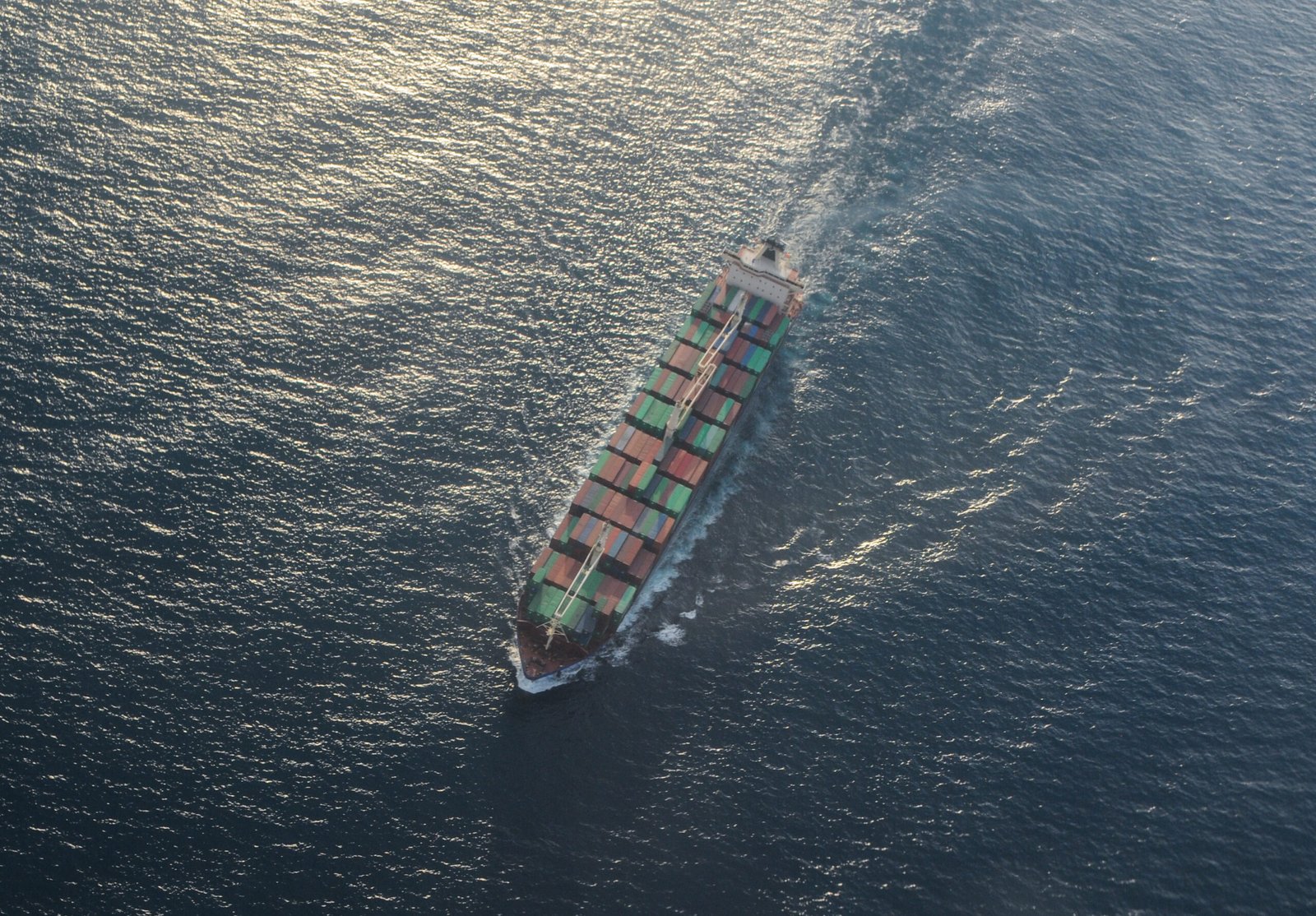
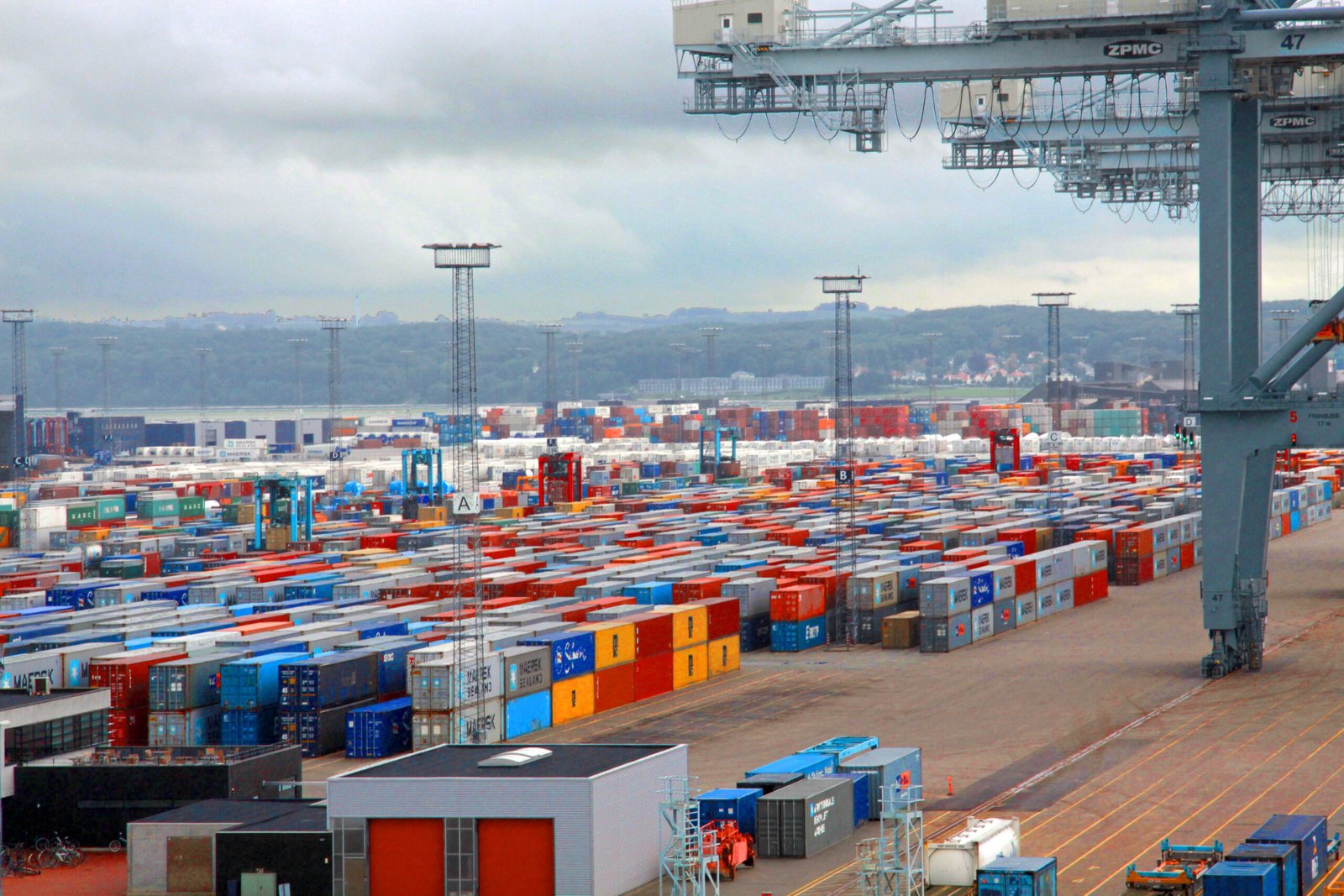
- Freight and customs clearance. Finished stock is containerized and shipped; the manufacturer’s documentation supports customs clearance at the destination port.
Lead time from confirmed order to shipment typically runs 4-8 weeks depending on destination country documentation requirements and packaging format, with sea freight transit adding 2-5 weeks depending on the destination port.
Which Packaging Format Fits Which Export Buyer?
Format choice for export orders follows the same underlying logic as domestic orders, but with a few export-specific wrinkles worth flagging before you commit to a spec:
- Glass bottles are the default choice for UK and Singapore fine-dining and 5-star hospitality import orders, where premium F&B positioning matters more than freight cost — but glass adds meaningfully to shipping weight and breakage risk over a multi-week sea freight transit, so packaging and palletizing specifications need sign-off before the first production run.
- PET bottles remain the most cost-efficient and freight-friendly format for retail chains and corporate/hospitality bulk orders across all four markets, and are the format most import authorities have the most established registration pathways for.
- Aluminum cans are gaining traction with UAE and Singapore buyers targeting premium retail, gyms, and events — the format’s strong recyclability credentials also align well with UK and Singapore ESG-driven procurement policies.
- PLA (plant-based, compostable) bottles are a newer, lower-volume category for export orders, best suited to sustainability-positioned brands in the UK and Singapore markets where compostable packaging carries real brand-perception value, though industrial composting infrastructure to actually process PLA waste varies by destination city.
Buyers sourcing for multiple markets at once — a hospitality group with UAE and UK properties, for instance — often standardize on one primary format (typically PET or glass) for cost predictability, then run a secondary premium format (can or PLA) for a specific property tier or seasonal promotion. [Internal link: link to future post on format comparison for export buyers: aluminum can vs PLA vs glass for premium hospitality]
Documentation Checklist Before You Approach an Import Authority
Regardless of destination country, most first-time import applications stall on the same handful of missing or incomplete documents. Before submitting to ESMA, FSA, SFA, or MOH, confirm your manufacturer can supply:
- ☐ Current ISO 22000 and ISO 9001 certificates (not expired, matching the exact production facility)
- ☐ US FDA facility registration number
- ☐ HACCP certification with the specific hazard-control plan for water bottling
- ☐ Certificate of analysis for the specific batch/lot being shipped (mineral content, pH, TDS, microbiological testing)
- ☐ Certificate of origin (India)
- ☐ Health certificate covering the shipment, issued by the relevant Indian authority
- ☐ Label artwork pre-checked against the destination market’s specific labelling rules (source recognition wording for the UK, fluoride disclosure for Singapore, Arabic/English bilingual labelling for the UAE, Vietnamese-language notarised documentation for Vietnam)
A manufacturer who can produce this full documentation package on request — before you’ve placed an order — is a strong signal they’ve actually shipped export orders before, rather than only talking about export capability.
Why a Pan-India, Multi-Format Manufacturer De-Risks Export Sourcing
International buyers evaluating an Indian private label water supplier face the same risk domestic Indian buyers do, amplified by distance and regulatory unfamiliarity: choosing a manufacturer that can’t actually support the order at scale, in the right format, with the right paperwork. Research into each of the four target markets shows a consistent pattern — the entrenched local brands (Masafi, Highland Spring, Lovearth, La Vie) are closed retail operations with no OEM/private-label route at all, while smaller regional Indian export outfits often lack the full certification stack or packaging-format range to serve a hospitality group or retail chain’s actual specification.
A manufacturer combining pan-India sourcing scale, a complete ISO 22000/ISO 9001/US FDA/HACCP certification stack, and all four packaging formats removes the two most common failure points in a first export order: documentation gaps that stall customs clearance, and format/volume mismatches that force a buyer back to square one mid-negotiation.
Frequently Asked Questions
Can Indian private label mineral water legally be imported into the UAE, UK, Singapore, and Vietnam?
Yes, provided the manufacturer and the importer complete each country’s specific registration process — EQM registration in the UAE, source recognition/FSA compliance in the UK, SFA registration with full documentation in Singapore, and MOH self-declaration under Decree 15/2018 in Vietnam. A manufacturer with ISO 22000, ISO 9001, US FDA, and HACCP certification already holds the documentation baseline each of these processes requires.
What certifications does an Indian water exporter need for these four markets?
ISO 22000 (food safety management), ISO 9001 (quality management), US FDA facility registration, and HACCP are the four certifications that map most directly onto UAE ESMA, UK FSA, Singapore SFA, and Vietnam MOH requirements. FSSAI is the baseline domestic Indian requirement and is expected as a given, not a differentiator, for export buyers.
How long does it take to get private label water import-ready in a new market?
Typically 4-10 weeks depending on the destination country’s specific process — UAE’s EQM registration and Singapore’s SFA process tend to move fastest with complete documentation (4-8 weeks), while UK source-recognition status and Vietnam’s regulatory transition can extend timelines depending on the product’s specific classification.
What packaging formats are available for export orders?
Aluminum can, PET, glass, and PLA bottles, from 200ml to 20L, matching the same format range available domestically — glass is typically preferred for fine-dining/hospitality export orders, PET and cans for retail and events, and PLA for sustainability-positioned brands.
Which entrenched local brands does an imported private label brand compete against in these markets?
Masafi and Al Ain in the UAE, Highland Spring/Radnor Hills/Avalis Glacier Water/Deeside Water in the UK, Lovearth Water in Singapore, and La Vie/Vinh Hao/Aquafina/Dasani in Vietnam — all closed retail brands without an OEM/private-label offering, which is the structural gap an imported private label brand fills.
Ready to explore a private label water export partnership for your market? Get in touch for a free consultation and we’ll walk through certification documentation, packaging formats, and lead times for your specific country.
For the domestic India-focused version of this guide, see Private Label Mineral Water Manufacturer in India: The Complete Guide. And if you’re comparing terminology before you request a quote, our post on Private Label vs. White Label Water Bottles clears up the same confusion international buyers run into. Request a quote to start the conversation on your export order.
Leave a Reply