Start Your Own Water Brand
Pan-India private label mineral water. Low MOQ, fast turnaround, 4 packaging formats.
Private Label Water Manufacturer in Mumbai & Bangalore: Supplying Corporates, Gyms & Hospitality Chains
Mumbai and Bangalore buy more branded water — and buy it differently — than any other two Indian cities. Mumbai concentrates the country’s densest hotel, banquet, and corporate-HQ market into a narrow peninsula; Bangalore pairs India’s largest tech-campus economy with its most active gym and fitness culture. Search for a private label water manufacturer in either city and the results look the same: label-printing shops, traders reselling someone else’s plant, Instagram-first sellers offering 200ml–1L PET, and directory listings quoting a price per bottle with no mineral spec behind it. What is genuinely scarce in both markets is a manufacturer that can hold the same water spec, the same label quality, and the same certification pack across a hotel group with properties in both cities, or a corporate headquartered in BKC with its largest campus in Whitefield.
This guide is written for the people doing that buying — hotel F&B and procurement managers, corporate admin and facilities heads, restaurant and café groups, gym chains, event companies, and D2C founders. It covers what each city actually orders, how single-city bottlers compare with a pan-India manufacturer, and what to demand before signing. The NCR side of the same question is covered separately in our Delhi NCR private label water guide.
Direct answer: a private label water manufacturer in Mumbai or Bangalore fills and labels packaged water under your brand name — for hotel rooms, banquet floors, office pantries, gym floors, or retail shelves. Muscular Monk manufactures Himalayan mineral water — bottled at source, naturally pH 8+, TDS 220–280 ppm — under ISO 22000, ISO 9001, US FDA registration, and HACCP certification, in aluminum can, PET, glass, and PLA formats from 200ml to 20L, supplying 500+ brands across 50+ Indian cities including Mumbai and Bangalore. The practical difference between suppliers is not the price per bottle; it is whether one manufacturer can serve your brand identically in both cities at once — same mineral spec, same label quality, same audit documentation.
What Mumbai Buyers Actually Order
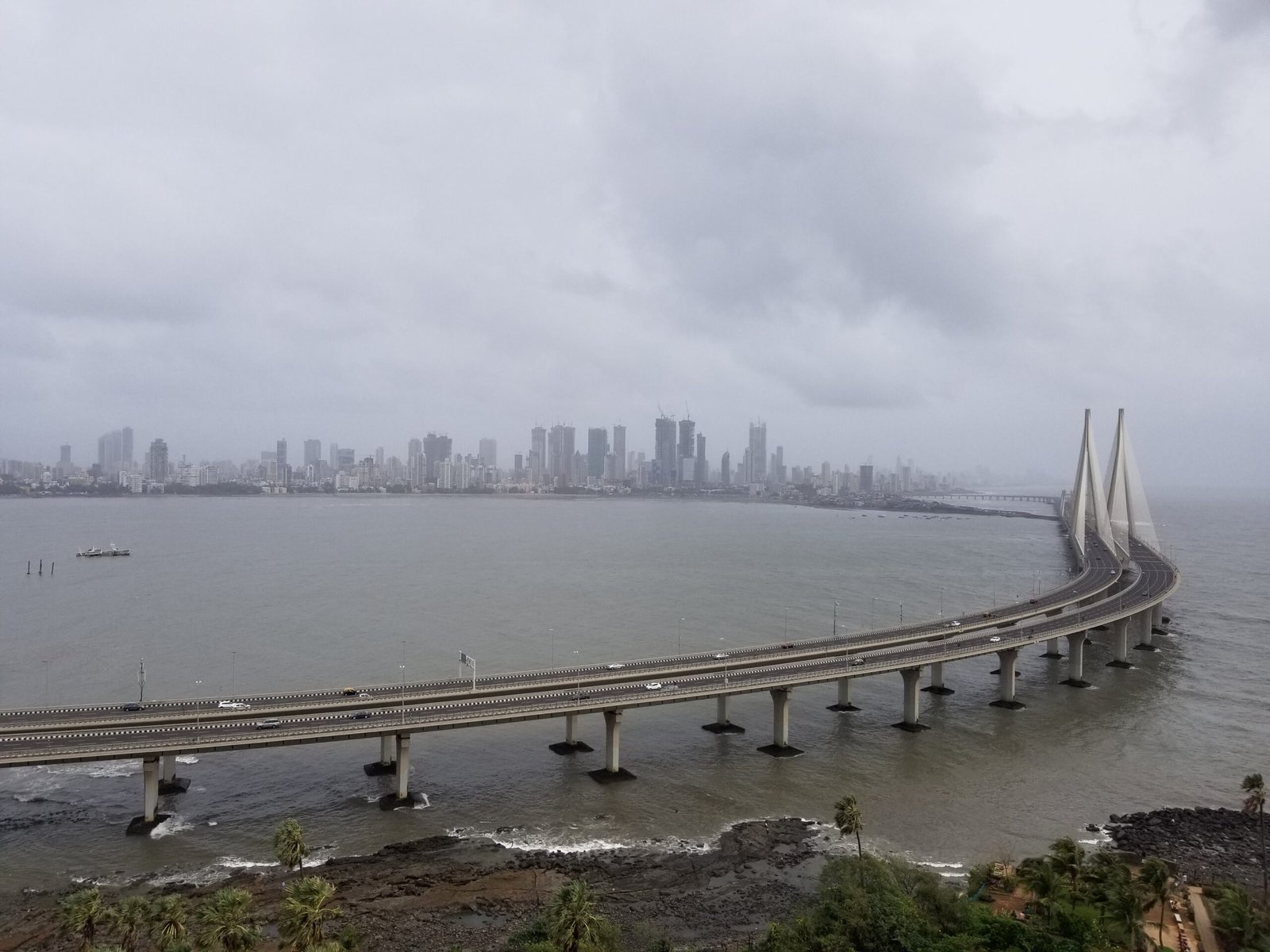
Mumbai’s water demand is hospitality-shaped to a degree no other Indian city matches. The city runs the country’s densest five-star cluster alongside one of its most active banquet and wedding markets, and both buy water as a presentation item, not a utility.
Hotels, banquets, and wedding venues
The hotel belt running from Bandra Kurla Complex through the airport district, the Lower Parel and Worli corporate-hotel corridor, and the Juhu-and-suburbs leisure cluster all buy on guest-facing logic: 500ml and 750ml PET or glass for rooms, 200ml and 250ml for banquet and conference floors that turn tables over dozens of times an hour, and glass 750ml for fine dining. Around them sits the banquet economy — Andheri, Dadar, Powai — where November-to-February wedding demand is a production-planning test: tens of thousands of bottles in a few weeks, without changing the label or the spec mid-season. The full procurement view is in our hotel water procurement guide.
Corporate headquarters and finance
BKC, Lower Parel, Powai, and Andheri’s corporate parks house the India head offices of banks, insurers, FMCG majors, and consulting firms — buyers whose pantry and meeting-room water is a branding surface. The pattern is 20L jars for dispensers plus 1L PET for meeting rooms, with branded or co-branded bottles reserved for board rooms, client walks, and festival gifting. Procurement here is centralised and audit-driven, so documentation quality matters as much as delivery.
Media, film, and event production
Mumbai’s film, advertising, and events economy buys water in bursts — shoot schedules, award nights, exhibitions. Burst demand rewards unbreakable packaging that chills fast, and punishes suppliers whose answer to a surge is a subcontractor nobody vetted.
What Bangalore Buyers Actually Order
Bangalore’s demand is campus-shaped. The buying unit is not a single restaurant — it is a technology campus of several thousand employees, and it buys on recurring schedule and compliance logic.
IT parks and tech campuses
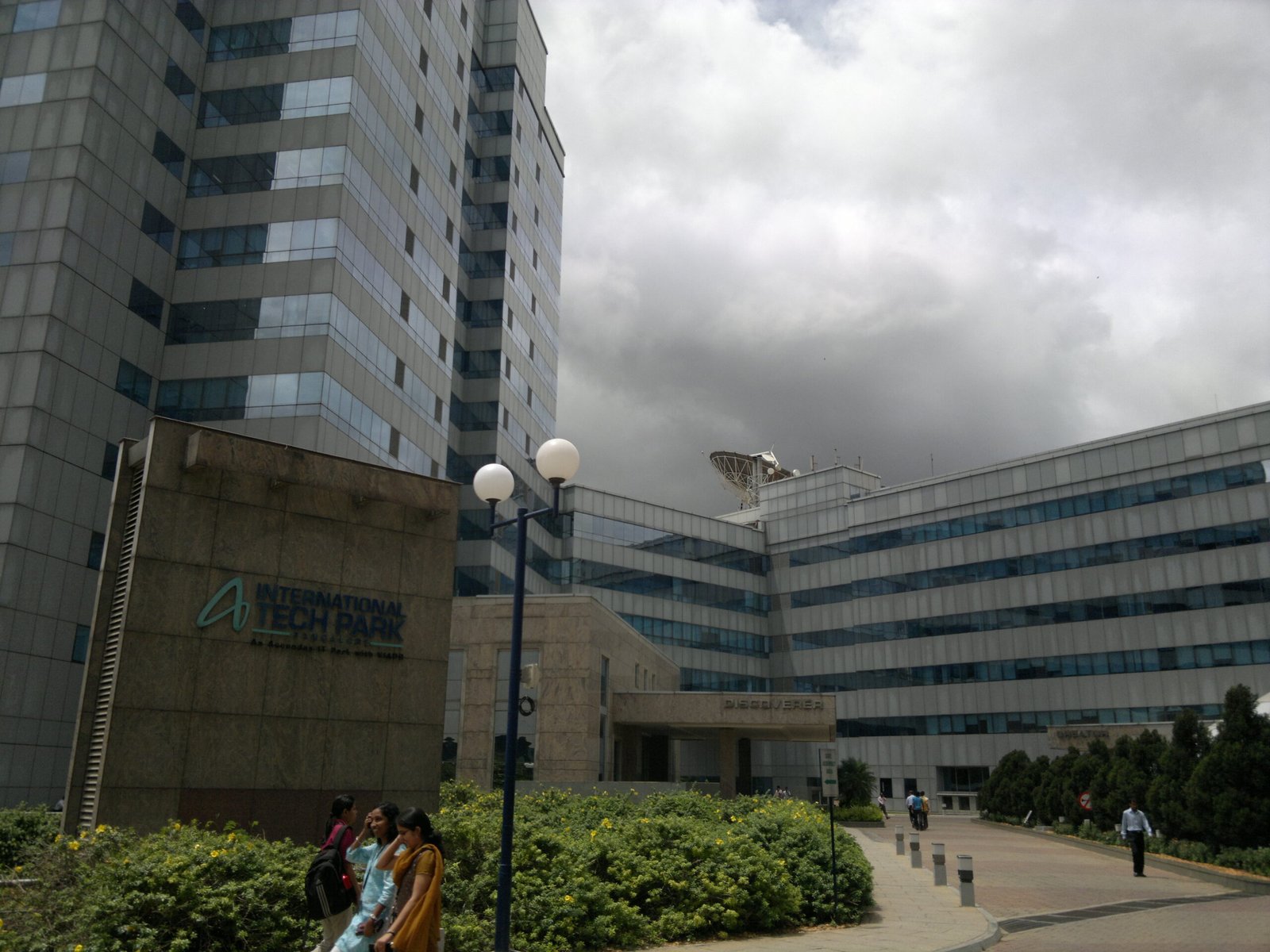
The Whitefield and ITPL corridor, the Outer Ring Road tech stretch, Electronic City, and the Manyata belt in the north concentrate India’s largest concentration of tech campuses. Their pantry demand is 20L jars on a fixed weekly cycle plus 1L and 500ml bottles for meeting rooms, reception, and visitor areas. Because these are global companies with internal ESG and vendor-audit programmes, a water supplier in Bangalore is more likely than almost any other buyer type to ask for certification scopes, lab reports, and audit evidence before onboarding — and to re-check annually. Suppliers whose quality story stops at a statutory licence fail that onboarding.
Startups, coworking, and D2C brands
Indiranagar, Koramangala, HSR Layout, and the coworking floors between them generate a different kind of order: branded water as merchandise and marketing. Product launches, founder events, and co-branded cans are small first orders that grow with the brand — which makes MOQ flexibility and a real artwork approval process the deciding factors.
Gyms and fitness studios
Bangalore’s gym and fitness-studio density is among the country’s highest, and it is the most natural vertical for an alkaline private label brand: the audience is already primed for pH and mineral claims, and 500ml and 1L PET plus aluminum cans fit the floor, the café counter, and the front-desk cooler. Our explainer on pH 8+ alkaline water covers which claims a gym brand can defend on its label and which it cannot.
A Single-City Bottler or a Pan-India Manufacturer?
Both cities have credible local options, and fairness matters: a Bangalore-based private label bottler delivers a genuine end-to-end service — artwork, bottling, labelling, delivery — inside its own city, and Mumbai’s custom-label scene will turn a 500ml PET run around quickly. For a buyer with one site in one city, a local bottler’s distance advantage is real.
The limits show up the moment the footprint grows — and in these two cities it usually does. A single-city bottler typically runs a narrow format range (mostly PET, 200ml–1L), one plant’s capacity ceiling, a certification file that stops at the statutory minimum, and no way to serve the same brand’s other locations. A hotel group with Mumbai and Bengaluru properties ends up signing separate contracts with separate specs and separate quality files; a pan-India manufacturer replaces that patchwork with one specification, one artwork approval, and one certification pack governing every site.
| What you are buying | Single-city bottler (Mumbai or Bangalore) | National retail water brand | Pan-India private label manufacturer |
|---|---|---|---|
| Your brand on the bottle | Yes | No — they sell only their own label | Yes, full private label |
| Format range | Usually PET only, 200ml–1L | Fixed retail SKUs | Can, PET, glass, PLA — 200ml to 20L |
| Coverage across both cities | One city only | Both, but never under your brand | Both, plus 50+ other cities, one contract |
| Certification depth | Often statutory licence only | Deep, but not available to you | ISO 22000, ISO 9001, US FDA, HACCP |
| Wedding-season / event-burst capacity | Single-plant limited | Not applicable | Multi-plant capacity planning |
| Export readiness | Rarely | Own-brand exports only | Yes — see our export guide |
One documentation check worth doing in both cities: several local suppliers still present “BIS certified, IS 14543” as their headline credential. FSSAI has gazette-notified the omission of the provision making BIS certification mandatory for packaged drinking water and mineral water, replacing it with a compulsory Scheme of Testing for licensed water businesses from 1 January 2026. A supplier leading with an ISI mark is telling you its quality story has not been updated. What to ask for instead is in our guide to ISO, US FDA, and HACCP certification for water suppliers.
“Between a BKC ballroom and a Whitefield campus, the cheapest thing you can buy is a quote. The expensive thing is the same bottle, same spec, and same audit file showing up in both cities.”
Matching the Format to the Buyer
Most oversized water budgets come from one mistake: standardising the whole operation on a single SKU to simplify purchasing. The format mix, not the unit price, is where the money moves. This is the mapping that works in practice:
| Use case | Format that works | Why |
|---|---|---|
| Banquet, wedding, conference (Mumbai-heavy) | 200ml / 250ml PET or can | High turnover, low waste per cover, easy clearing between courses |
| Hotel guest rooms | 500ml / 750ml PET; glass for premium tiers | Guest-facing, label read at leisure, matches the property’s price positioning |
| Fine dining, à la carte | Glass 750ml / 1L | Table-side presentation that matches the cover price |
| Tech-campus pantry (Bangalore-heavy) | 20L jar plus 1L PET | Jars for dispensers on a weekly cycle, bottles for meeting rooms and reception |
| Gyms and fitness studios | 500ml / 1L PET, aluminum can for on-floor | Resealable, unbreakable, fits cup holders and front-desk coolers |
| Product launches, media, events | Aluminum can, 500ml PET | Fast chill, no glass-breakage risk, carries a design-forward label |
| ESG-led corporates and eco-positioned brands | PLA bottle, aluminum can | A packaging story that survives a procurement or ESG audit |
What Buyers in Mumbai & Bangalore Should Demand Before Signing
Both markets reward the same discipline: put the documentation requirements into the RFQ so every supplier answers the same questions, then verify the answers.
- The FSSAI licence number, category, and the address it covers. The licence should map to the plant that actually fills your bottles, not to a sales office.
- Certification scopes, not logos. ISO 22000 and ISO 9001 certificates with numbers and the certified site named on them, plus HACCP and US FDA facility registration if export is anywhere on your roadmap. Verify at least one certificate number on the certifying body’s website.
- Current accredited-lab test reports. pH, TDS, microbiology, and chemistry from a NABL or ISO/IEC 17025-accredited lab, dated within twelve months — this is what makes “alkaline” and “mineral” claims on your label defensible.
- A written dispatch SLA per site. A committed window per location in Mumbai and per campus in Bangalore, plus what happens when a site orders outside it.
- Artwork and label ownership terms. Who proofs the label, how many revisions are included, who owns the print plates, and how a redesign is handled mid-contract.
- Peak and burst capacity in writing. Mumbai: volume reserved for your label in the November–February wedding season. Bangalore: event-surge and campus-scale weekly capability.
- One contract for a multi-city footprint. If your brand operates in both cities — or plans to — insist on a single supply agreement covering both. The structured version of this vetting process is in our 8-point vendor checklist.
How Muscular Monk Supplies Mumbai and Bangalore
Muscular Monk’s model is deliberately not a local-bottler model. The water is Himalayan mineral water, bottled at source — naturally pH 8+ with a TDS of 220–280 ppm — and the manufacturing and certification system is built to serve one brand across many cities rather than one neighbourhood. For buyers in these two cities that means four things in practice:
- One spec across both cities. The same source, mineral profile, and label quality for a Lower Parel boardroom and a Whitefield pantry — so a client who drinks your water in Mumbai meets the identical product in Bangalore.
- Every format from one supplier. 200ml to 20L across aluminum can, PET, glass, and PLA — banquet, rooms, fine dining, campus pantry, gym floor, and event stock consolidated on one contract instead of four vendors.
- An audit-ready certification pack. ISO 22000, ISO 9001, US FDA registration, and HACCP, with scopes and current lab reports your compliance or ESG team can actually verify — the pack that gets a supplier through tech-campus and hotel-group onboarding.
- Track record at both cities’ scale. 500+ brands supplied across 50+ Indian cities, including the hospitality, corporate, and institutional buyers concentrated in these two cities.
And because Mumbai in particular is export-minded — hospitality groups and consumer brands running Dubai and UK programmes alongside domestic supply — the same plant and certification stack support export orders. Our complete guide to private label mineral water manufacturing in India covers the model end to end.
Frequently Asked Questions
Do you supply private label water in Mumbai and Bangalore?
Yes. Muscular Monk supplies private label mineral water to hotels, corporates, tech campuses, restaurant groups, gyms, and event buyers across Mumbai, Thane, and Navi Mumbai, and across Bangalore from Whitefield to Electronic City, as part of a pan-India footprint covering 50+ cities.
Can one contract cover both Mumbai and Bangalore?
Yes — that is the core of the pan-India model. A brand with locations in both cities signs one supply agreement, approves one label, and receives the same mineral spec and certification documentation at every site, instead of separate vendors with separate specs in each city.
What is the minimum order quantity for branded water?
MOQ depends on format and label print run rather than a single flat number — a 200ml banquet PET run and a glass fine-dining run have different economics. Ask for an MOQ quote against your actual monthly volume, site count, and format mix.
Can I get glass bottles for a fine-dining restaurant or premium hotel rooms?
Yes — glass is one of four formats Muscular Monk manufactures, alongside aluminum can, PET, and PLA. The same certified plant and the same mineral spec apply across formats, so presentation does not come at the cost of the quality file behind it.
How quickly can orders be delivered to Mumbai or Bangalore?
Timing depends on format, volume, and whether the label is already approved and in production. A first order includes artwork proofing and a print run; repeat orders move on a scheduled replenishment cycle. Ask for a written dispatch SLA per location and a peak-season capacity commitment.
Which certifications should a private label water supplier in India hold?
At minimum a valid FSSAI licence for the manufacturing activity plus current accredited-lab test reports. For any buyer with an audit programme or an export plan, the working baseline is ISO 22000 for food safety, ISO 9001 for quality management, HACCP for hazard control, and US FDA facility registration — each verifiable by certificate number.
The Bottom Line for Mumbai & Bangalore Buyers
Mumbai will always have more banquet covers and Bangalore more campuses per square kilometre than anywhere else in India — which is exactly why both markets expose thin suppliers fastest. The buyers who get this right specify by use case rather than by bottle size, put certification and test-report requirements into the RFQ, and choose a manufacturer whose spec will not change the day their footprint does.
Muscular Monk’s Himalayan mineral water is bottled at source with a natural pH of 8+ and TDS of 220–280 ppm, under ISO 22000, ISO 9001, US FDA registration, and HACCP certification, across can, PET, glass, and PLA formats from 200ml to 20L, for 500+ brands across 50+ Indian cities and export markets. Request a quote for Mumbai or Bangalore with your site list and monthly volumes, ask for free samples in the formats you are considering, or talk to our team about a two-city private label programme.
Leave a Reply